


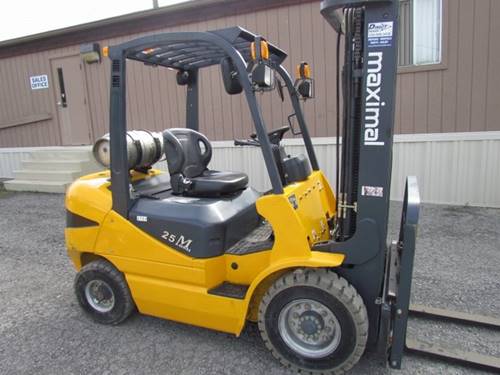
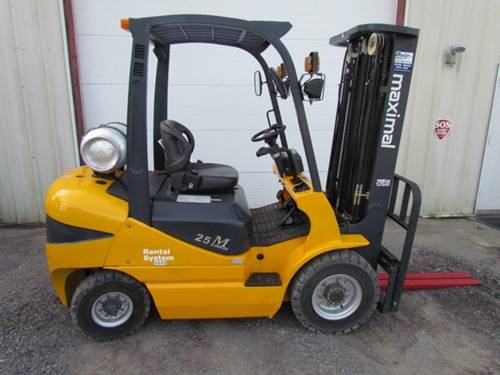
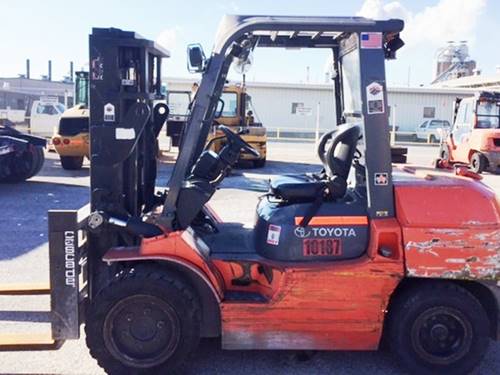
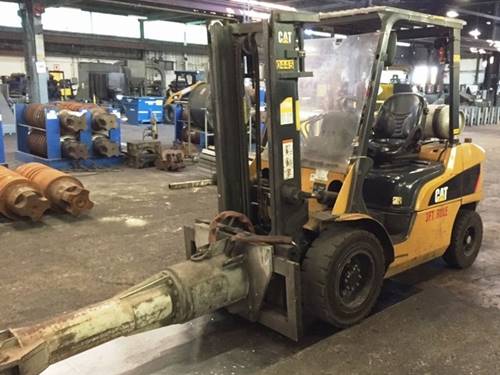
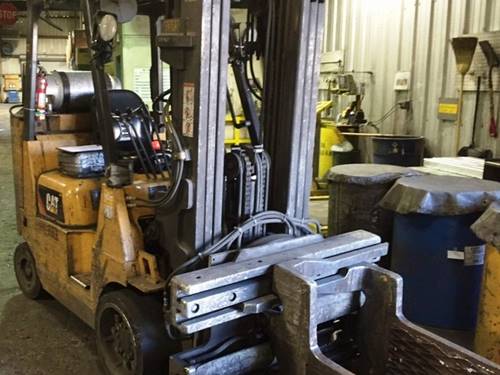
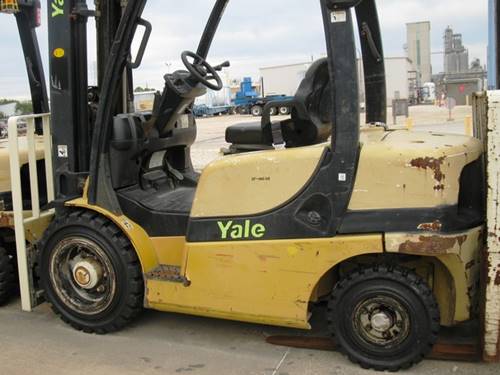
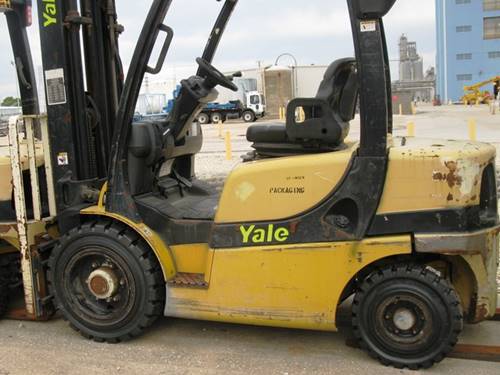
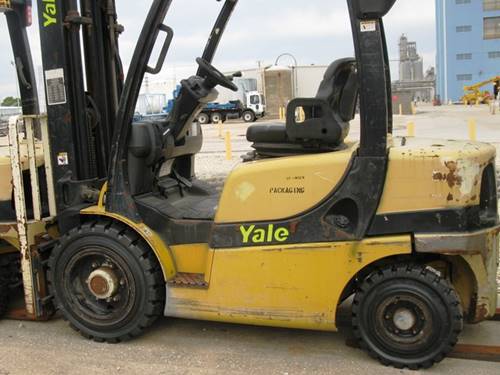
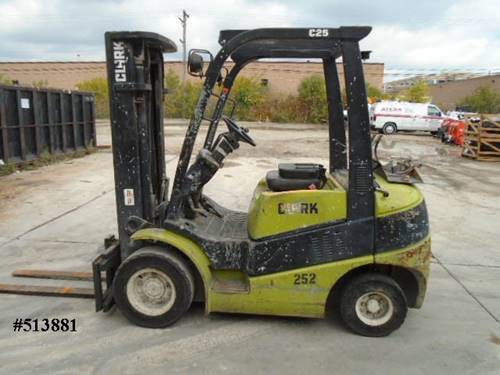
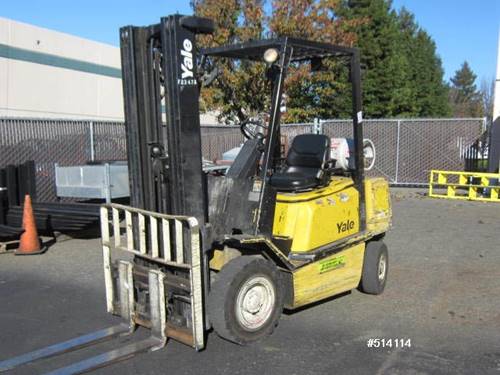
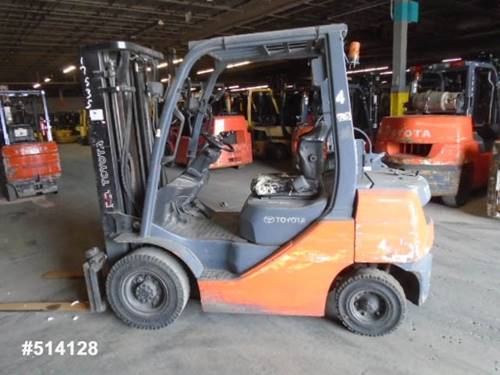
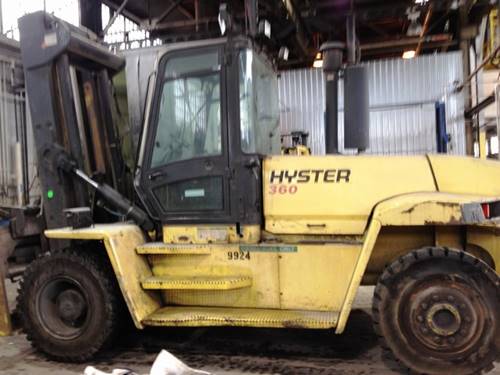
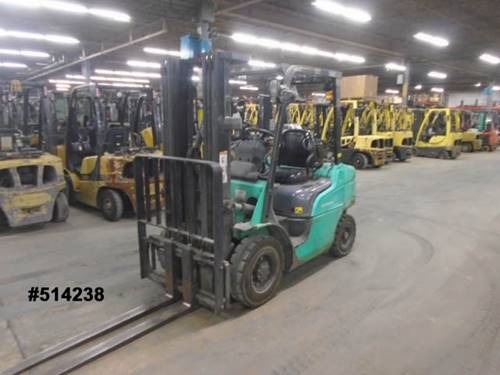
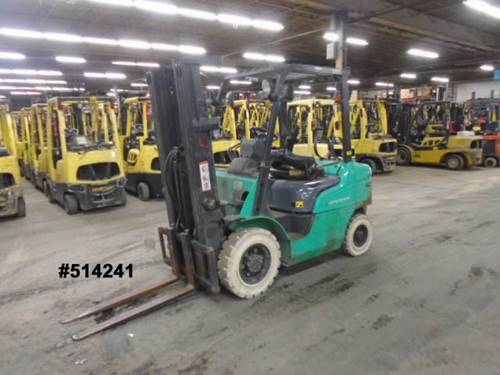
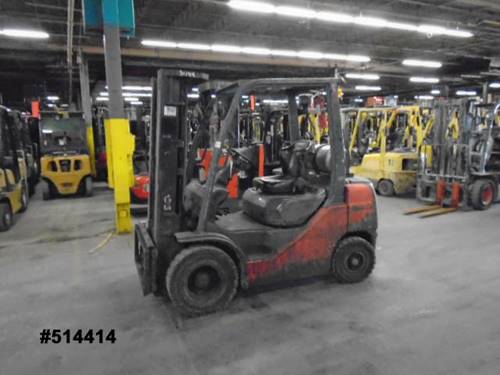
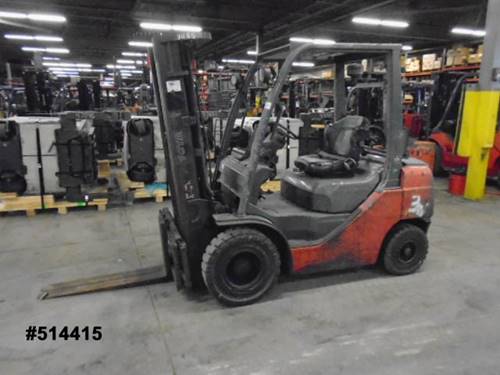
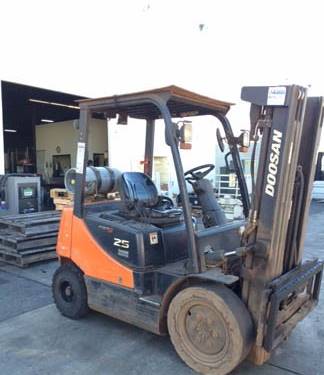
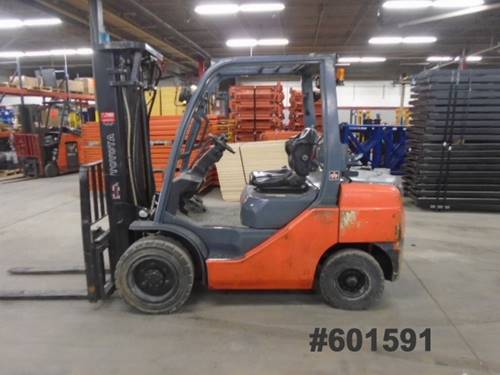
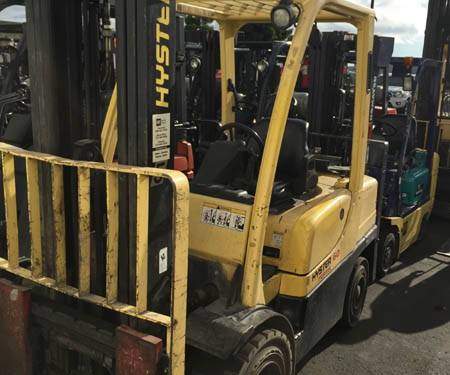
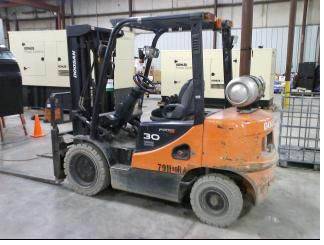
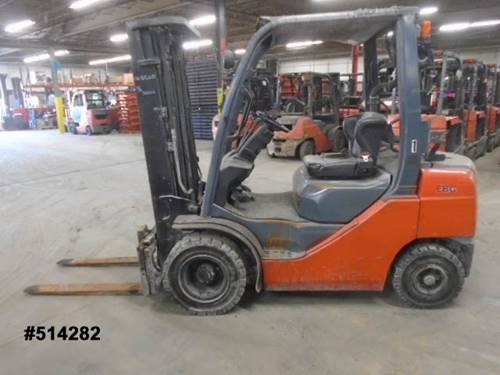
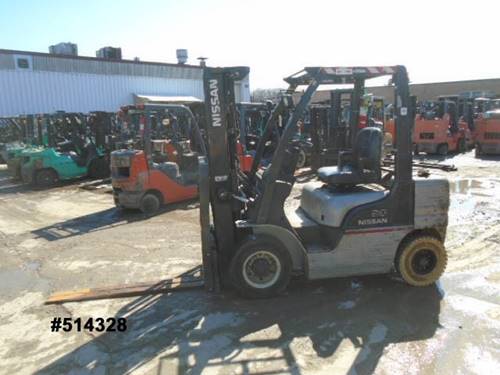
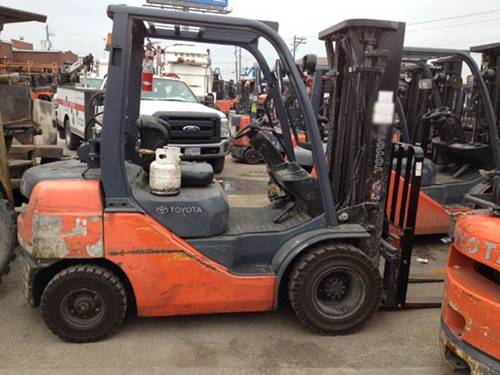
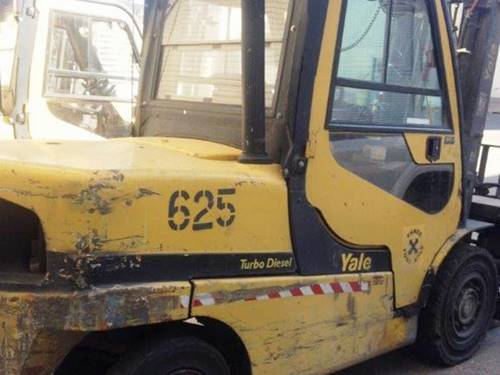
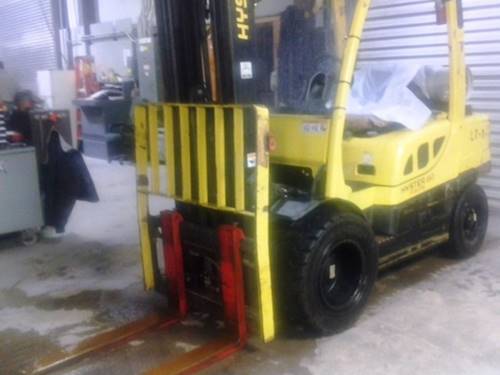
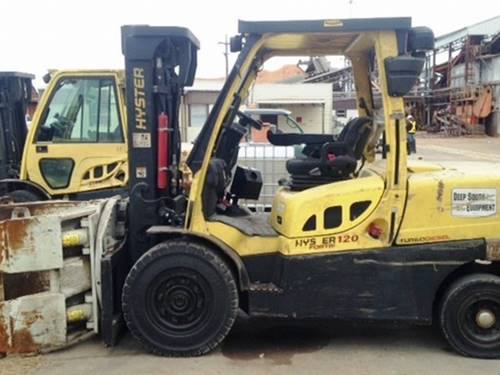
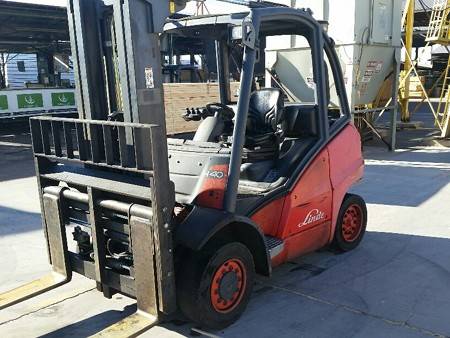
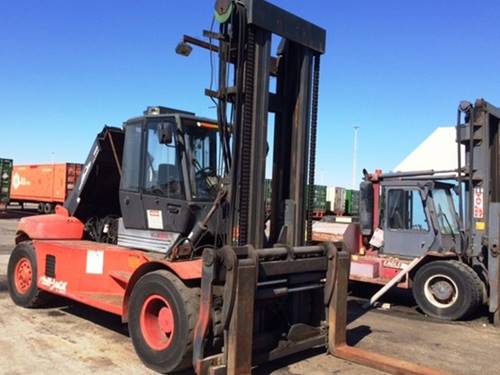
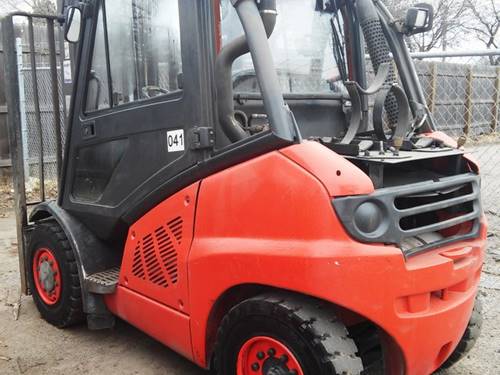
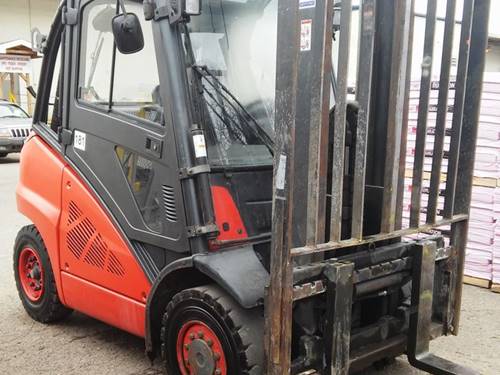
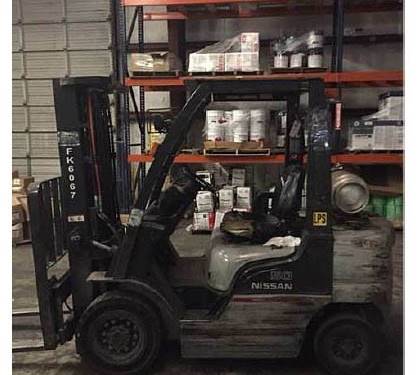
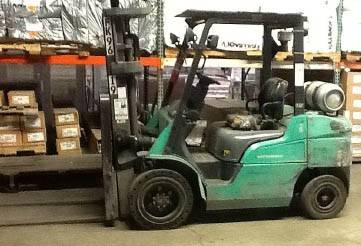
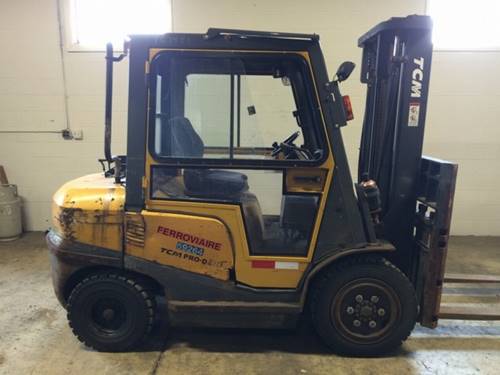
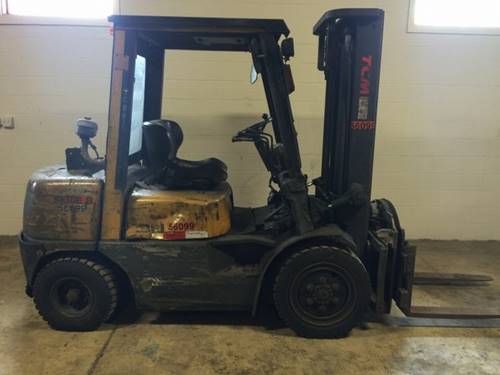
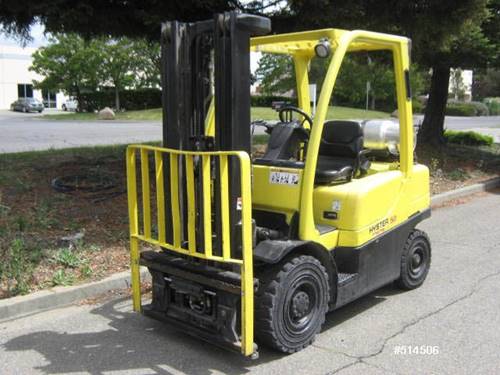
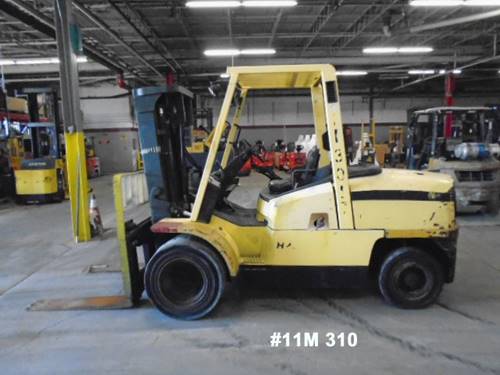
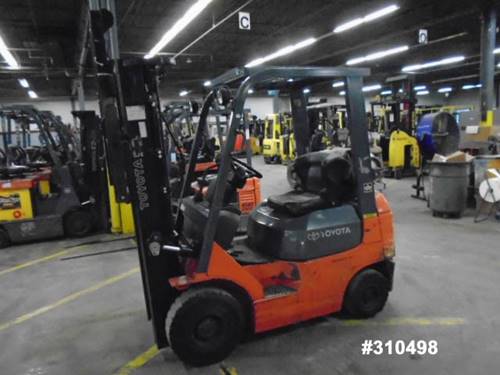
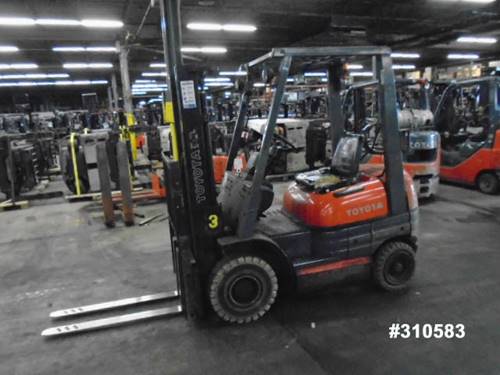
Pneumatic tire forklifts offer excellent stability and traction on rough and uneven surfaces, making them ideal for outdoor applications. Their design allows for better shock absorption, resulting in a smoother ride and less strain on the operator. Additionally, the sit-down configuration enhances operator comfort and productivity during long shifts.
The load capacity of a Pneumatic Tire 4 Wheel Sit Down Forklift typically ranges from 3,000 to 15,000 pounds, depending on the model and specifications. It is important to choose the right forklift based on the weight of the loads you need to handle to ensure safety and efficiency.
Routine maintenance for a Pneumatic Tire Forklift includes regular inspections of tire pressure, hydraulic fluid levels, and brake systems. It's essential to check the condition of the tires, as they can wear down over time. Additionally, schedule periodic servicing for the engine and transmission to prevent mechanical issues and ensure long-term reliability.
While Pneumatic Tire Forklifts are primarily designed for outdoor use, they can be used indoors if the flooring is suitable and well-maintained. However, operators should consider switching to cushion tire models for indoor applications, as they typically offer better maneuverability and reduced risk of floor damage in confined spaces.
The maximum lifting capacity of a forklift typically ranges from 3,000 lbs to 80,000 lbs, depending on the model and specifications. It's important to check the manufacturer's guidelines to ensure safe handling of loads that match the forklift's rated capacity.
There are several types of forklifts available, including electric forklifts, internal combustion forklifts (gasoline, diesel, or propane), narrow aisle forklifts, and rough terrain forklifts. Each type is designed for specific applications and environments, so it's crucial to choose the right one based on your material handling needs.
Regular maintenance is key to prolonging the life of a forklift. This includes daily checks of fluid levels, inspecting tires for wear, ensuring safety equipment is functioning, and following a scheduled service interval for more in-depth mechanical checks. Always refer to the manufacturer's maintenance guidelines for best practices.
When purchasing a forklift, look for safety features such as an anti-tip mechanism, load backrest extensions, seat belts, and clear visibility from the operator's seat. Additionally, consider models that include alarms for overloading and lights for better visibility in low-light conditions.
Your location is Ashburn, VA. Modify