

An Internal Combustion Sideloader (Bi-Directional) is a specialized type of forklift designed to handle long loads in tight spaces, making it an essential tool for industries such as manufacturing, warehousing, and distribution. Unlike traditional forklifts that lift loads from the front, sideloaders are equipped with forks that protrude from the side, allowing operators to maneuver in narrow aisles and transport lengthy materials—such as lumber or steel beams—without the risk of damage. The bi-directional capability means these forklifts can travel and operate effectively in both directions, maximizing efficiency and space utilization. Popular types of internal combustion sideloaders include those powered by diesel or propane, each providing a balance of power and operational costs. When considering a purchase, key factors include load capacity, lift height, turning radius, and the specific environment of use, such as indoor or outdoor operations. Overall, the internal combustion sideloader's unique design makes it invaluable for efficiently managing heavy and unwieldy materials in various industrial contexts.



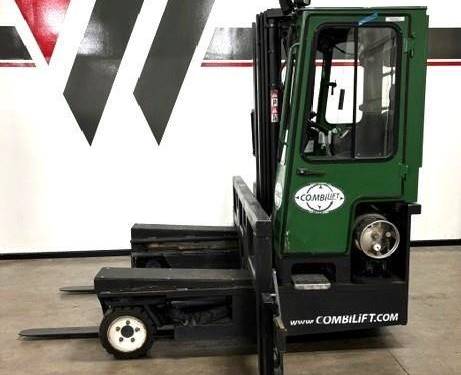
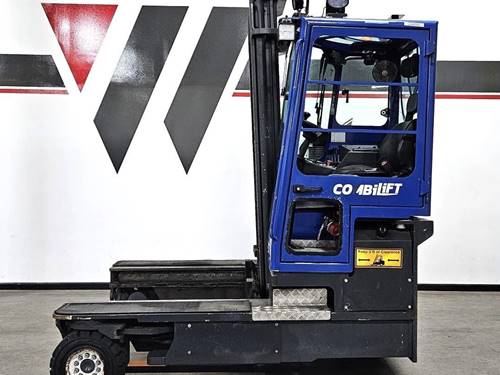


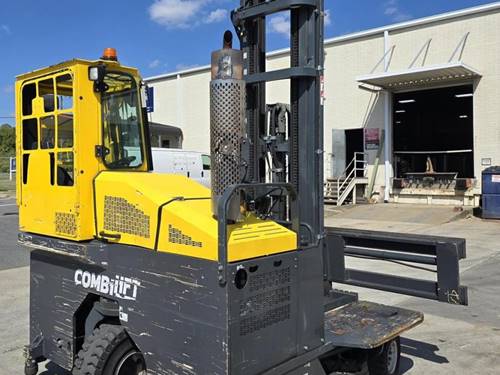
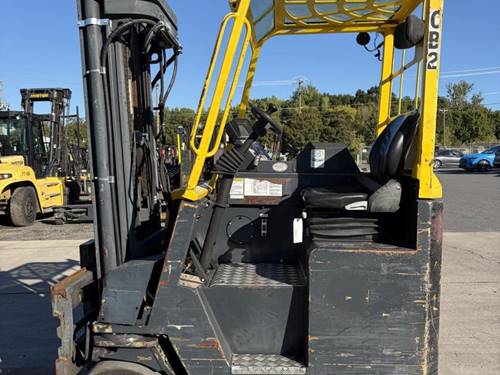
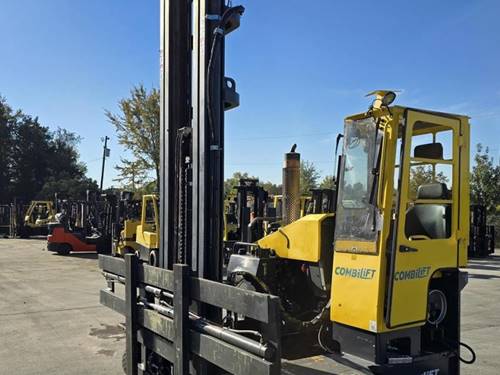


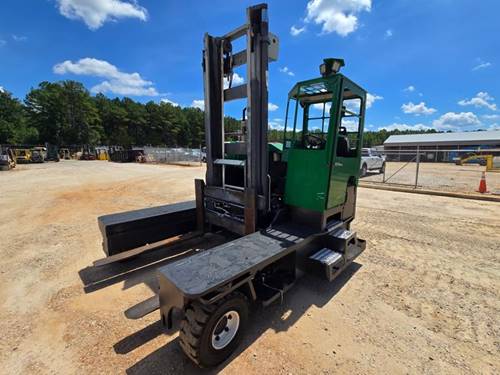
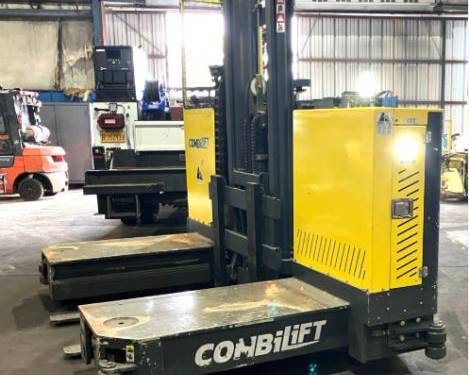

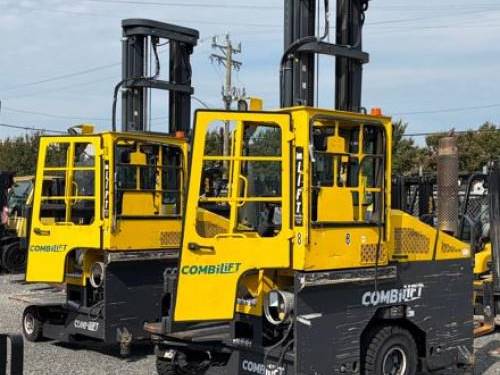
An Internal Combustion Sideloader is a specialized type of forklift designed for handling long and bulky loads in narrow spaces. Unlike standard forklifts, which lift loads from the front, sideloaders pick up loads from the side, allowing for better maneuverability in confined areas. This design is particularly beneficial in warehouses and manufacturing settings where space is limited.
The Bi-Directional feature allows the operator to drive in either direction without having to turn the unit around, enhancing efficiency and reducing the time spent maneuvering. This capability is ideal for tight spaces, as it minimizes the need for additional maneuvering and improves productivity when handling long loads.
Internal Combustion Sideloaders are best suited for long, flat, and heavy loads such as steel, lumber, and concrete blocks. Their side-loading capability allows for safe and effective handling of these materials without the risk of tipping or damaging the load, which is a common challenge with standard forklifts.
Regular maintenance for an Internal Combustion Sideloader includes checking and changing the oil, inspecting the hydraulic system, monitoring tire wear, and ensuring all safety features are functional. It's essential to follow the manufacturer's maintenance schedule to prolong the lifespan of the equipment and ensure safe operation.
Your location is Columbus, OH. Modify


 Equipment

Copyright ©2026 Eliftruck.com, Inc.
TEL: +1 (800) 867-3675
FAX: +1 (208) 330-5961
INT’L: +1 (630) 759-4799

