


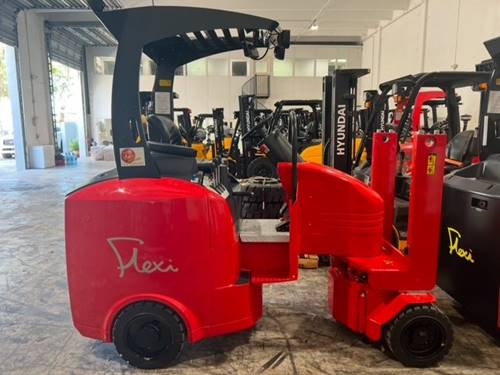
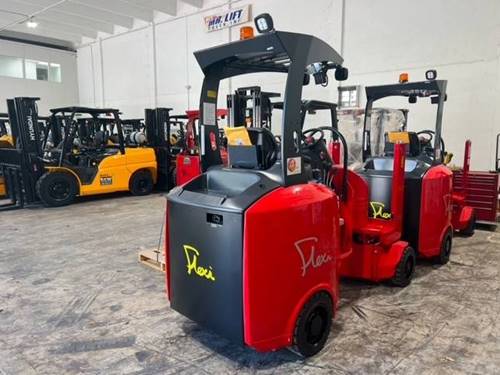
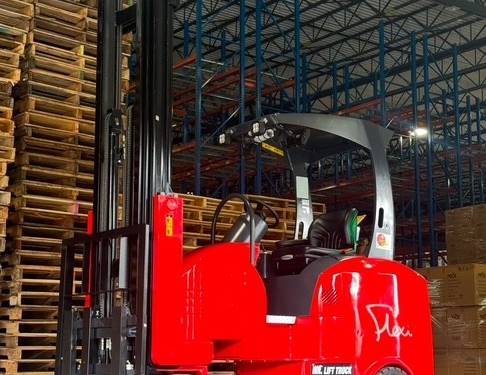
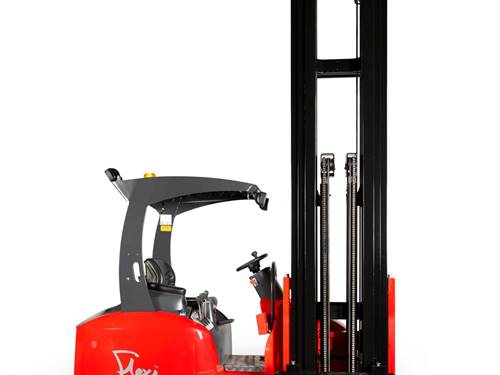
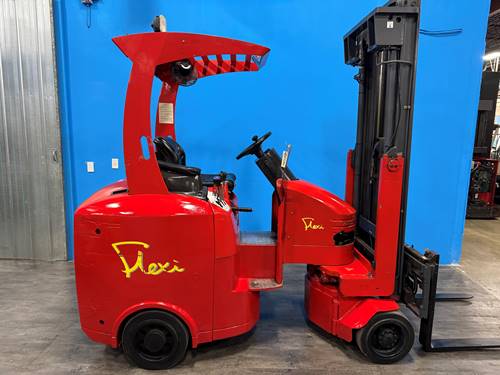
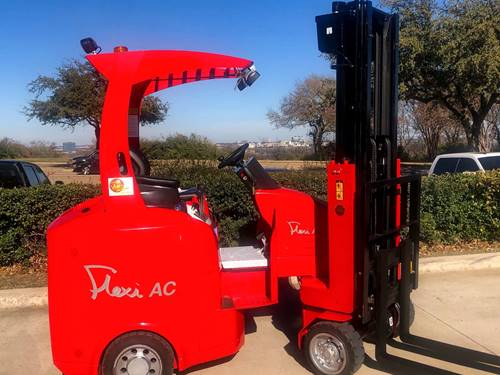
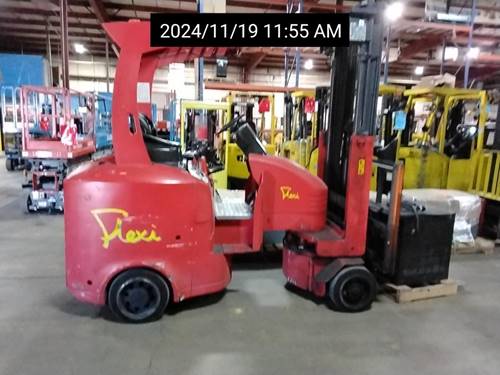
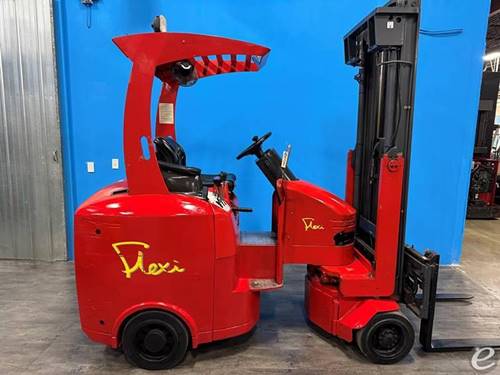
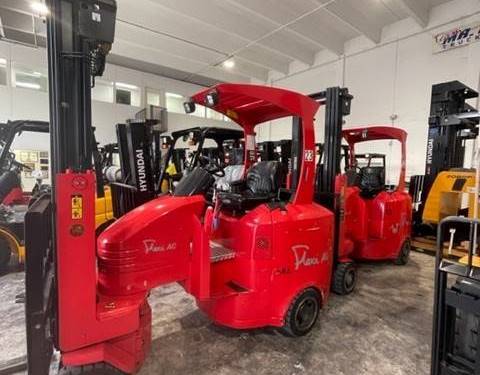
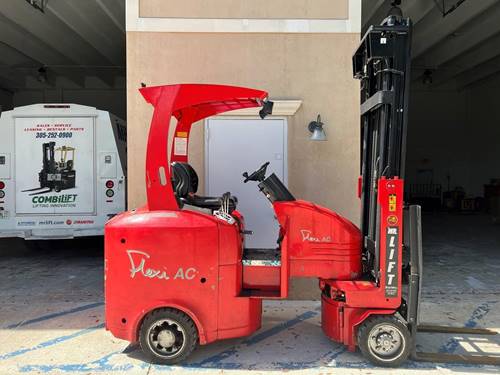
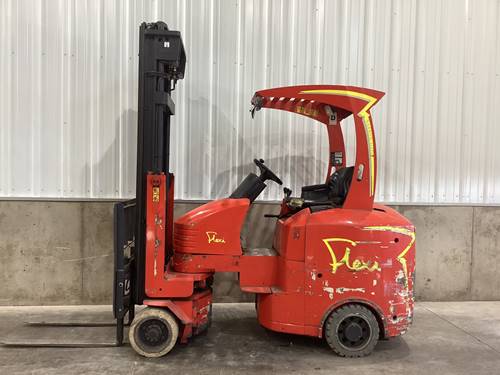
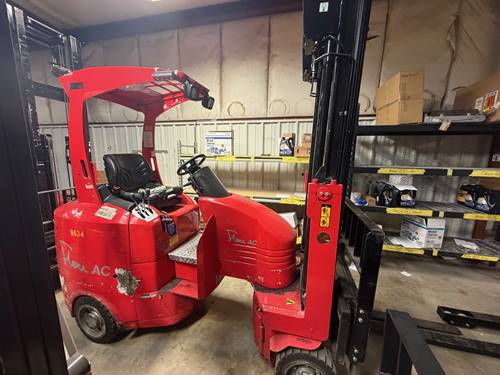
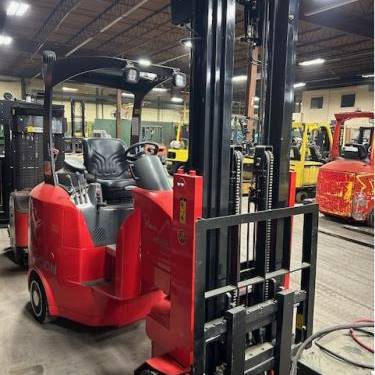
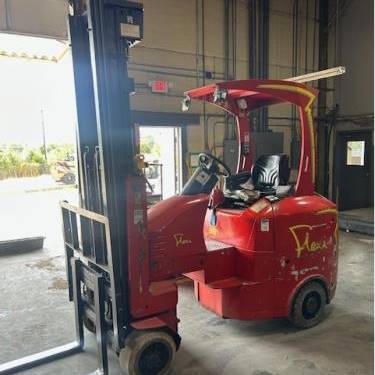
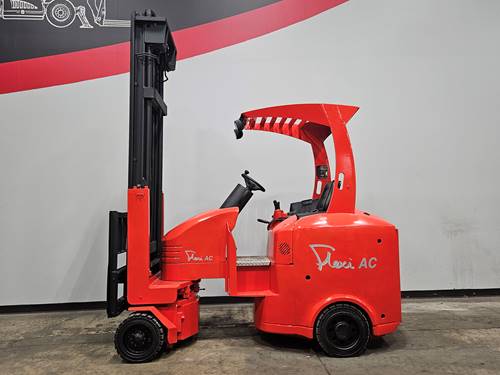
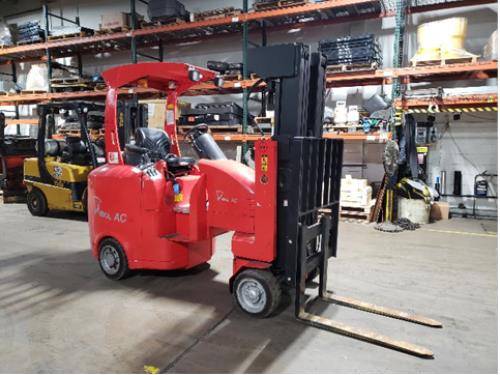
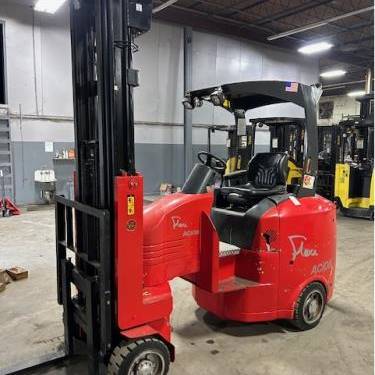
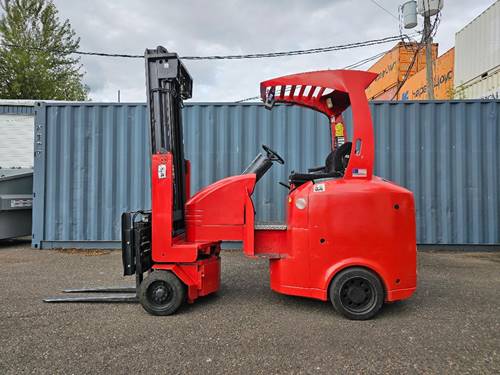
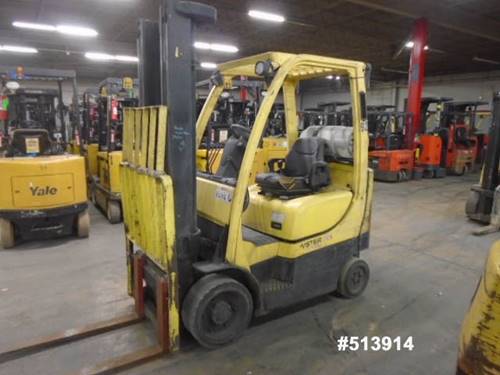
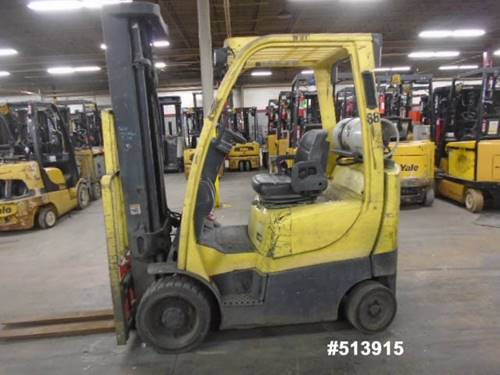
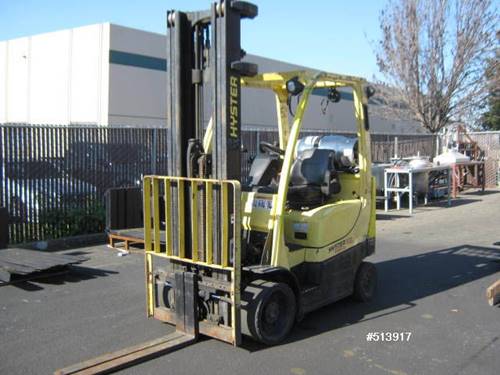
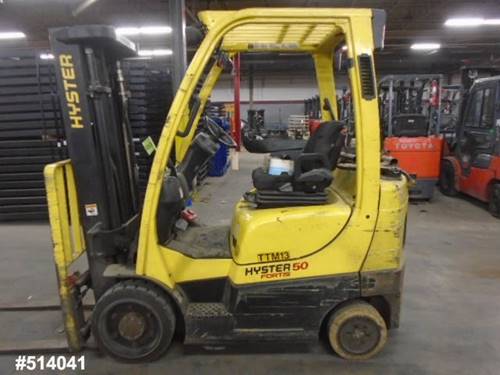
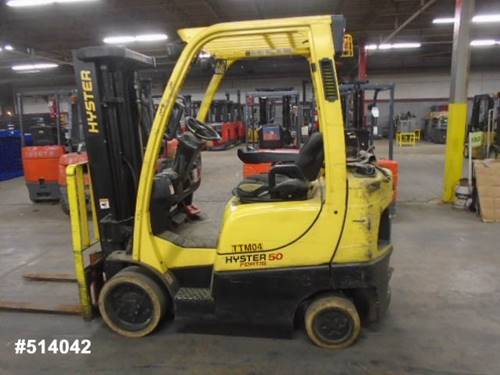
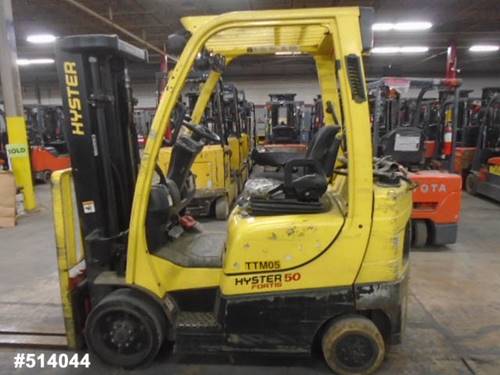
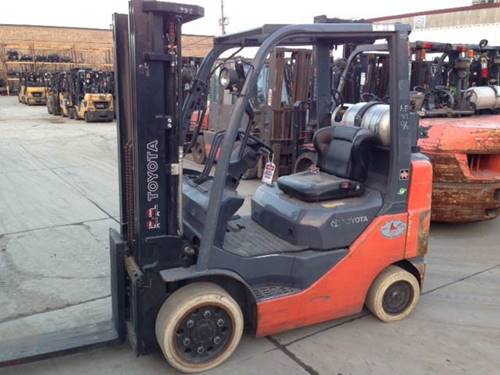
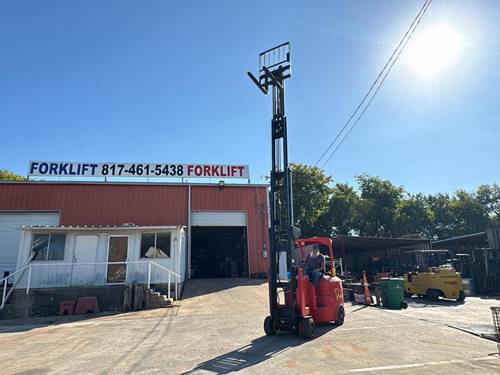
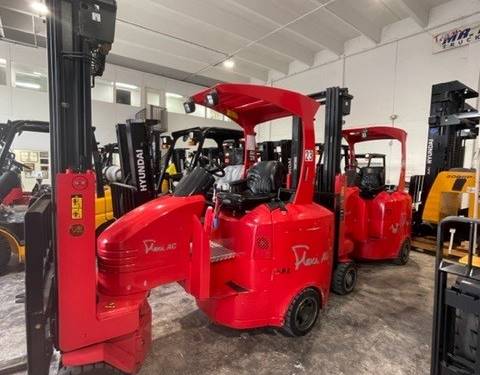
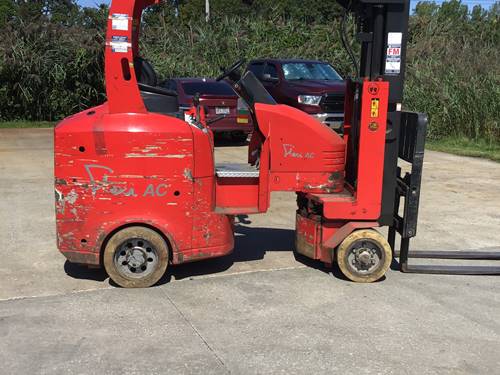
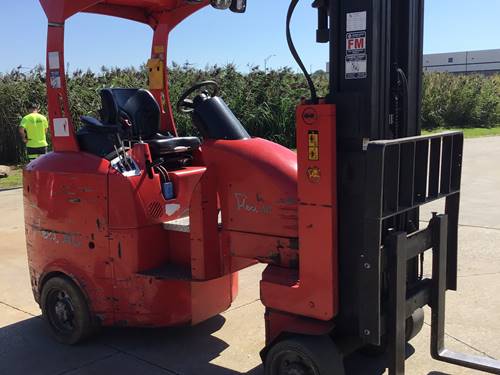
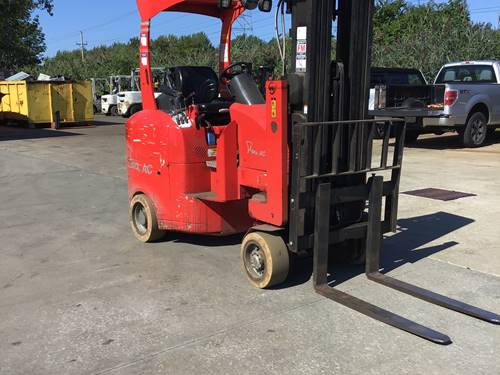
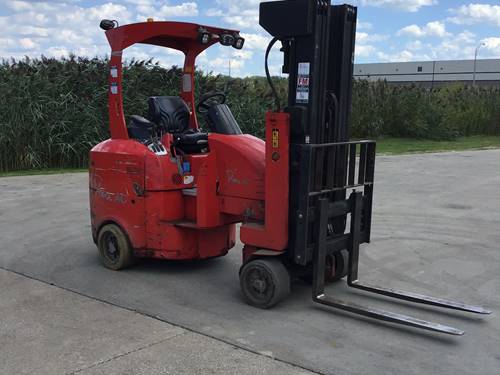
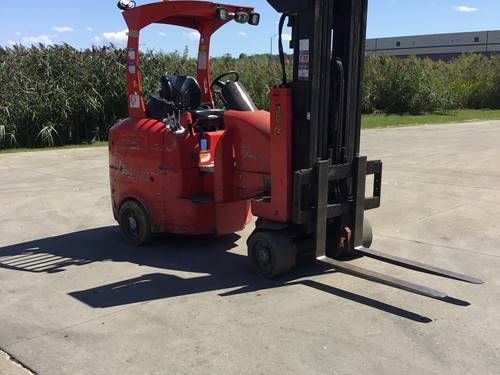
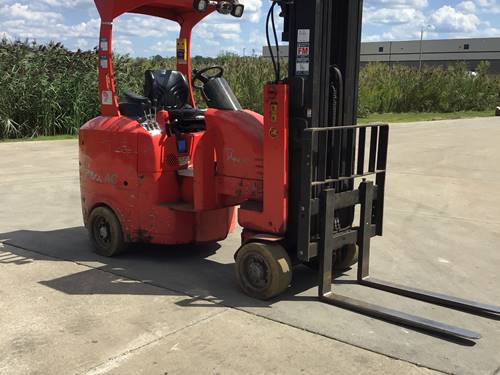
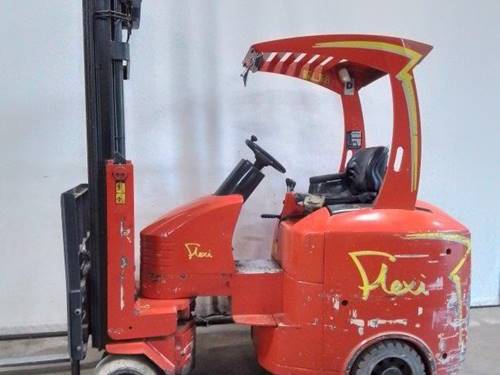
The Flexi 20S forklift is designed for a variety of applications, particularly in narrow aisle and tight space environments. This articulated 4-wheel sit-down model is well-suited for warehousing, distribution centers, and manufacturing facilities where flexibility and maneuverability are essential. Its ability to operate effectively in confined spaces makes it ideal for racking systems and loading docks.
The Flexi 20S forklift can be powered by either gas or electricity, providing flexibility based on the specific needs of your operation. Gas-powered units offer the advantage of longer run times and are typically suited for outdoor use where heavy loads and moving between locations are common. Electric models, on the other hand, are quieter and produce no emissions, making them a better choice for indoor environments where air quality is a concern. Choosing the right power source can significantly impact the operational costs and efficiency of your forklift usage.
The Flexi 20S is equipped with several safety features designed to enhance operator protection and reduce the risk of accidents. These include an ergonomic operator seat with a safety belt, a load backrest to prevent items from falling, and visibility enhancements such as a clear view mast. Additionally, the forklift is fitted with visibility lights and horns to signal movement to pedestrians. Regular safety checks and maintenance are also critical in ensuring ongoing safety performance.
The Flexi 20S forklift has a robust lifting capacity, typically ranging around 2,500 to 3,500 pounds depending on the specific configuration and options chosen. This makes it an effective solution for handling a variety of loads, from pallets to larger items, in a wide range of applications. It’s important to verify the lifting capacity based on your specific needs to ensure safety and efficiency during operations.
Maintenance requirements for the Flexi 20S vary depending on whether you choose the gas or electric model. Gas models generally require more frequent attention to the engine and fuel systems, including oil changes and checking fuel lines. Conversely, electric models may necessitate regular battery maintenance, including charging cycles and ensuring proper water levels in lead-acid batteries. Both models should adhere to routine inspections and maintenance schedules to ensure optimal performance and longevity.
Your location is Columbus, OH. Modify


 Equipment
Copyright ©2026 Eliftruck.com, Inc.
TEL: +1 (800) 867-3675
FAX: +1 (208) 330-5961
INT’L: +1 (630) 759-4799

