
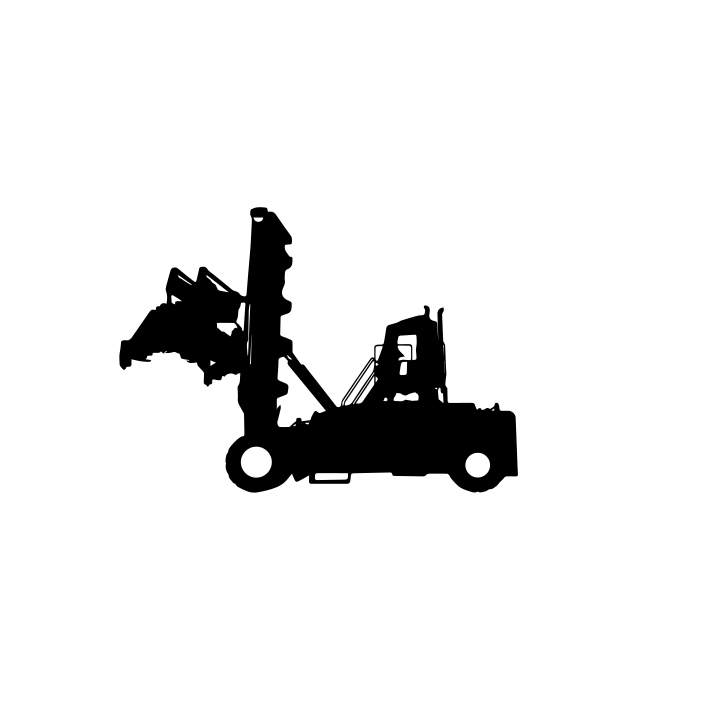
 A container handler is a specialized piece of equipment used in the material handling industry for managing and transporting large intermodal containers, typically seen in ports, shipping yards, and warehouses. These machines are designed to lift, move, and stack containers efficiently and safely, optimizing the flow of goods in logistics operations. Container handlers often come in two main types: reach stackers, which offer flexibility and versatility in stacking containers up to several rows high, and heavy-duty forklifts, which are used for lower stacking and shorter transportation tasks. With robust lifting capacities and precise control systems, container handlers are essential for operations that require the frequent movement of containers, facilitating efficient loading, unloading, and organization in large-scale shipping and distribution environments.

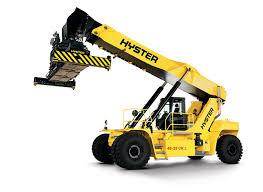
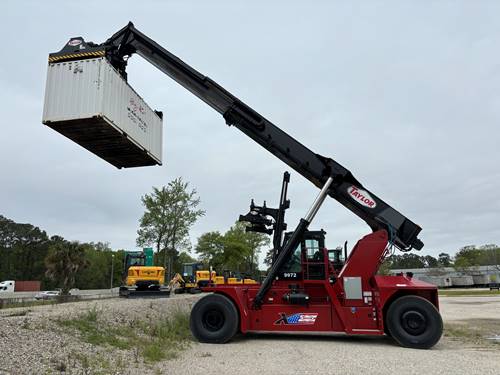
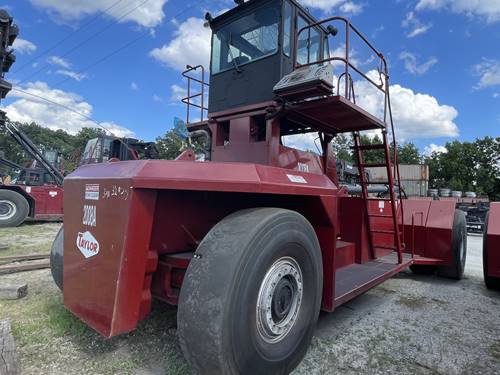
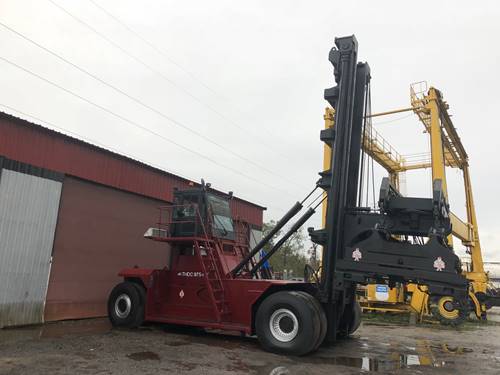
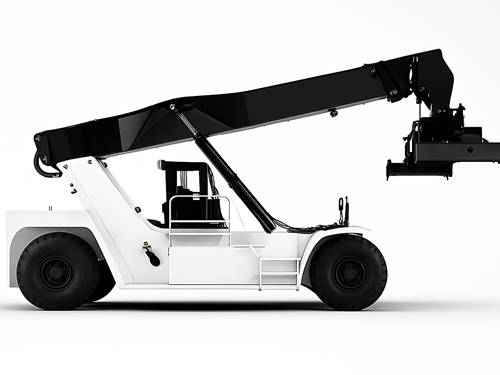
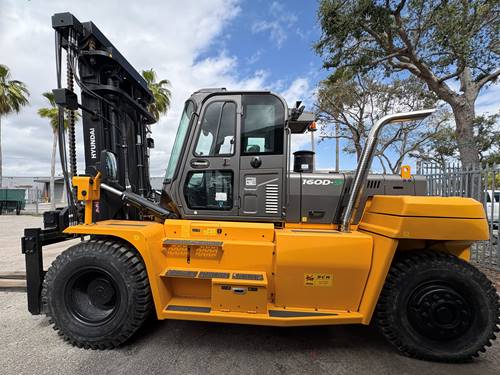
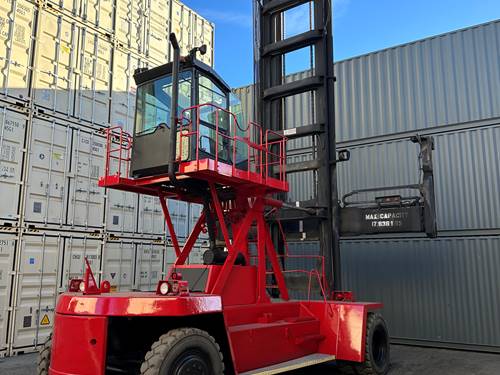
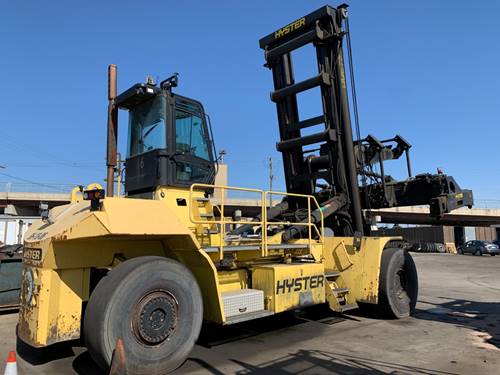
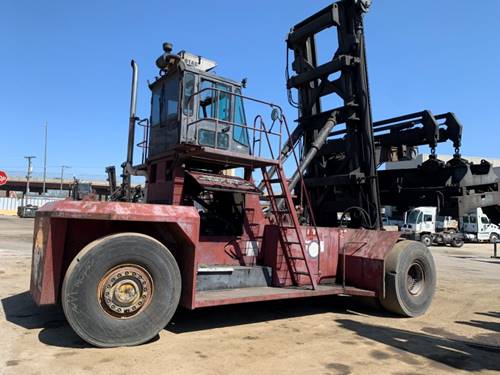
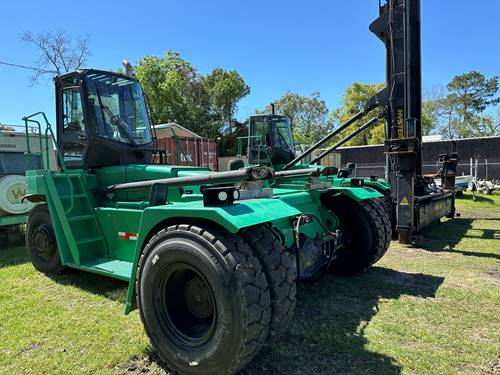
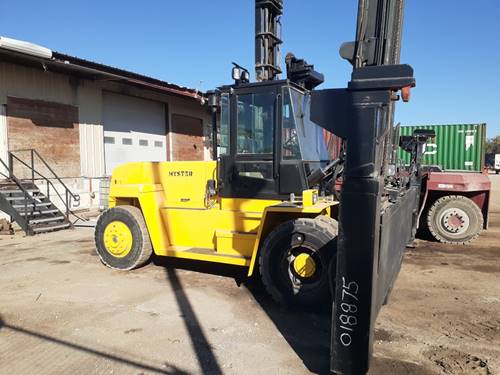
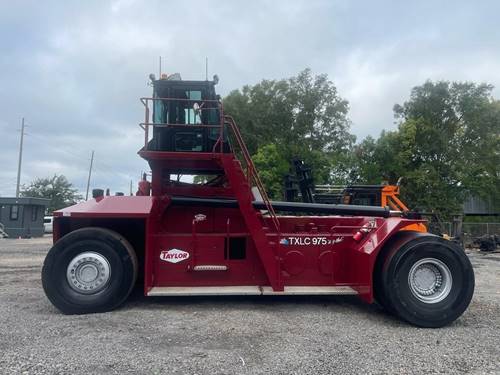
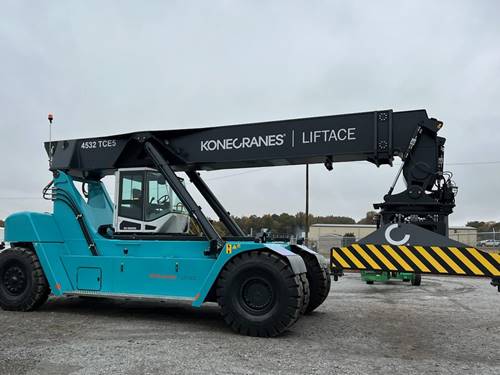
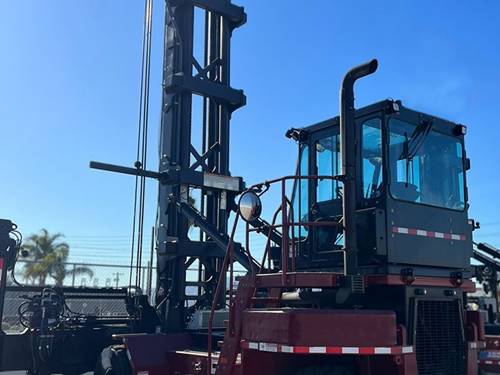
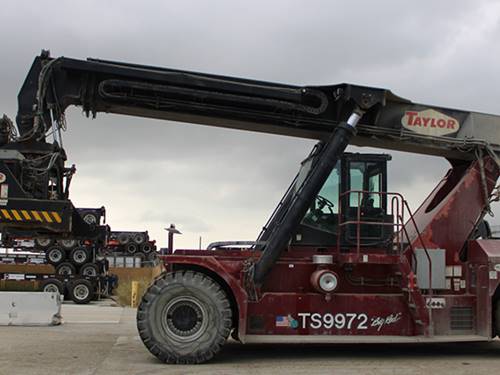
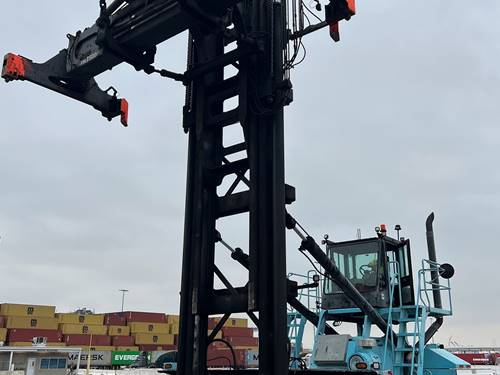
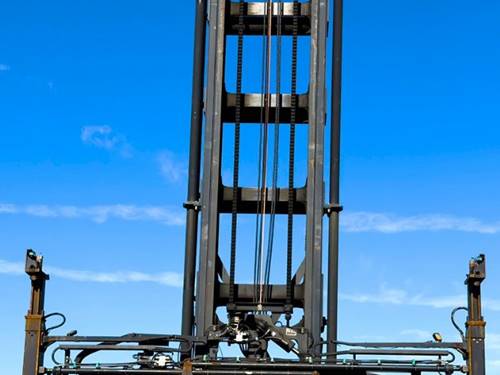
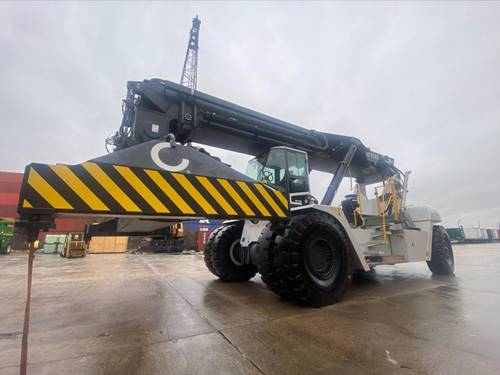
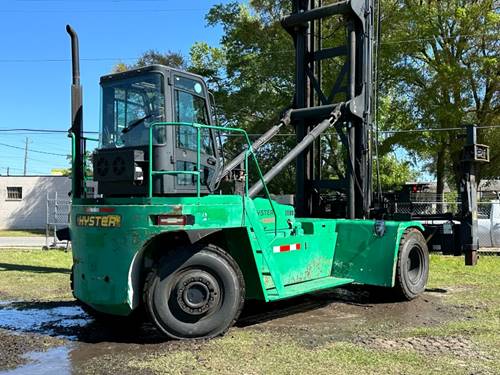
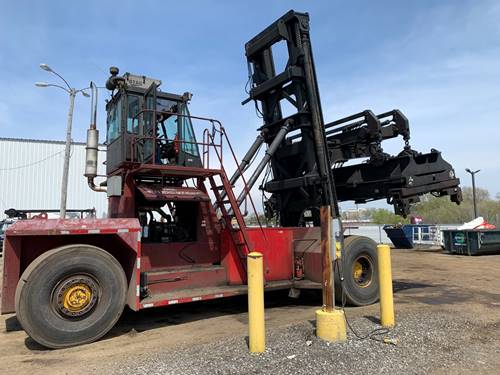
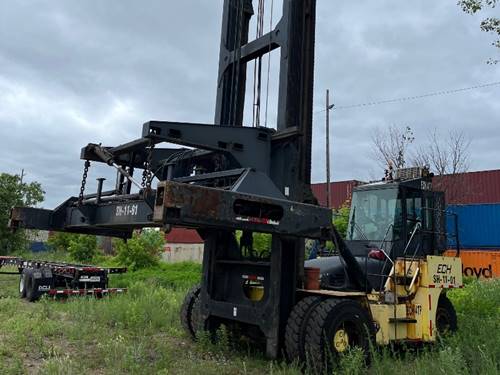
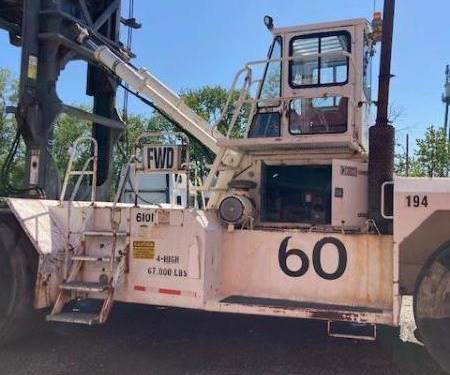
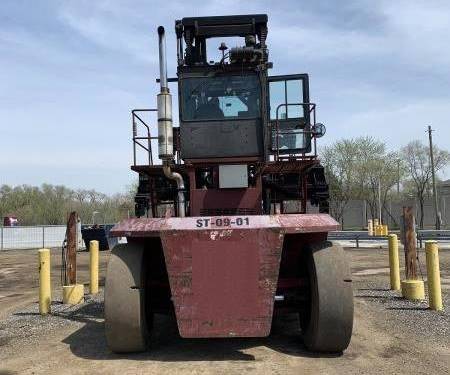
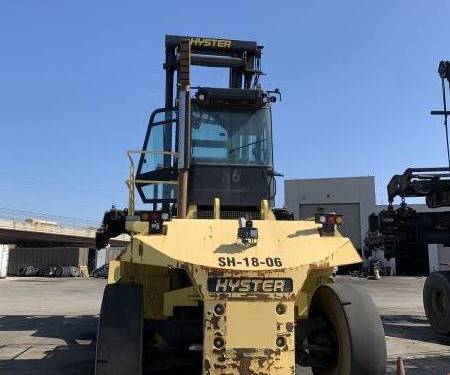
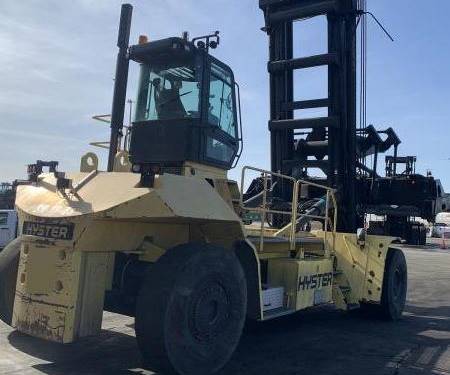

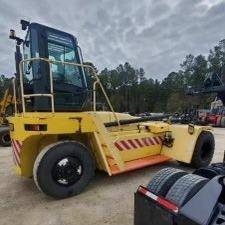
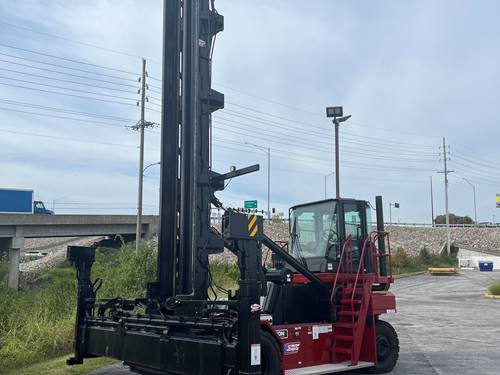
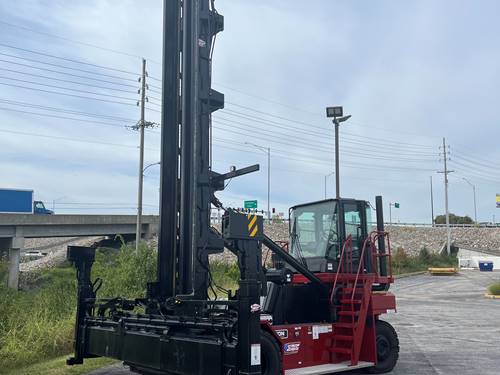
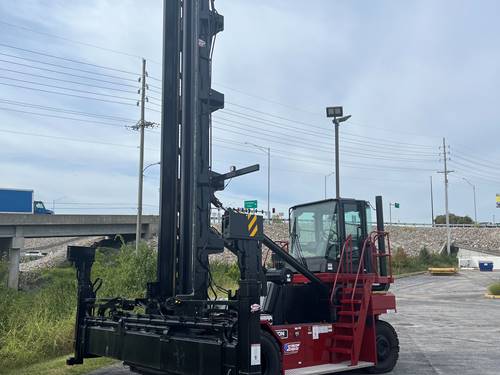
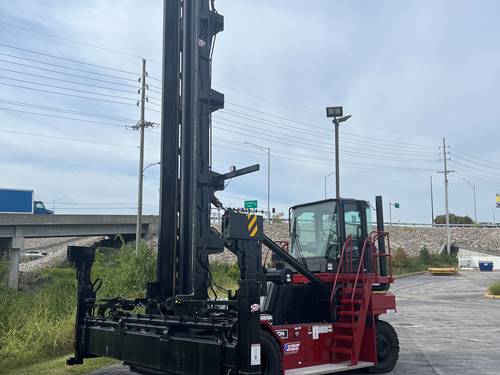
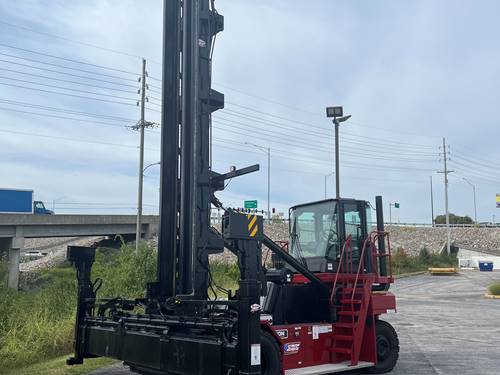
Container handlers are specialized forklifts designed to efficiently handle both loaded and empty containers. Key features often include a high lifting capacity to manage heavy loads, mast designs that allow for stacking and unstacking containers in tight spaces, and durable tires suited for rough terrain. Many models also incorporate advanced safety systems, ergonomic controls, and enhanced visibility to improve operator safety and efficiency.
A loaded container handler is designed specifically to lift and transport containers filled with cargo, requiring a greater lifting capacity and stability features. In contrast, an empty container handler focuses on the safe handling of containers that are not loaded, which may involve different lifting mechanisms and configurations that facilitate stacking and storage of empty containers efficiently.
The appropriate size and capacity of a container handler depend on several factors, including the weight of the containers you will be handling, the maximum lift height required, and the specific working environment (e.g., indoor vs. outdoor). It's important to assess your workload, including peak operational demands, and consult with equipment specialists if needed to ensure you select a unit that meets your operational needs.
Regular maintenance for container handlers includes checking and changing hydraulic fluids, inspecting tires for wear, ensuring mast and forks are in good condition, and lubricating moving parts. It's also essential to conduct routine safety inspections and adhere to the manufacturer’s maintenance schedule to prevent breakdowns and prolong the lifespan of the equipment.
Your location is Columbus, OH. Modify


 Equipment
Copyright ©2026 Eliftruck.com, Inc.
TEL: +1 (800) 867-3675
FAX: +1 (208) 330-5961
INT’L: +1 (630) 759-4799

