

The rotator, also known as rotating forks, is a versatile forklift attachment designed to enhance material handling capabilities by allowing operators to rotate loads up to 360 degrees. This attachment is particularly beneficial in various industries, such as construction, warehousing, and recycling, where it is crucial to maneuver and position loads with precision. There are several types of rotators available, including single and double rotators, each tailored to accommodate varying load sizes and weights. The most popular types often feature heavy-duty construction and hydraulic systems that ensure smooth rotation and great load stability. When considering a rotator for purchase, key factors include the attachment's compatibility with your forklift, weight capacity, build quality, and ease of installation. Rotators are commonly used for tasks such as positioning large containers or bales, managing scrap materials, and facilitating the transfer of heavy or awkwardly shaped items, making them an invaluable asset in any material handling operation. Investing in a quality rotator can significantly improve efficiency and safety when dealing with challenging loads, ultimately streamlining workflow and boosting productivity.


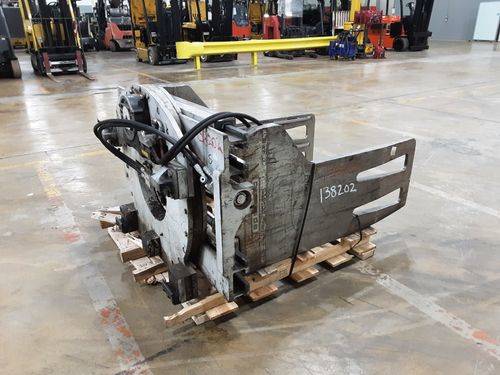
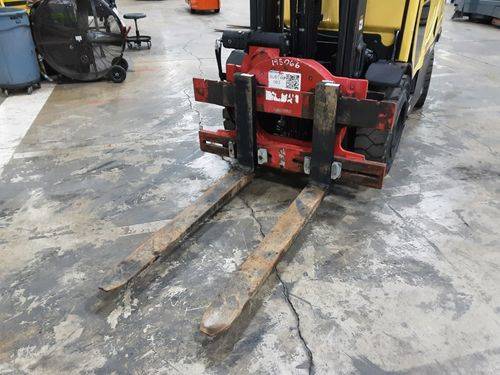





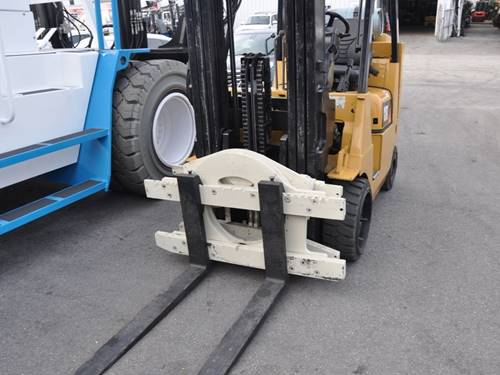



A Rotator, or Rotating Forks, is a forklift attachment that allows the operator to rotate and manipulate loads with precision. It uses hydraulic mechanisms to rotate the forks 360 degrees, enabling easy handling of materials like coils, barrels, and containers without the need for repositioning the forklift.
Rotating Forks can efficiently handle various materials, including cylindrical objects like drums and rolls, pallets, and bulk items. They are particularly useful for industries dealing with metals, plastics, and other rolled goods, allowing for safe and secure movement of heavy loads.
While Rotating Forks are designed to fit most standard forklifts, compatibility can depend on the forklift's make and model. It’s essential to check the specifications of both the attachment and the forklift to ensure they can operate together safely and effectively.
When using Rotating Forks, it is crucial to look for safety features such as automatic locking mechanisms, limit switches to prevent over-rotation, and robust construction to handle heavy loads. Proper training for operators is also vital to ensure safe usage and minimize risks during operations.
Your location is Columbus, OH. Modify


 Equipment

Copyright ©2026 Eliftruck.com, Inc.
TEL: +1 (800) 867-3675
FAX: +1 (208) 330-5961
INT’L: +1 (630) 759-4799

