
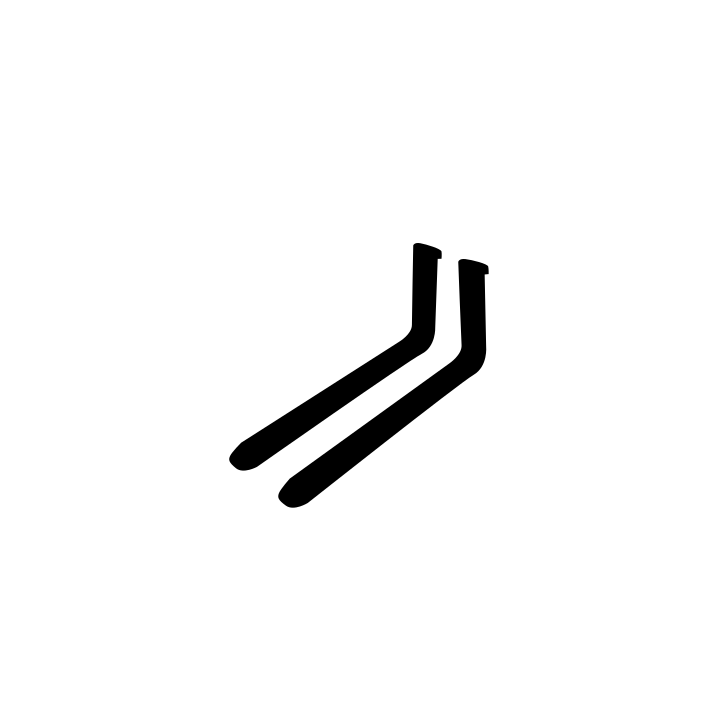
"Forks", in the context of material handling and forklifts, refer to attachments that drastically enhance a forklift's ability to handle, lift, and transport materials of various forms. Acting as the 'arms' of the forklift, they play a crucial role in lifting cargo off the ground and supporting it while in transit, serving as the primary point of interaction between the load and the machine. Forks come in an array of shapes and sizes designed to accommodate different requirements. These range from pallet forks, the most common type, to more specialized types such as lumber or bale forks. When purchasing forks, consider elements such as the load capacity and type of material handled. Take into account their length, width, and thickness, which should match the weight and size of the load, as well as the lifting height required. Also known as tynes or prongs, these attachments prove vital in warehouses, construction sites, and any industry that relies on the safe and efficient transport of heavy materials, making forks a pivotal component in the broader scope of material handling.


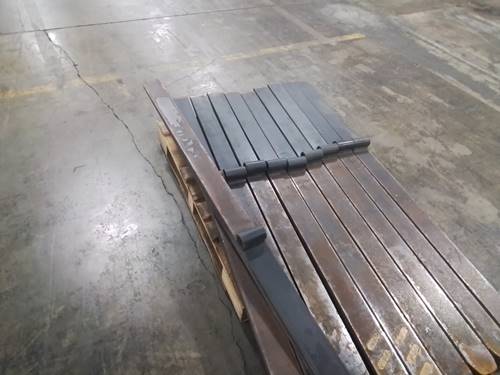
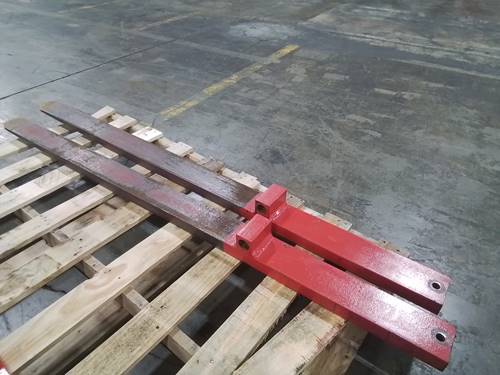
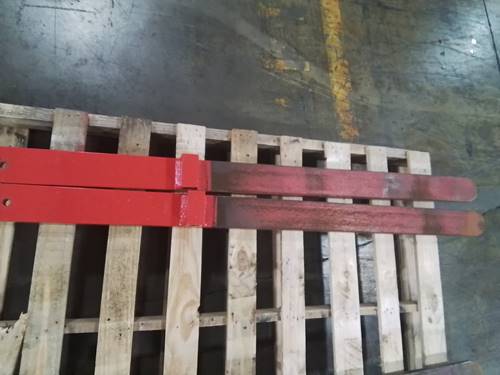
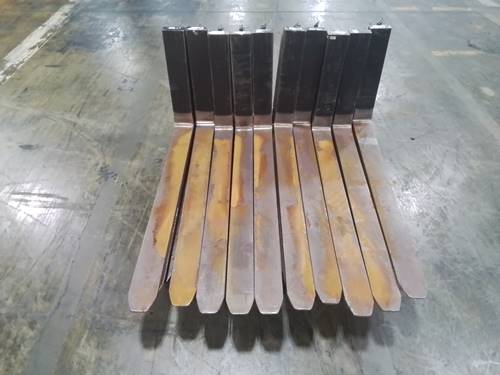
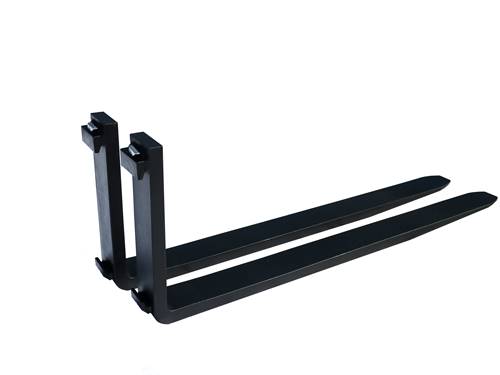
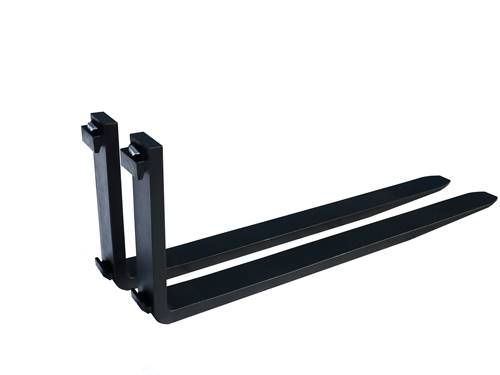
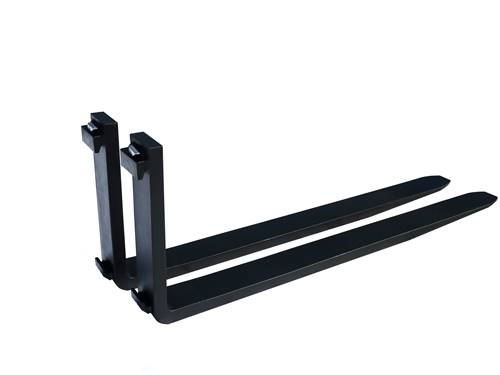
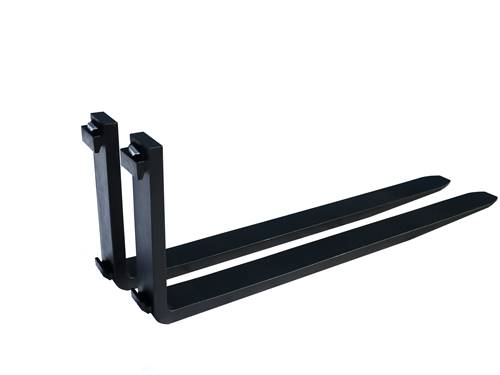


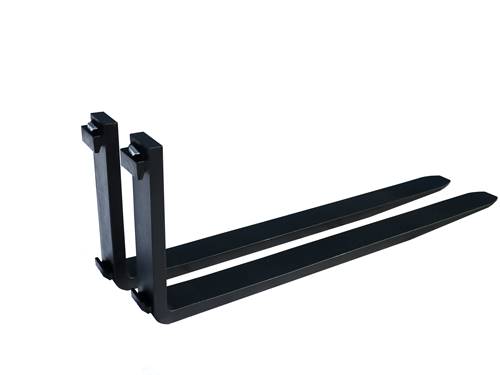


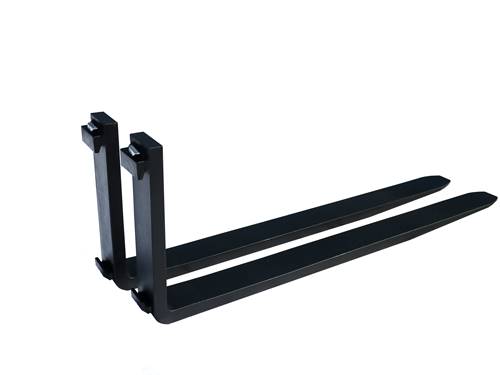
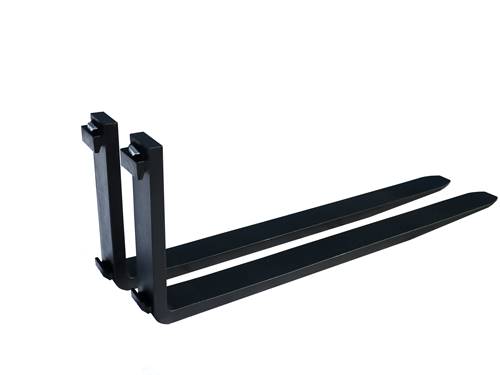
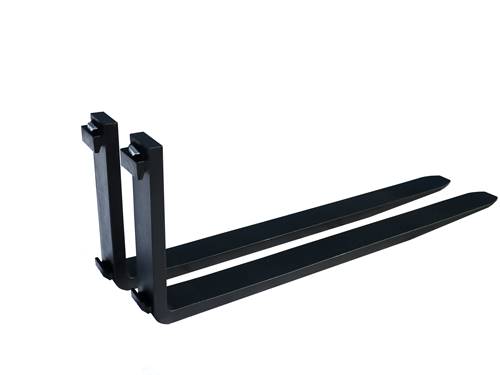
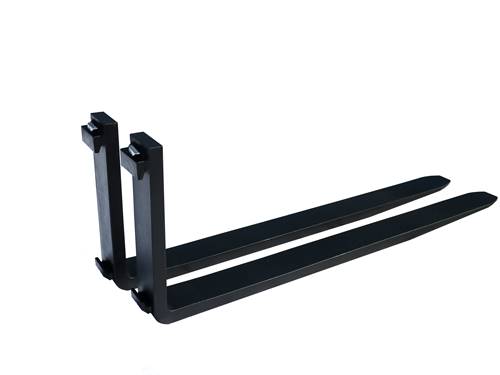
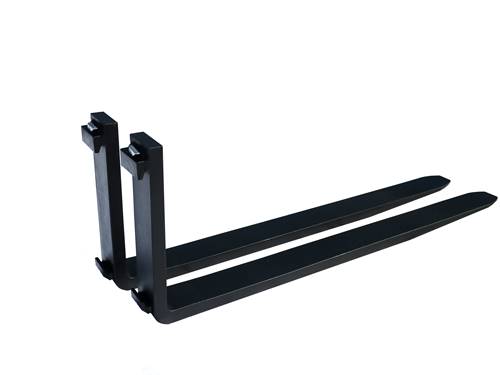
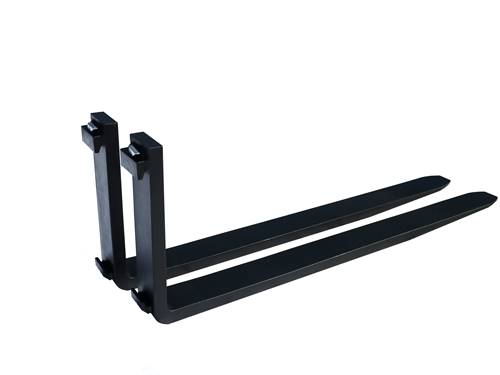
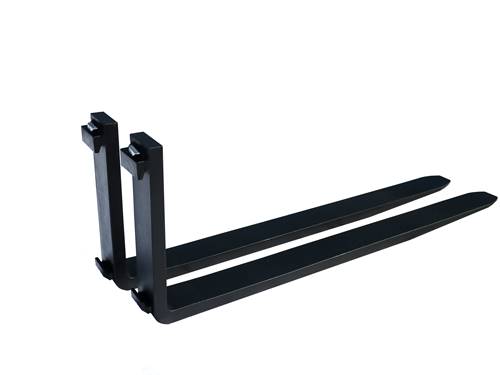
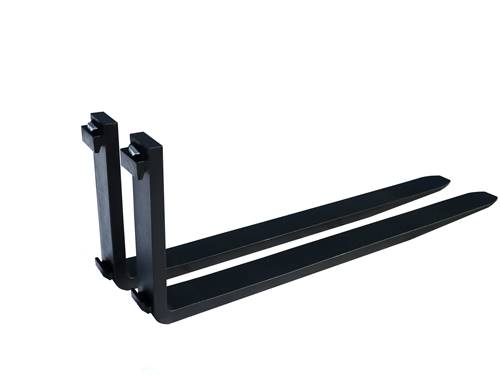
Forks are primarily used to lift, move, and stack various materials such as pallets, crates, and other heavy items. They provide enhanced versatility to forklifts, enabling them to handle a wide range of loads in warehouses, construction sites, and logistics operations.
Choosing the right size of forks depends on the type and size of the loads you will be handling. It is important to consider the load capacity of your forklift, as well as the dimensions of the pallets or items you will be moving. Always refer to the manufacturer’s specifications for guidance on compatible fork sizes.
Yes, there are various types of forks designed for specific applications, including standard forks, heavy-duty forks, and specialized forks like lumber forks or paper rolls forks. Selecting the right type helps optimize performance and ensures safe handling of different materials.
Regular maintenance of forklift forks includes checking for wear and tear, ensuring they are securely attached, and inspecting for any cracks or damage. It’s essential to clean them periodically to prevent rust and ensure smooth operation. If you notice significant wear, consider reconditioning or replacing them to maintain safety and efficiency.
Your location is Columbus, OH. Modify


 Equipment
Copyright ©2026 Eliftruck.com, Inc.
TEL: +1 (800) 867-3675
FAX: +1 (208) 330-5961
INT’L: +1 (630) 759-4799

