


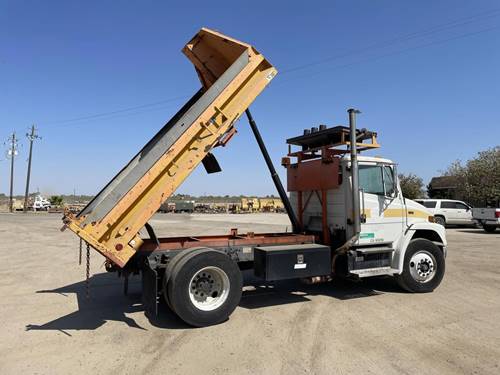
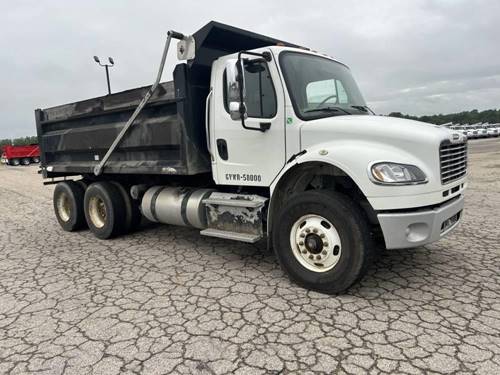
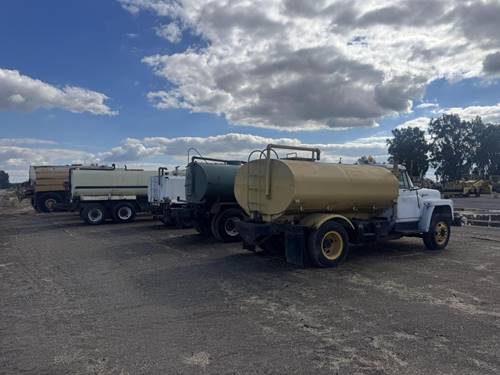
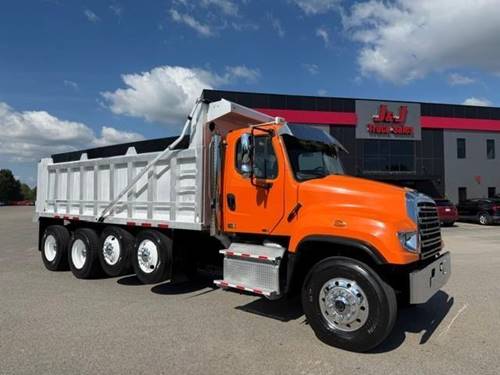
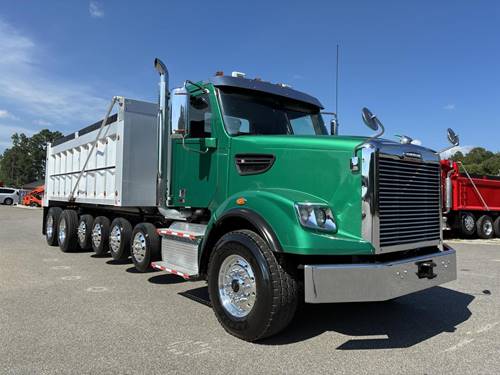
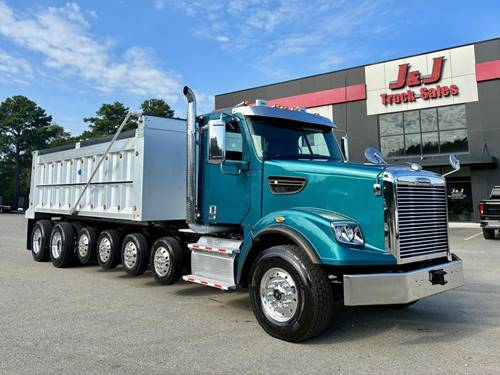
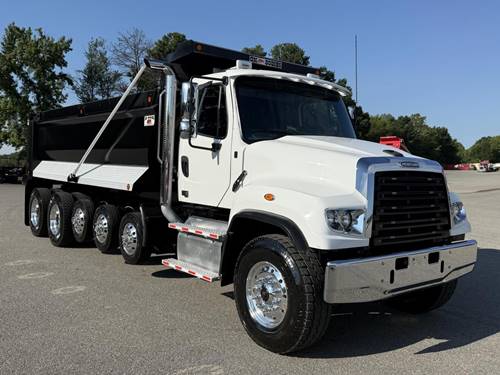
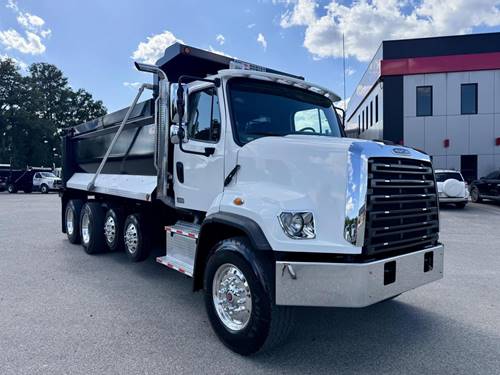
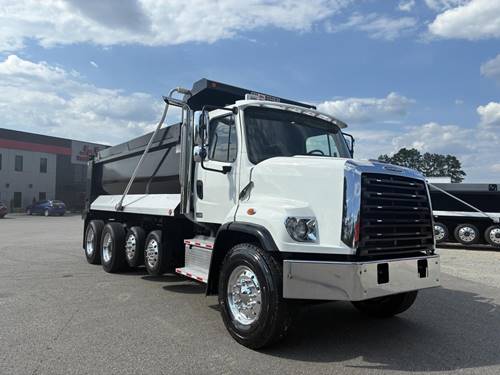
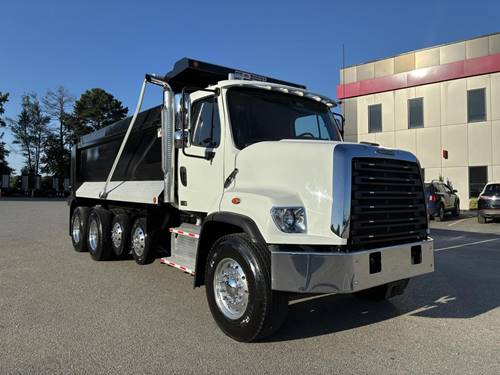

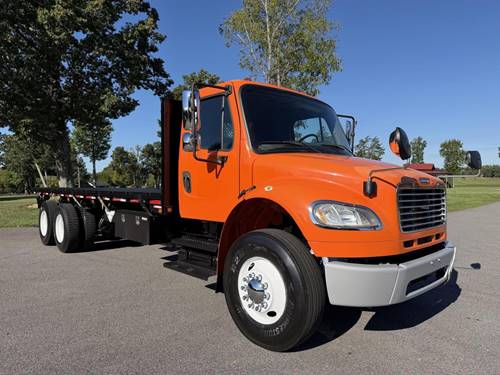
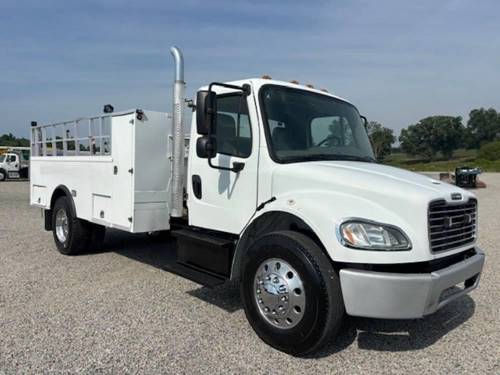
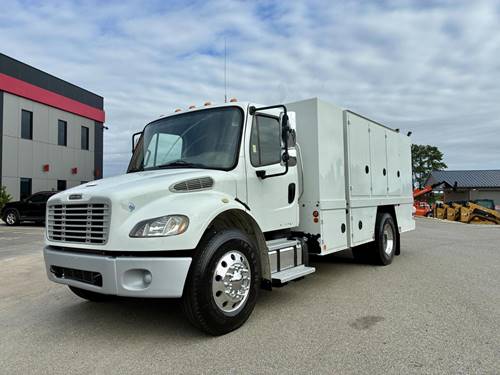
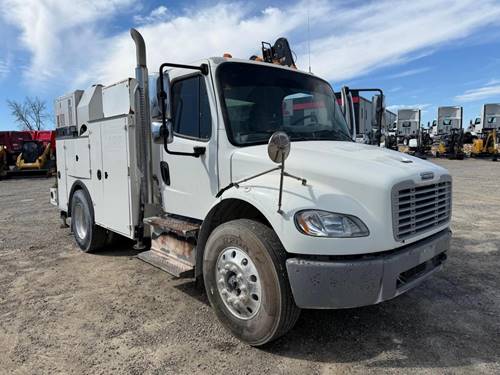
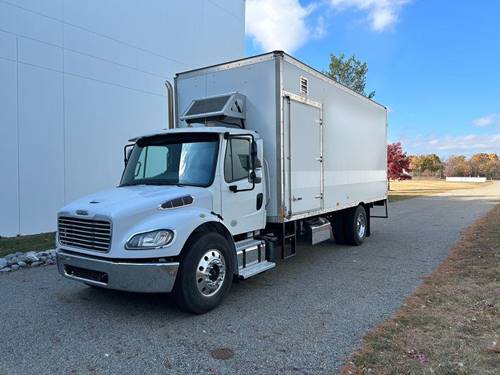
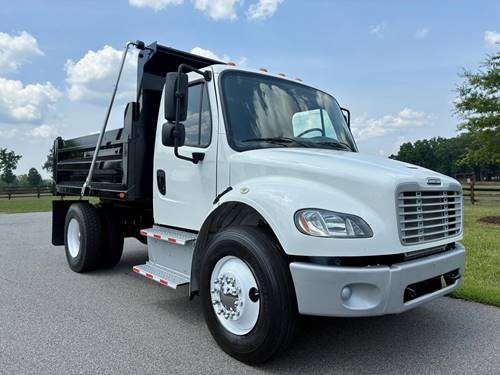
The Freightliner FL70 is a versatile medium-duty truck designed to handle various applications. It typically features a powerful engine, with options typically ranging from 5.9 to 12.0 liters, providing robust performance depending on the specific model. The truck's gross vehicle weight rating (GVWR) generally ranges from 19,500 to 33,000 pounds, making it suitable for a variety of loads. Additionally, the FL70 often comes equipped with either an automatic or manual transmission, allowing owners to choose based on their operational needs.
The Freightliner FL70 is known for its impressive payload capacity, which can vary based on the specific configuration and equipment of the truck. Typically, you can expect a payload capacity of around 10,000 to 15,000 pounds, depending on the model and body type. This makes it an ideal choice for businesses that require a reliable truck to transport goods, equipment, or other materials over various distances.
The fuel efficiency of the Freightliner FL70 can vary significantly depending on the engine type, weight load, and driving conditions. Generally, owners can anticipate a fuel economy of approximately 10 to 15 miles per gallon. To maximize fuel efficiency, regular maintenance, proper tire inflation, and smooth driving habits are recommended. Keeping the truck well-maintained can help the FL70 perform optimally, reducing fuel costs over time.
The Freightliner FL70 is designed with safety in mind, often equipped with features such as anti-lock braking systems (ABS), traction control, and various driver assistance options, depending on the model year and trim level. Additionally, many FL70 units come with a solid frame and robust construction, providing enhanced durability and stability while on the road. It is crucial to check individual model specifications for the latest safety advancements and features.
Yes, the Freightliner FL70 is generally considered easy to maintain, thanks to its straightforward design and readily available parts. Freightliner has a reputation for building durable trucks with serviceability in mind, making it easier for mechanics to access key components. Regular maintenance such as oil changes, brake inspections, and tire rotations can help ensure the truck remains in optimal condition, ultimately extending its lifespan and maintaining its reliability on the road.
Your location is Columbus, OH. Modify


 Equipment
Copyright ©2026 Eliftruck.com, Inc.
TEL: +1 (800) 867-3675
FAX: +1 (208) 330-5961
INT’L: +1 (630) 759-4799

