



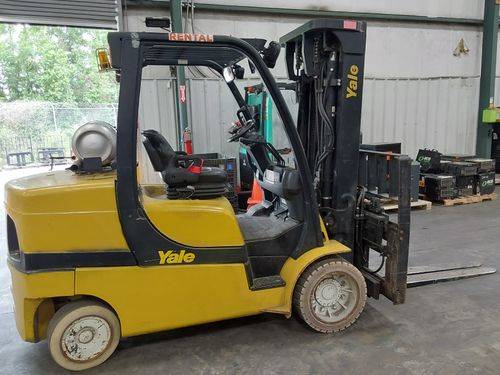
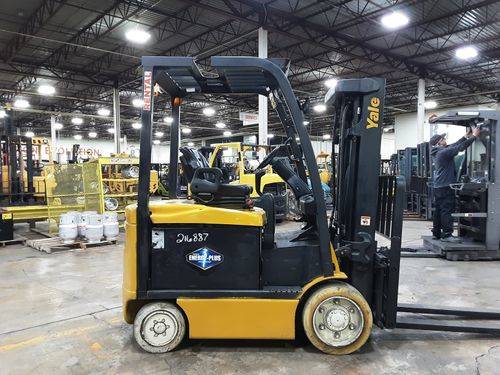
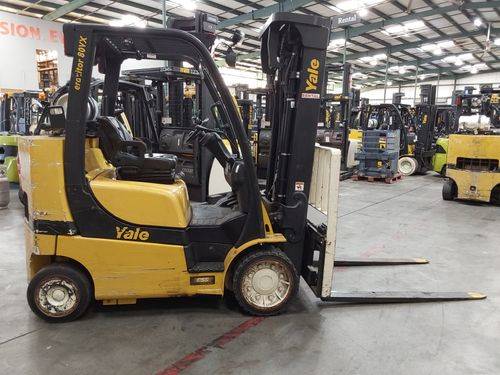
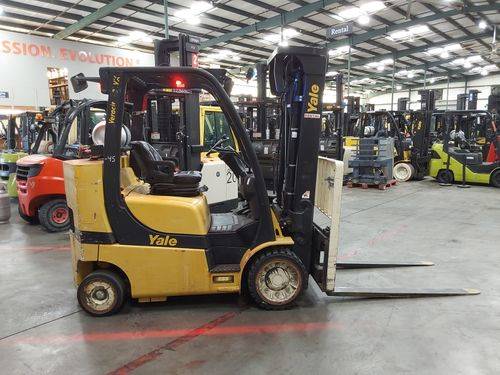
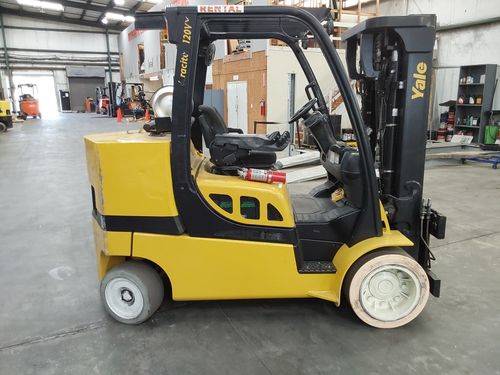
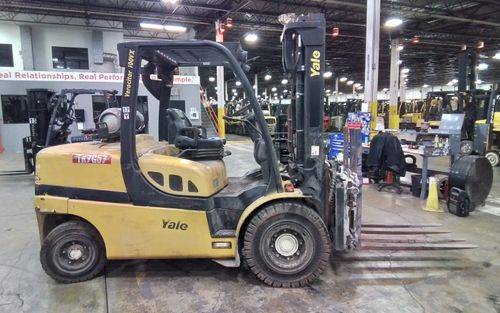
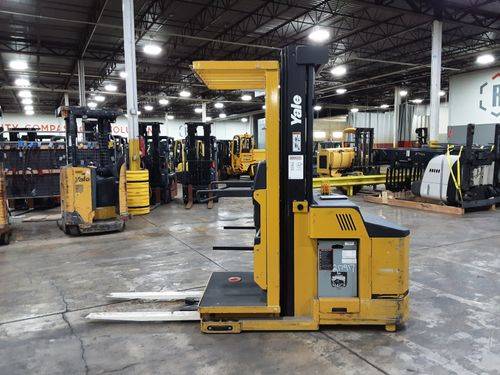
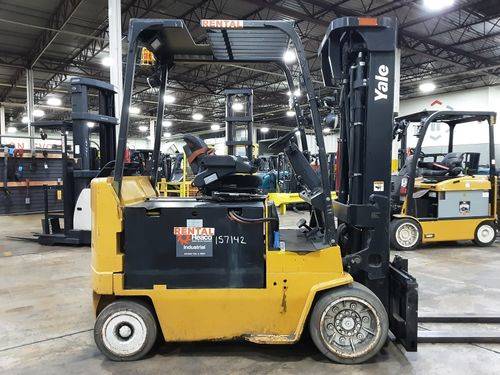
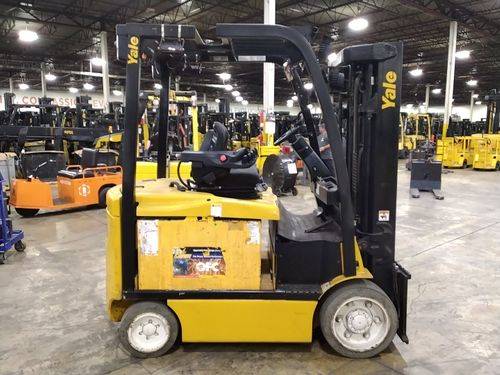
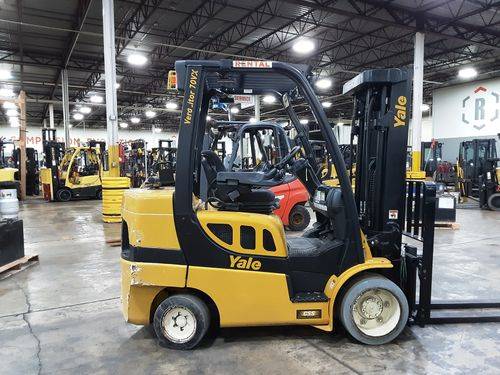
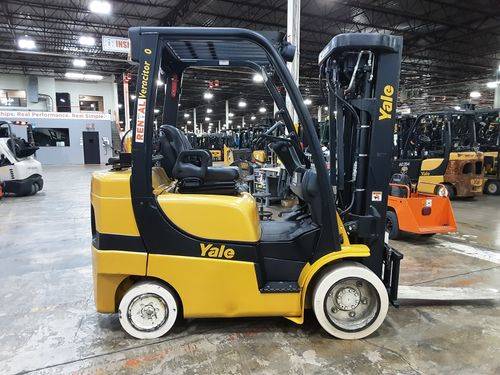
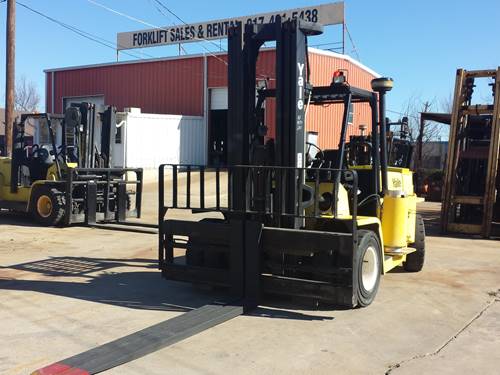
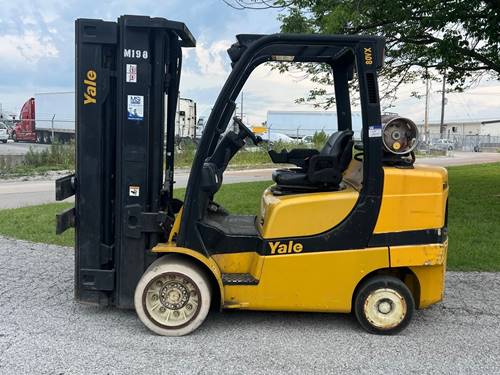
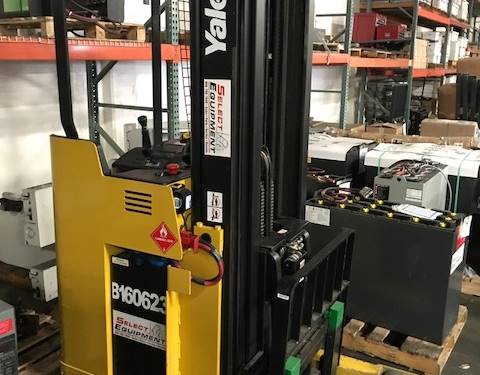
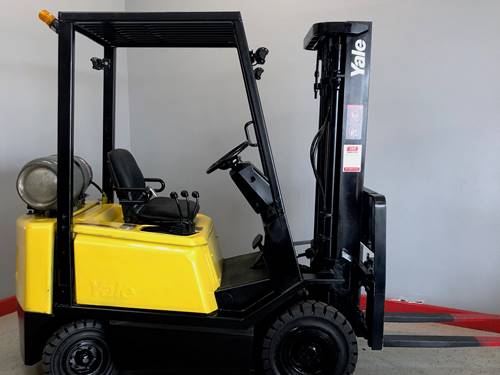
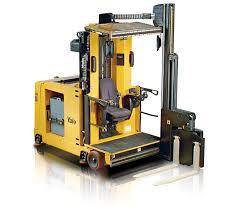
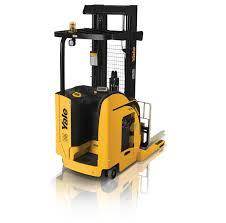
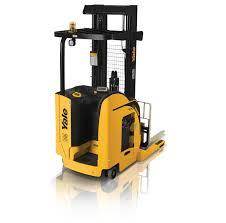
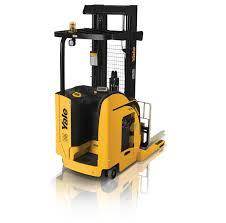
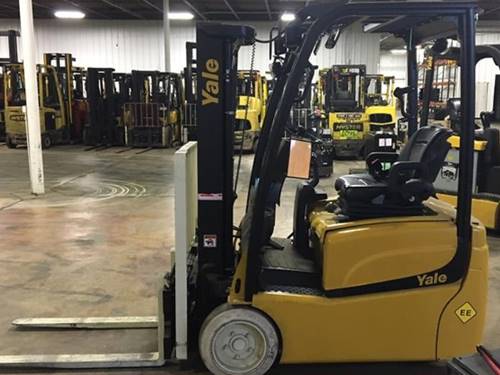
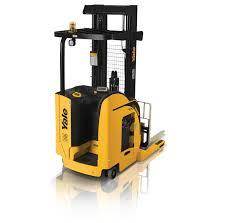
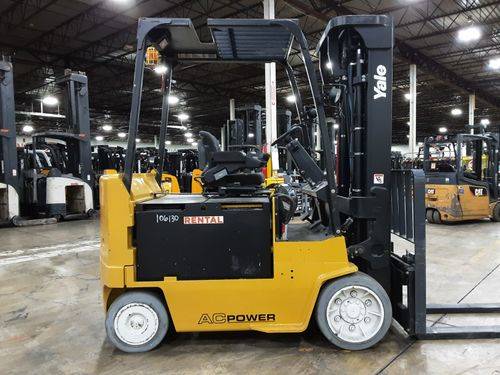
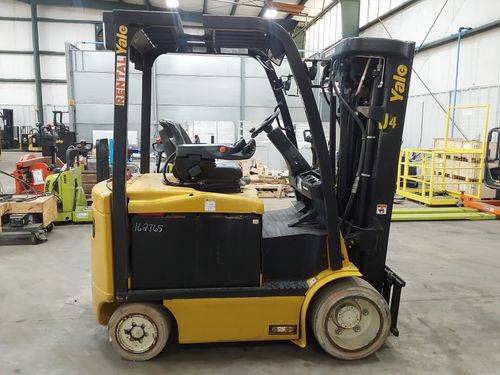
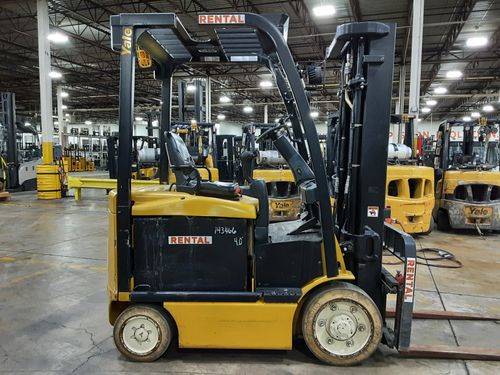
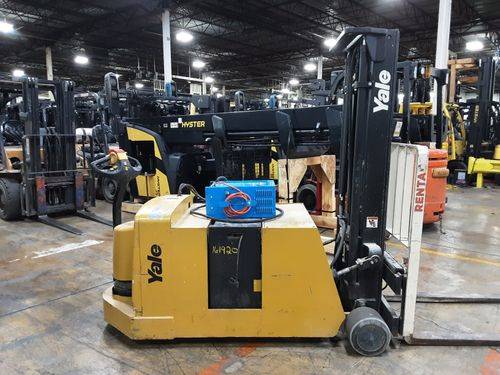
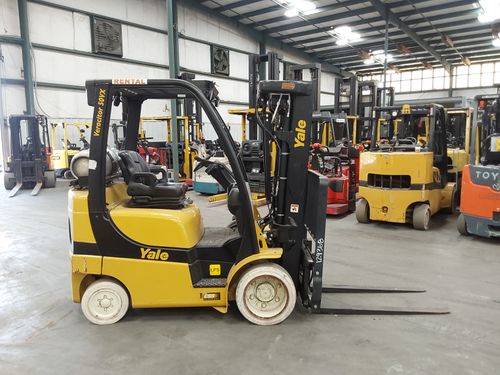
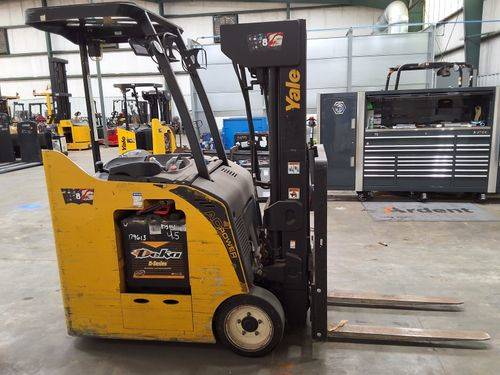
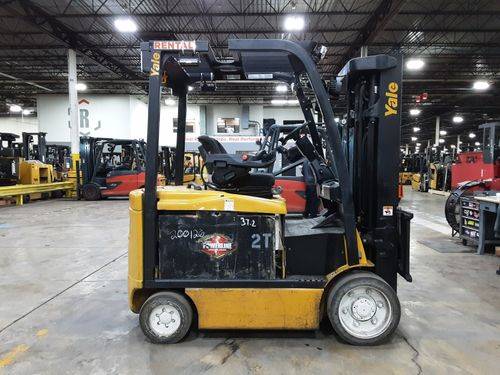
The Yale GLC050VXNGSE083 is a robust cushion tire 4-wheel sit-down forklift designed for indoor warehouse operations. It operates on LP gas fuel for efficient performance and reduced emissions. This model is well-suited for various material handling applications and features a durable build that ensures reliability in demanding environments. It also boasts enhanced maneuverability, making it ideal for tight spaces within warehouses.
Cushion tire forklifts, like the Yale GLC050VXNGSE083, are engineered for smooth indoor operation, offering excellent traction on flat surfaces. Their compact design allows for greater maneuverability in confined spaces, making them ideal for stacked warehouse layouts. Additionally, cushion tires provide a quieter performance and are less damaging to floors compared to pneumatic tire options, which is a significant advantage for indoor settings.
Regular maintenance is crucial for ensuring the optimal performance and longevity of the Yale GLC050VXNGSE083 forklift. This includes routine checks on the LP gas system, including inspections of hoses and connections for leaks. Operators should also monitor and maintain tire pressure, inspect the forks for wear and damage, and keep the hydraulic system in check. Performing regular maintenance can not only prolong the lifespan of the forklift but also enhance operator safety and efficiency.
The Yale GLC050VXNGSE083 is equipped with several safety features designed to protect both the operator and the surrounding environment. Key safety elements include a clear view mast that improves visibility during operation, as well as standard seatbelt usage to enhance operator security. Additionally, the forklift may include a stability system to prevent tipping and alert systems to warn operators of potential hazards, making it a safe choice for indoor warehouse use.
While the Yale GLC050VXNGSE083 is primarily designed for indoor use, it can be utilized in cold storage environments with some considerations. The LP gas fuel type may require specific adaptations for optimal performance at lower temperatures. It's important to ensure that all components, particularly the fuel system and engine, are suitable for operation in cold conditions to prevent any issues that could affect efficiency and safety. Always consult the manufacturer's guidelines for cold storage use recommendations.
Your location is Columbus, OH. Modify


 Equipment
Copyright ©2026 Eliftruck.com, Inc.
TEL: +1 (800) 867-3675
FAX: +1 (208) 330-5961
INT’L: +1 (630) 759-4799

