

"Fork positioners" fall under the larger category of forklift attachments—a critical accessory used to handle materials in diverse industrial settings. Also known as fork spreaders, fork positioners serve an essential role when it comes to the agile movement, positioning, and modification of the forks on a forklift. These devices allow the operator to adjust the distance between the forks without leaving the cab, thus saving time and effort. This ability to manipulate the spacing assists in handling loads of different sizes safely and efficiently. Fork positioners come in various types, each designed to tackle unique lifting challenges. A buyer must determine their model based on their specific work requirements, considering factors like load type, lifting height, and the forklift's capacity. Some of the most popular types include mechanical, hydraulic, and integral carriage fork positioners. Whether you're in the business of warehousing, construction, or shipping, fork positioners make the material handling process significantly more flexible and proficient, providing a practical solution to meet diverse load management needs. As you explore this forklift accessory, consider their potential to enhance your operational efficiency and safety measures at your facility.



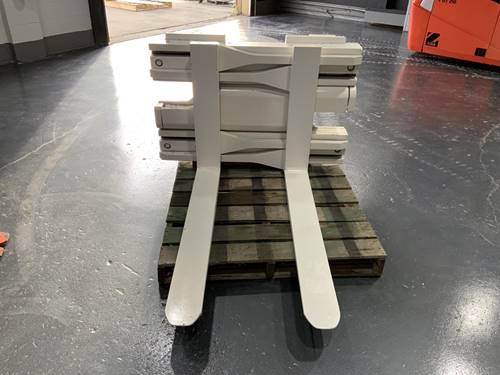
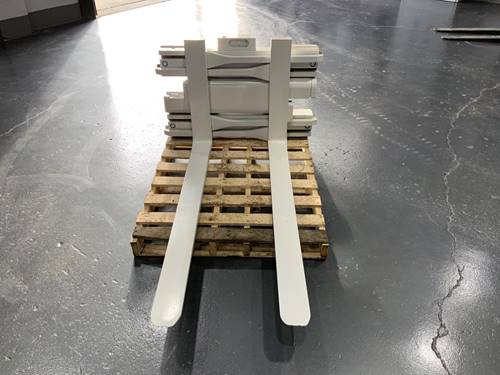
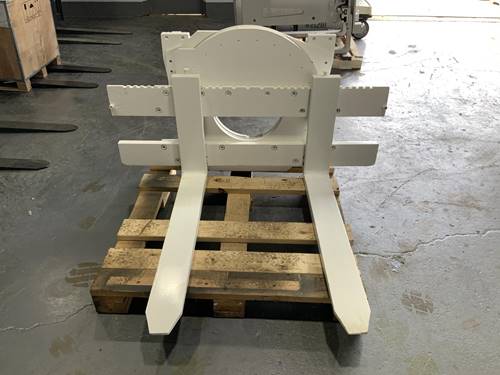
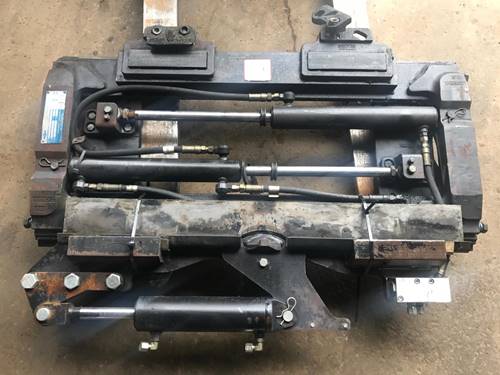
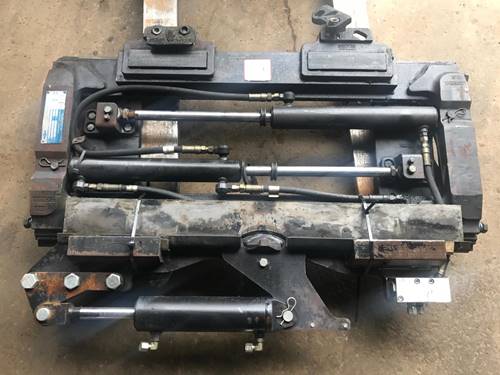
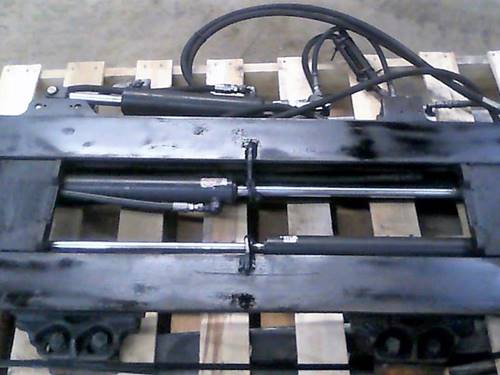
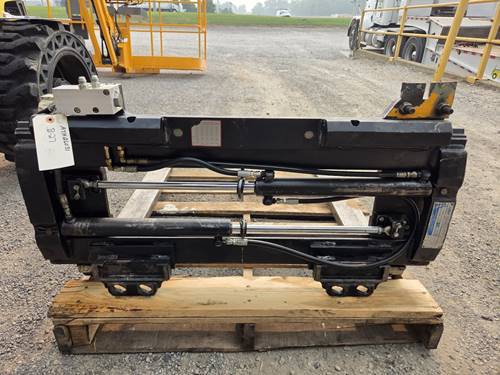
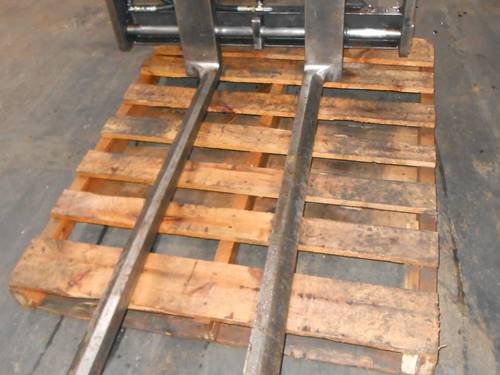
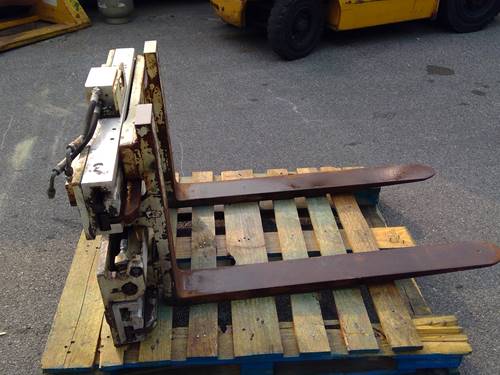
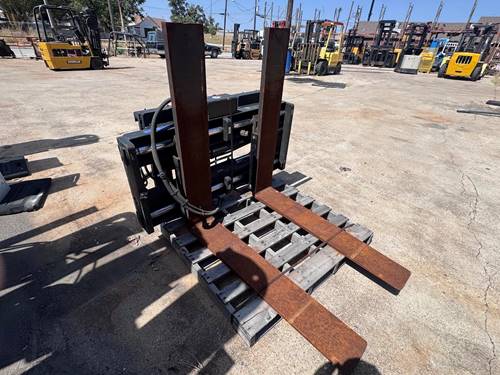
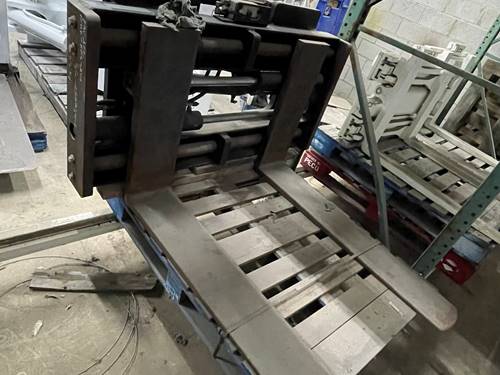
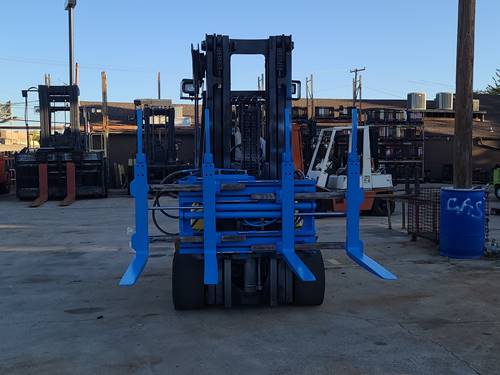
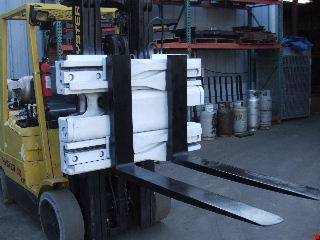
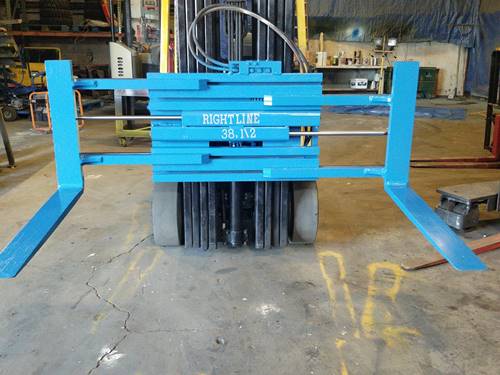
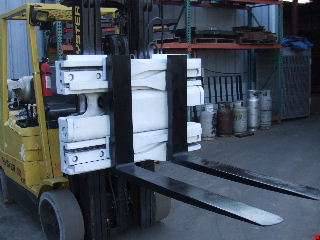
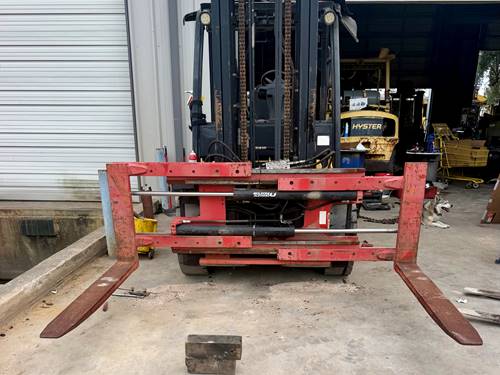
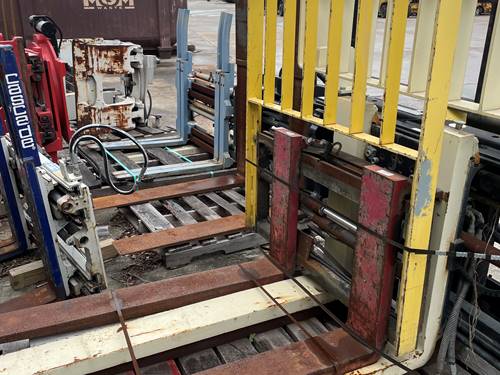
A fork positioner is an attachment for forklifts that allows the operator to adjust the width of the forks while lifting loads. It typically consists of two fork arms that can be hydraulically moved closer together or further apart, enabling efficient handling of various load sizes without the need to manually change forks.
Using a fork positioner increases the versatility and efficiency of forklift operations. It allows for quick adaptation to different load sizes, helps in reducing the risk of damage to products during handling, and can significantly decrease the time spent on loading and unloading, improving overall productivity.
Fork positioners can be compatible with many types of forklifts, but it's essential to ensure that the attachment is suitable for your specific model. Consult with the manufacturer or dealer to confirm compatibility and to understand any modifications that may be needed for proper installation.
Fork positioners do require regular maintenance to ensure optimal performance. It's important to check hydraulic connections, inspect for wear or damage, and keep the mechanism clean and lubricated. Following the manufacturer's maintenance guidelines will help extend the life of the attachment.
Your location is Columbus, OH. Modify


 Equipment
Copyright ©2026 Eliftruck.com, Inc.
TEL: +1 (800) 867-3675
FAX: +1 (208) 330-5961
INT’L: +1 (630) 759-4799

