


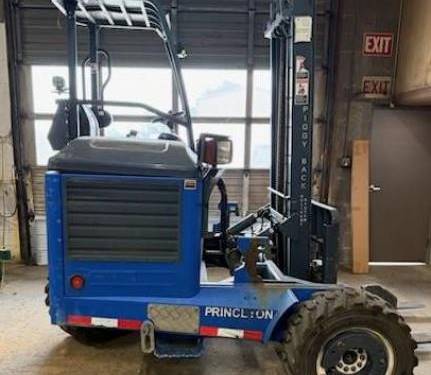
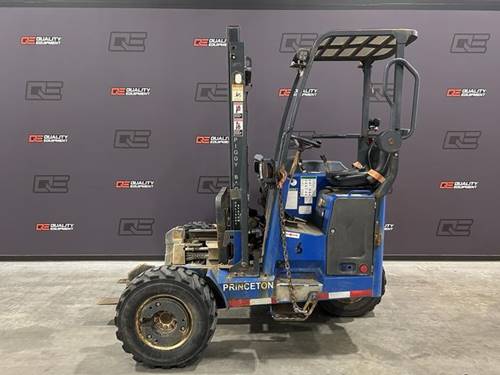

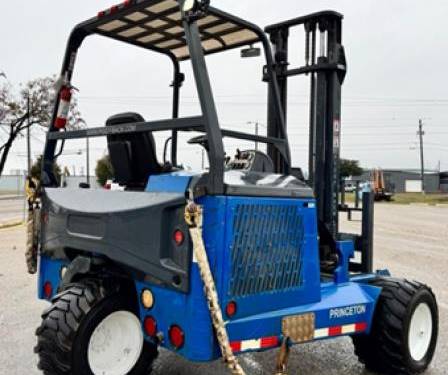
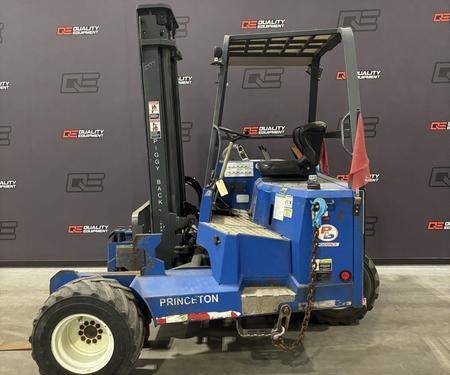
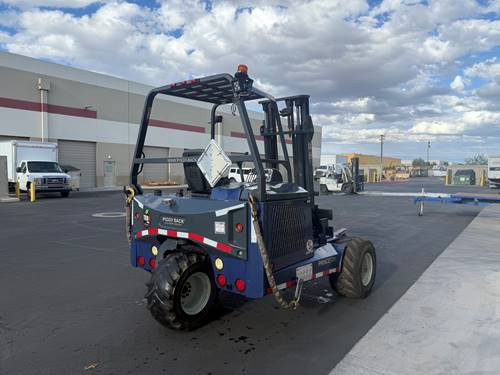
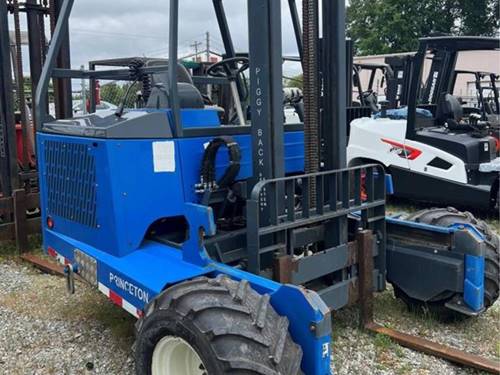
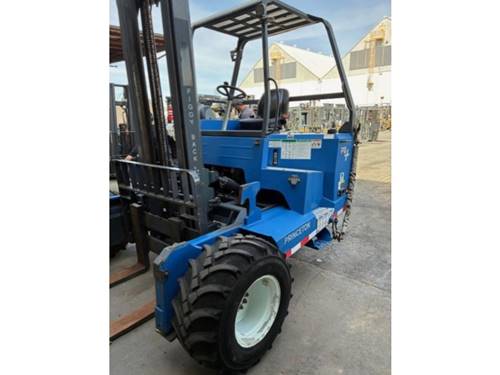
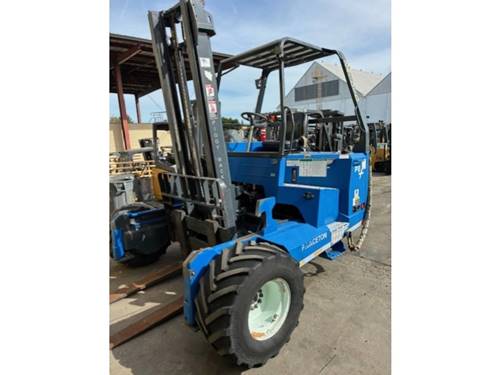
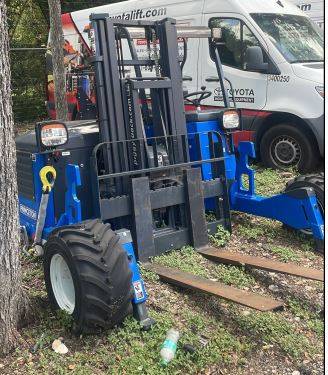
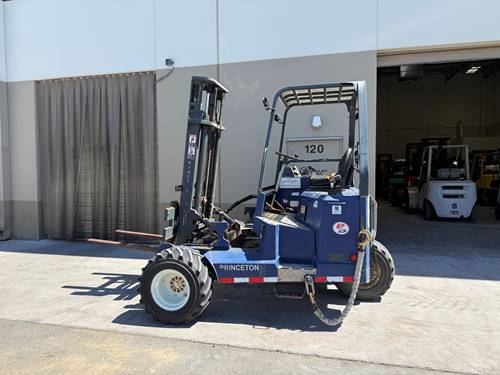
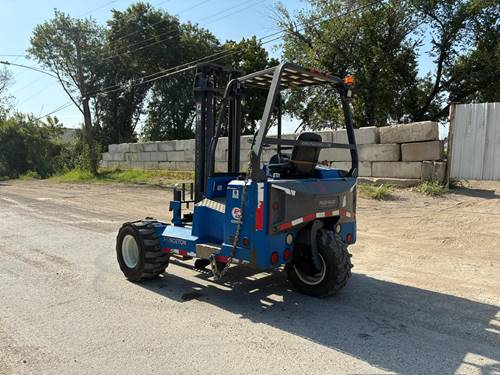
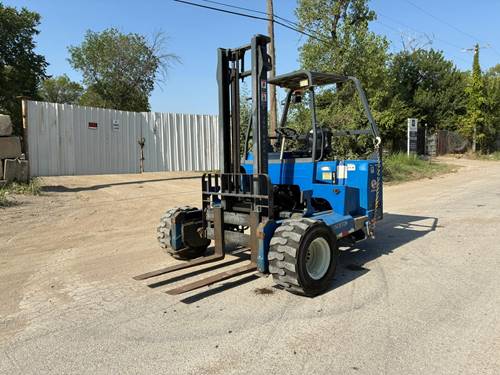
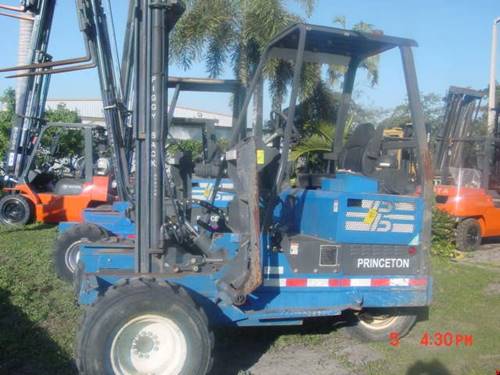
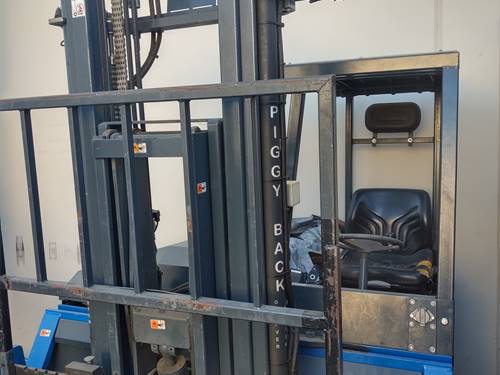
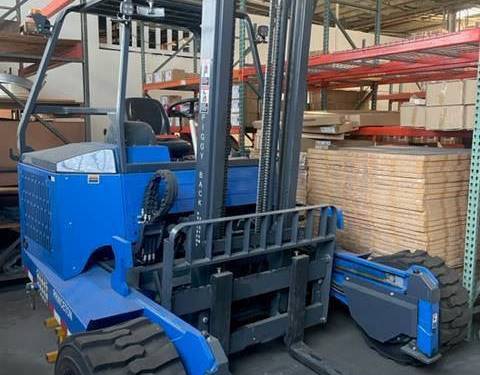


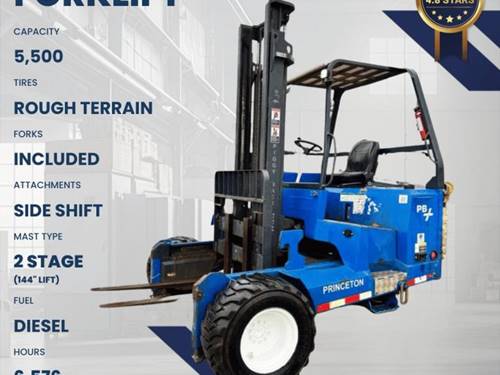
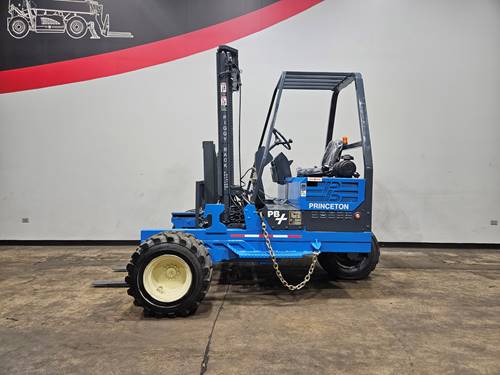
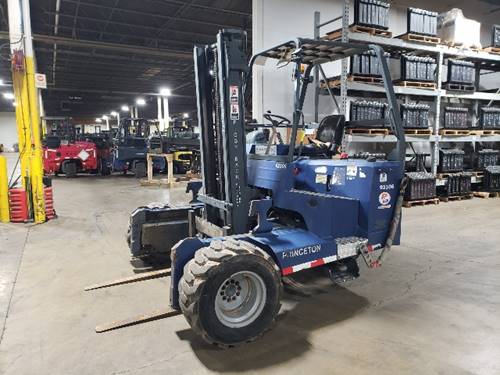
The Princeton PB55.4 is a truck-mounted forklift specifically designed for handling sod loads. This rugged machine features a robust lifting capacity and is powered by diesel fuel, ensuring efficiency and performance in various applications. It is engineered for ease of transportation, allowing for quick setup and operation on job sites. Key specifications include its model number, manufacturer details, and fuel type, all vital for users evaluating its suitability for their needs.
The PB55.4 offers several advantages over traditional forklifts, particularly in mobility and versatility. Being truck-mounted, it can easily be transported between job sites without the need for a separate trailer. This feature significantly reduces downtime associated with transport and provides greater flexibility in handling sod and other loads. Additionally, its design prioritizes stability and maneuverability, making it ideal for navigating tighter spaces often found in landscaping and construction projects.
The diesel engine in the PB55.4 is designed for optimal fuel efficiency, which can significantly reduce operational costs over time. Diesel fuel generally offers better fuel economy compared to gasoline or propane, allowing for extended use on the job without frequent refueling. Users should consider the specific workload and duration of operations, as this can impact overall fuel consumption and help inform cost forecasting for project budgets.
Regular maintenance is crucial for the longevity of the Princeton PB55.4. This includes routine inspections of the hydraulic system, regular oil changes for the diesel engine, and checks on tire wear. It's also important to keep the forklift clean and free from debris, as buildup can affect performance. Following the manufacturer's maintenance schedule will help ensure the unit operates efficiently and reduces the risk of downtime due to repairs.
The Princeton PB55.4 is equipped with essential safety features designed to protect the operator and ensure safe operation. These features typically include an overhead guard to protect against falling objects, a stability mechanism to prevent tipping while operating on uneven terrain, and a clear visibility design to enhance hazard awareness. Operators should familiarize themselves with these features to maximize safety and compliance with industry regulations while using the forklift.
Your location is Columbus, OH. Modify


 Equipment
Copyright ©2026 Eliftruck.com, Inc.
TEL: +1 (800) 867-3675
FAX: +1 (208) 330-5961
INT’L: +1 (630) 759-4799

