
Toyota, a global leader in industrial equipment manufacturing, is renowned for its robust lineup of forklifts and material handling solutions. Founded in 1937 in Toyota City, Japan, the company has established a significant presence in the United States with its North American headquarters located in Columbus, Indiana. Toyota Material Handling, a division of Toyota Industries Corporation, offers a diverse range of forklifts, including the popular 8FGU25 and 8FBCU25 models. These machines are engineered to deliver exceptional performance and reliability, catering to various industries such as warehousing, logistics, and manufacturing. Toyota's commitment to innovation is evident in its extensive range of power options, including internal combustion (IC), electric, and hybrid models, which provide versatile solutions for different operational needs.
In the competitive landscape of material handling equipment, Toyota stands out with its emphasis on quality and advanced technology. The company's electric forklifts, such as the 3-Wheel Electric Forklift and the 7-Series Electric, are designed to offer superior energy efficiency and reduced emissions, making them ideal for indoor applications and environmentally-conscious operations. Toyota's dedication to safety and productivity is reflected in its continuous development of cutting-edge features and ergonomic designs. Competing with industry giants like Hyster-Yale and Crown Equipment Corporation, Toyota maintains its edge by delivering reliable and innovative products that meet the evolving demands of the material handling sector. With a strong focus on customer satisfaction and sustainability, Toyota continues to be a trusted partner for businesses seeking efficient and durable material handling solutions.


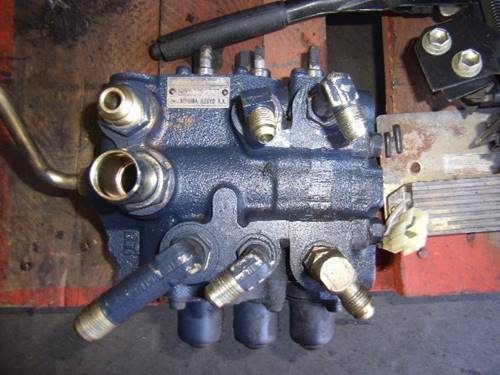
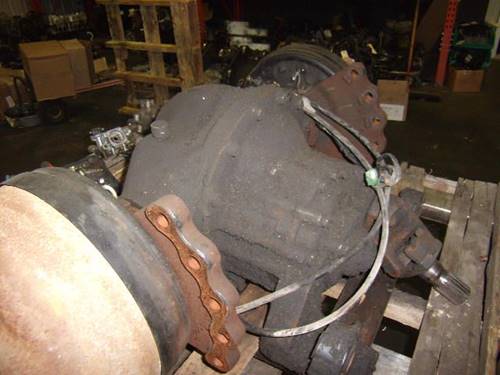
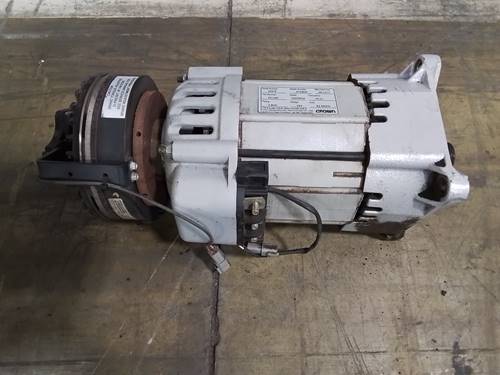
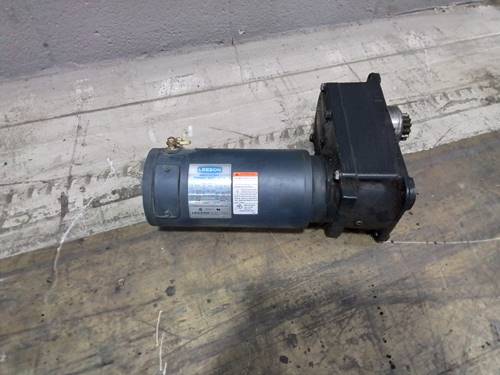
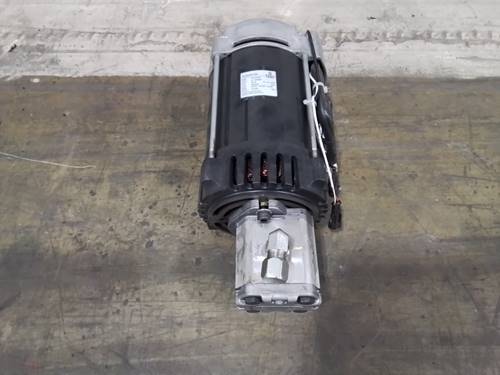
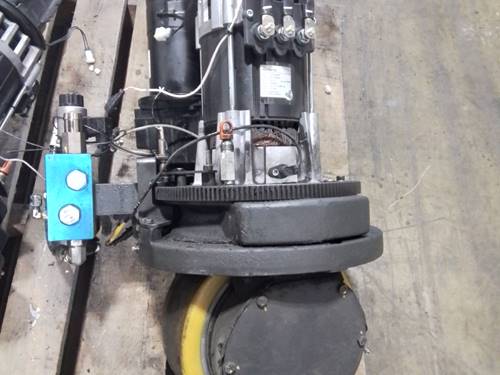
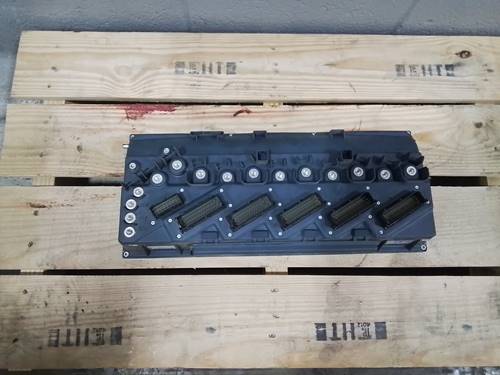
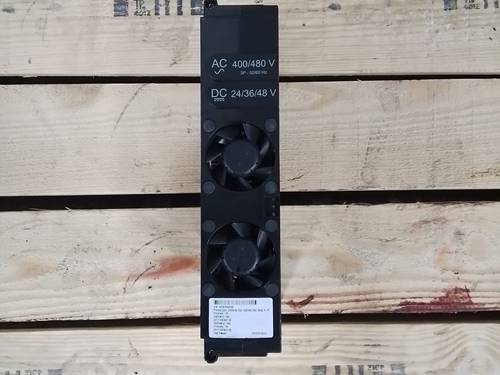
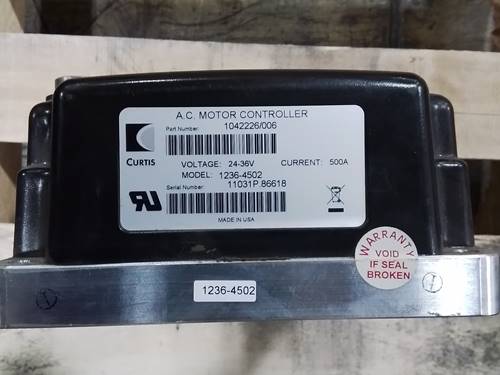
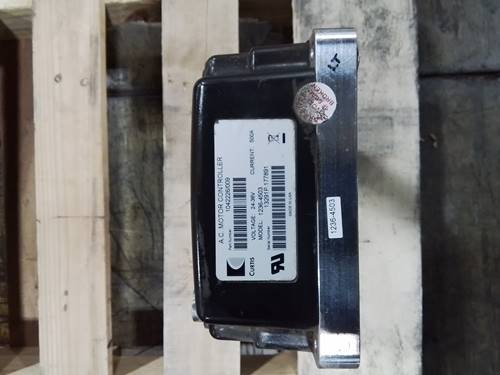
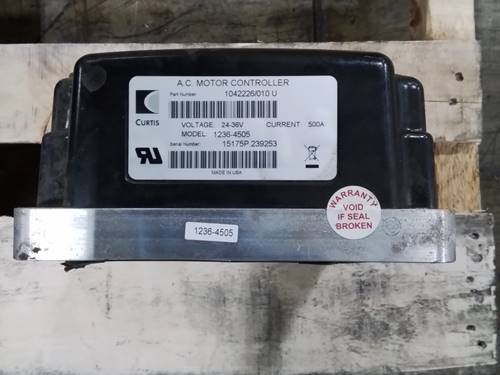
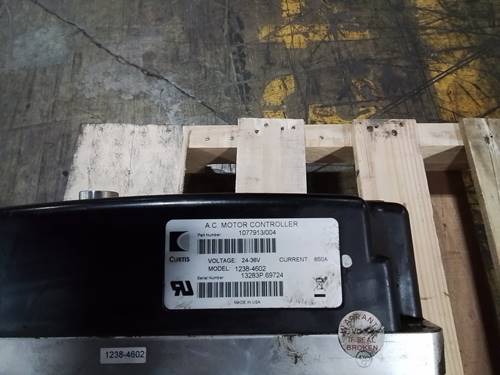
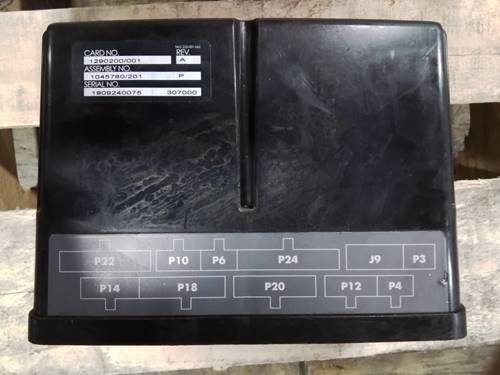
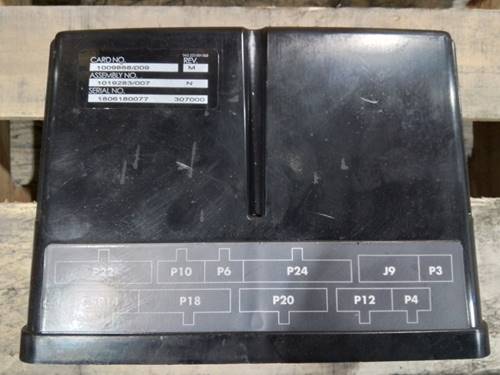
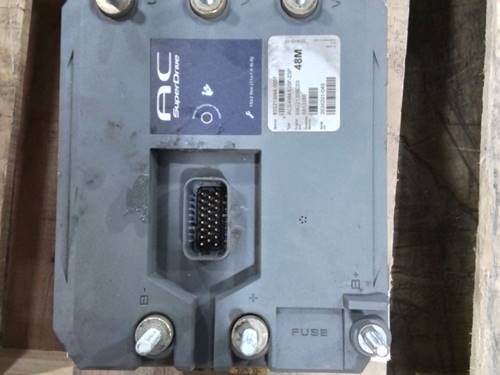
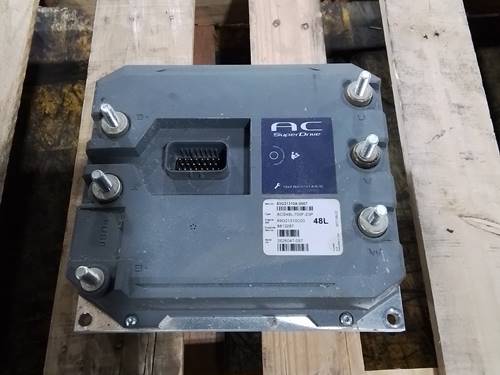
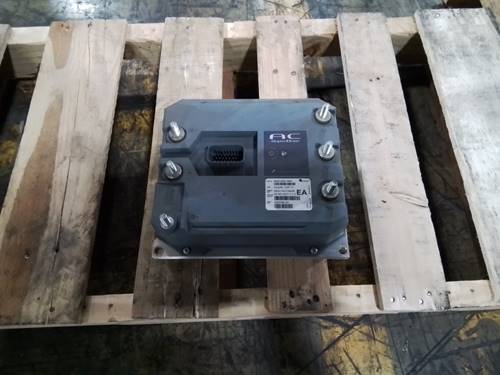
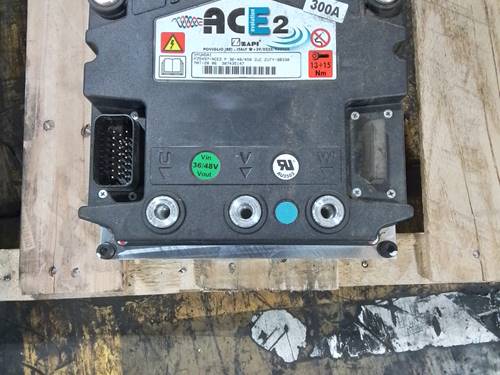
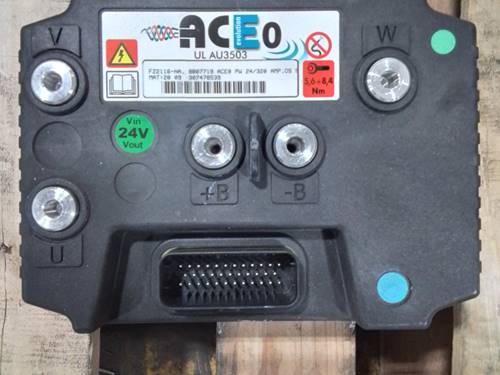
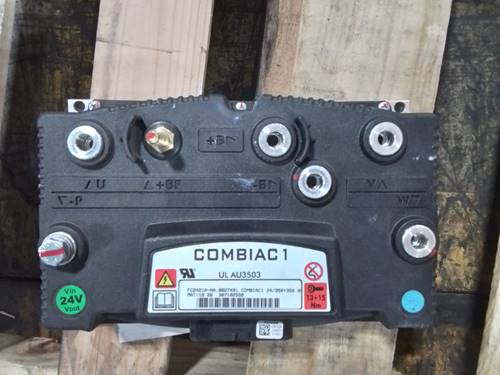
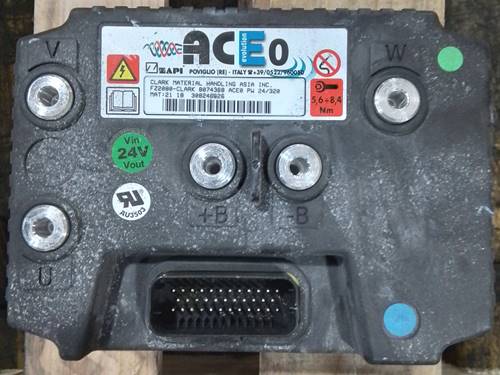
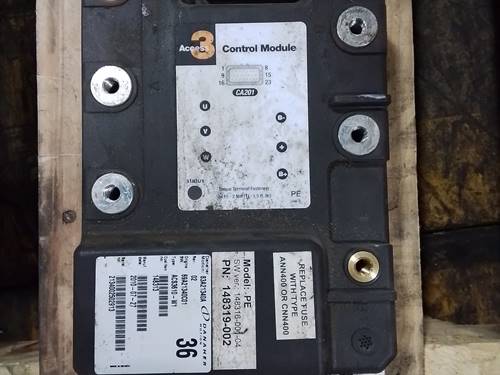
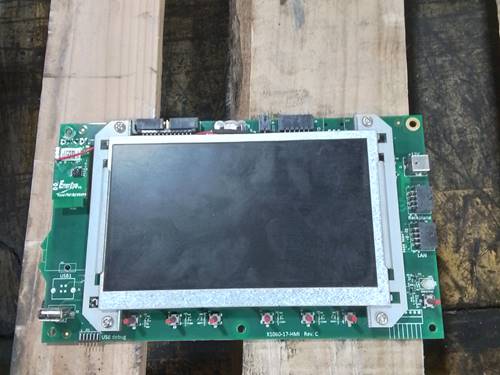
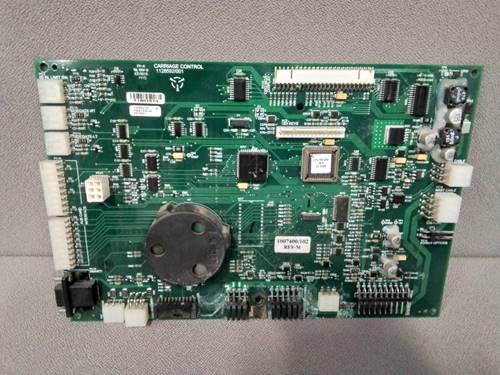
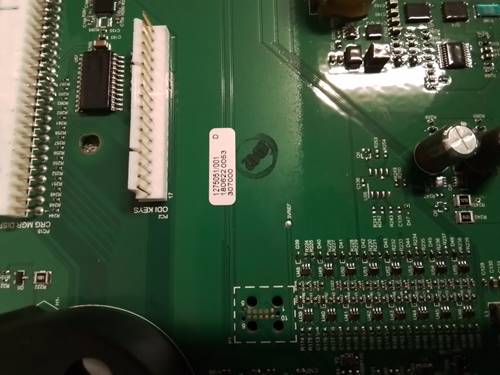
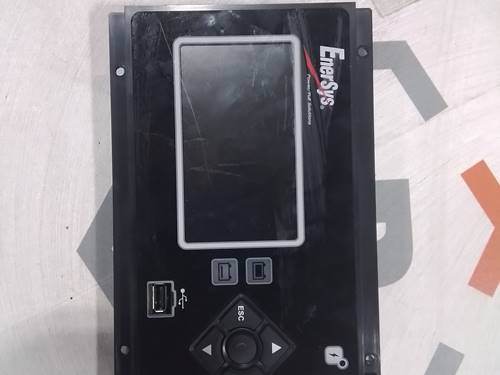
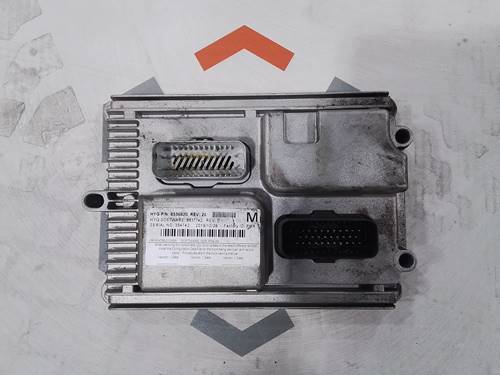
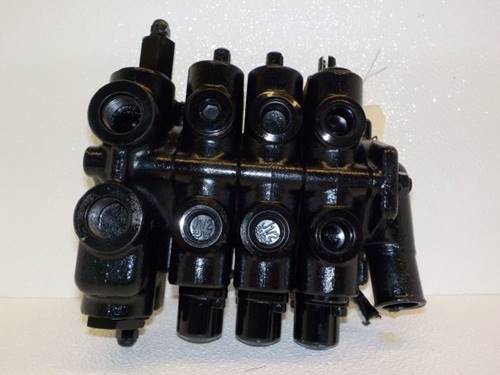
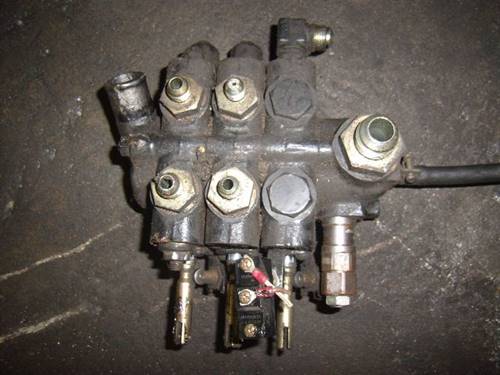
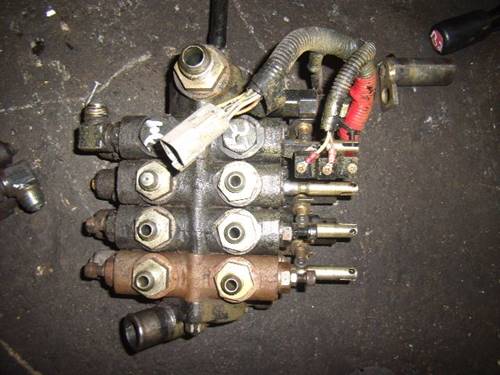
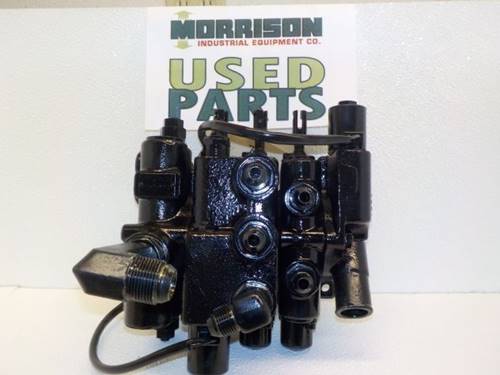
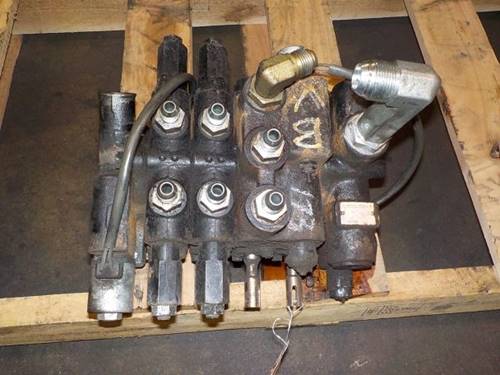
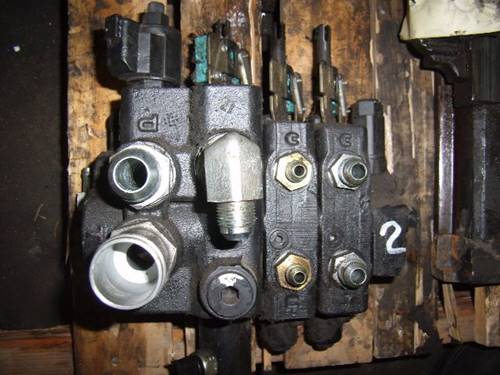
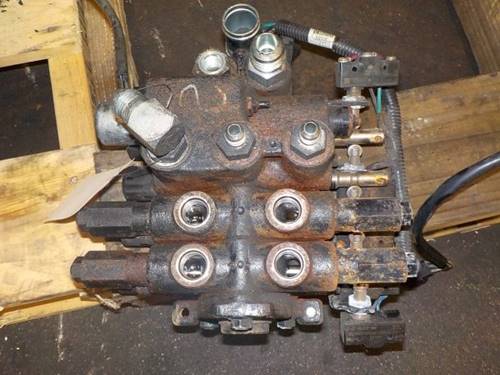
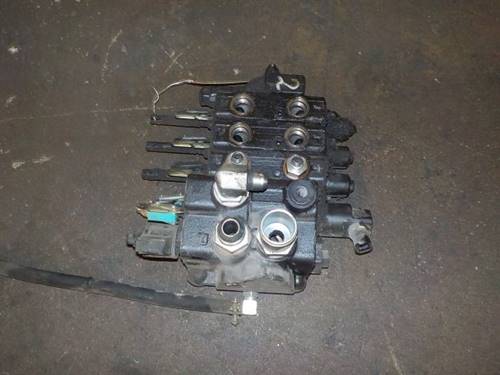
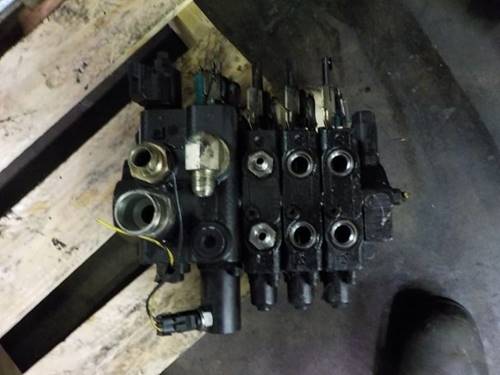
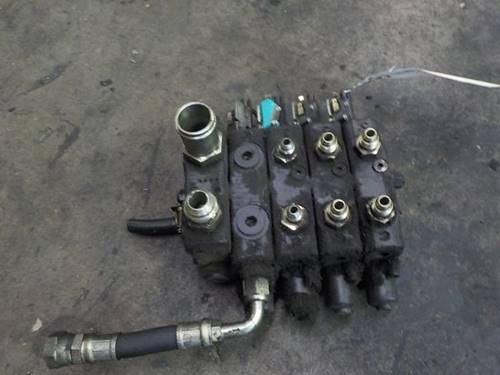
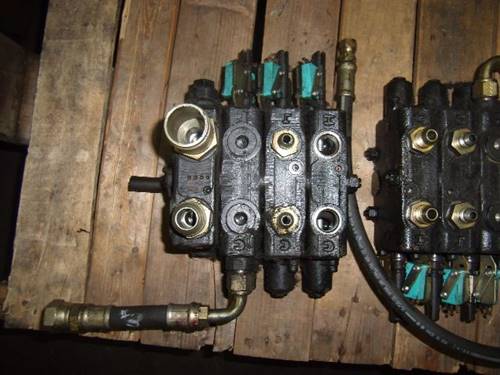
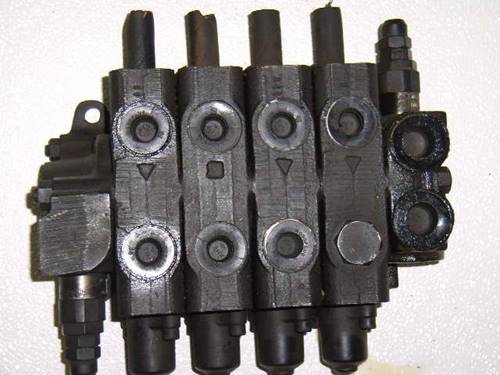
The essential component parts of a Toyota Forklift include the engine, transmission, mast, hydraulics, carriage, forks, and tire systems. Each part plays a crucial role in the efficiency and functionality of the forklift, ensuring smooth operation and handling of loads.
You should consider replacing parts on your Toyota Forklift when you notice a decrease in performance, unusual noises, or visible wear and tear. Regular maintenance checks can help identify parts that need replacement before they cause further issues. It's vital to follow the manufacturer’s recommendations for servicing to keep your forklift running optimally.
While non-OEM parts may be available at a lower cost, using OEM parts is strongly recommended for maintaining your Toyota Forklift. OEM parts ensure compatibility, reliability, and adherence to safety standards, which can ultimately result in better performance and longevity of your equipment.
When purchasing component parts for your Toyota Forklift, consider factors such as compatibility with your specific model, the quality of the parts (OEM vs. aftermarket), warranty offerings, and the credibility of the supplier. Ensuring these factors will help you get the best performance and reliability from your forklift.
Your location is Columbus, OH. Modify


 Equipment
Copyright ©2026 Eliftruck.com, Inc.
TEL: +1 (800) 867-3675
FAX: +1 (208) 330-5961
INT’L: +1 (630) 759-4799

