
Link Belt is a renowned manufacturer specializing in the production of cranes and excavators, with a strong emphasis on quality and innovation. Founded in Lexington, Kentucky, USA, Link Belt has established itself as a leader in the construction equipment industry. The company is headquartered in Lexington, where it continues to design and manufacture its cutting-edge machinery. Known for its robust and reliable equipment, Link Belt offers a range of models such as the Link-Belt 75RT rough terrain crane and the Link-Belt 250 X4 excavator. These machines are engineered to meet the rigorous demands of construction and heavy lifting applications, ensuring efficiency and safety on the job site.
Link Belt's product line is powered by advanced internal combustion engines, providing the necessary power and durability for challenging environments. Competing with industry giants like Caterpillar and Komatsu, Link Belt distinguishes itself through its commitment to innovation and customer satisfaction. The company's equipment is widely used in sectors such as construction, infrastructure development, and mining, where reliability and performance are paramount. By integrating state-of-the-art technology and maintaining a focus on customer needs, Link Belt continues to be a preferred choice for professionals seeking dependable and high-performance construction machinery.


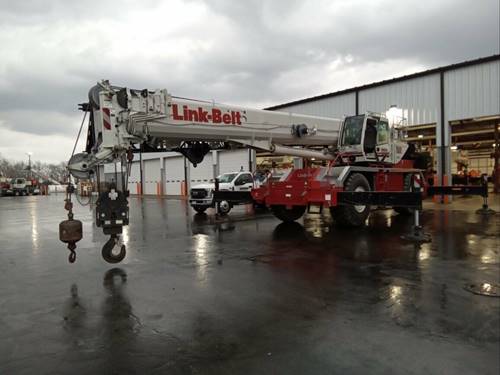
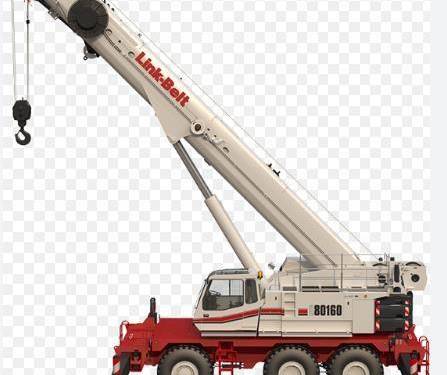
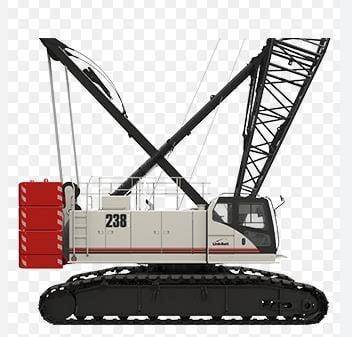
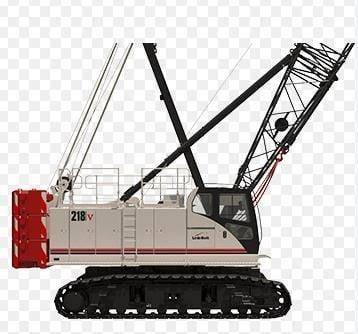
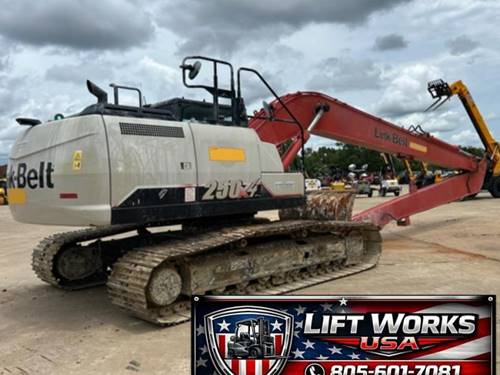
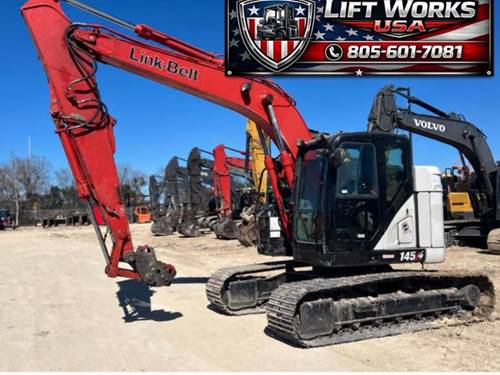
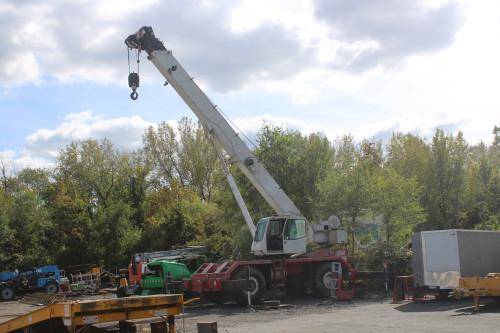
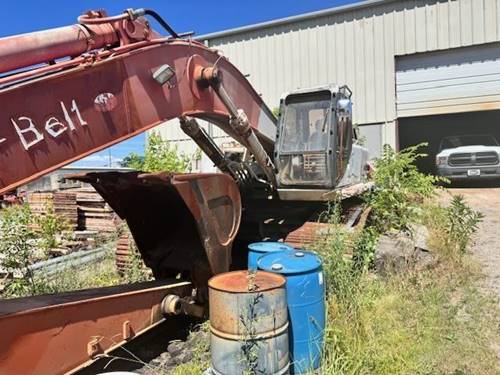
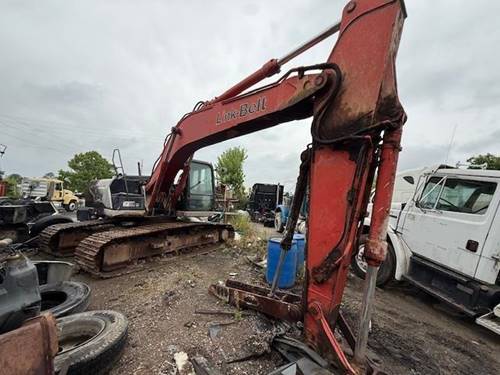
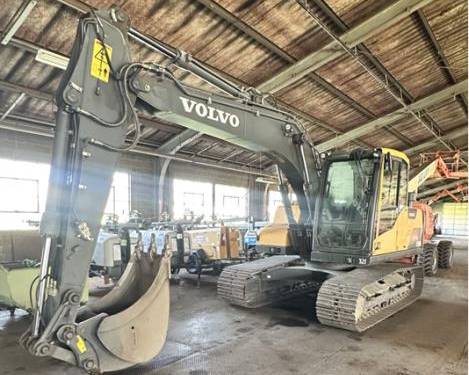
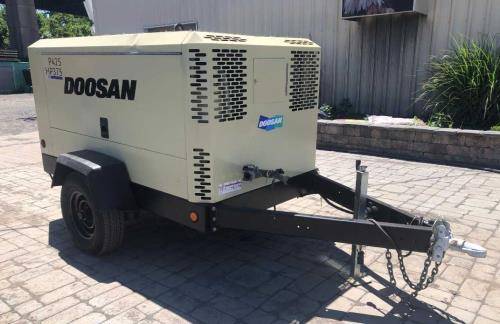
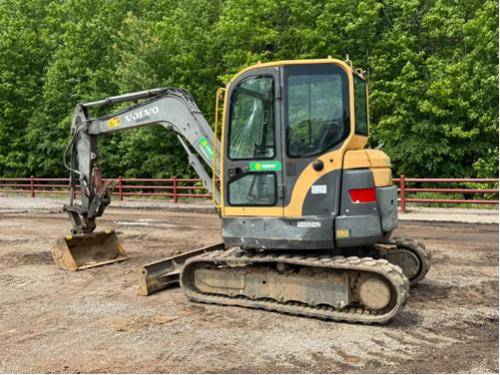
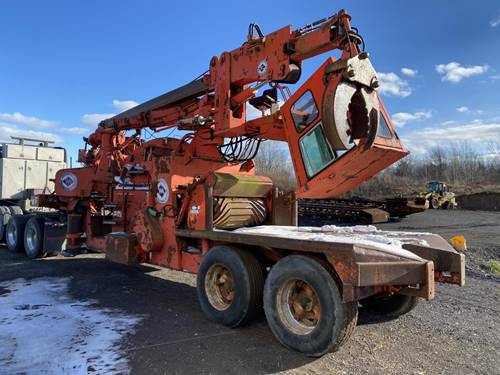
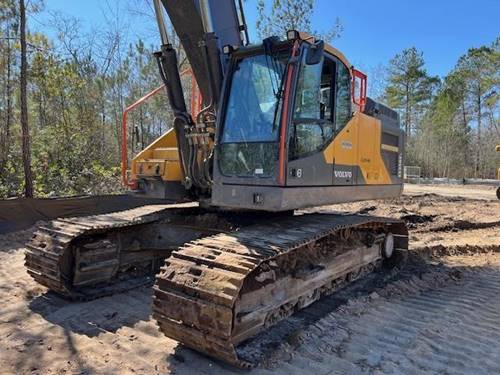
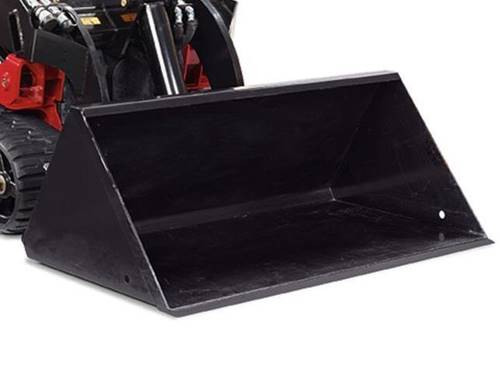
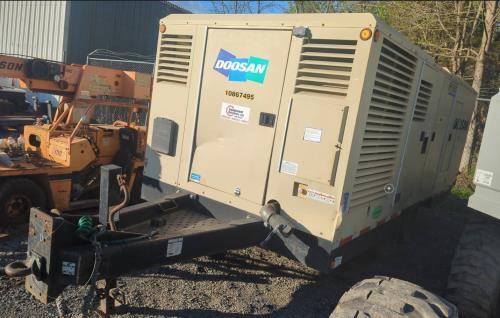
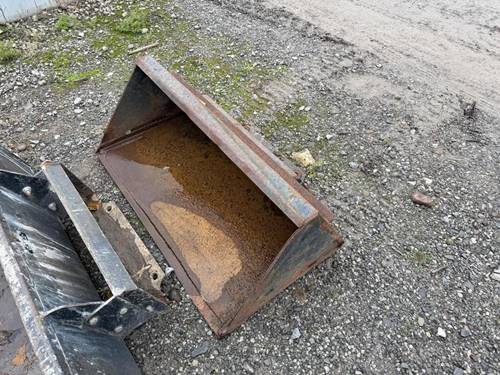
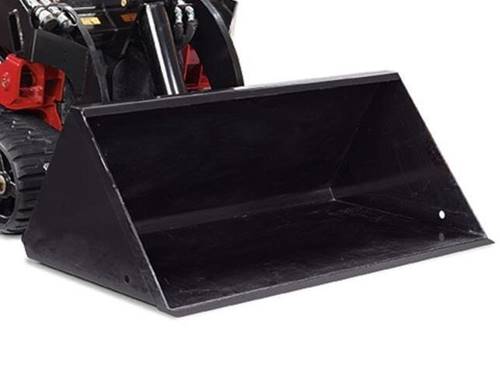
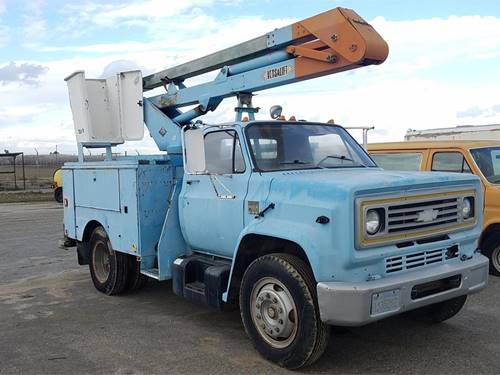
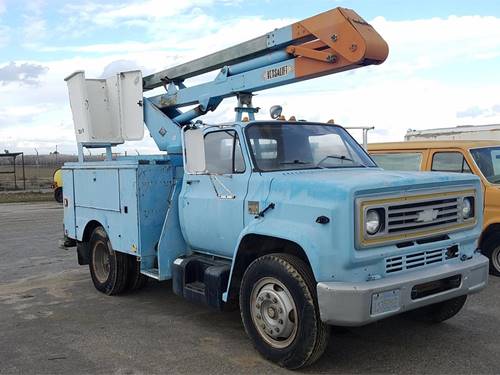
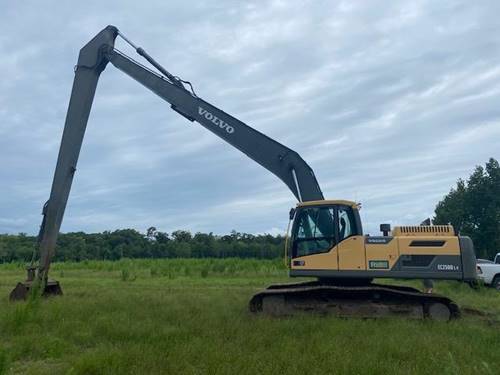
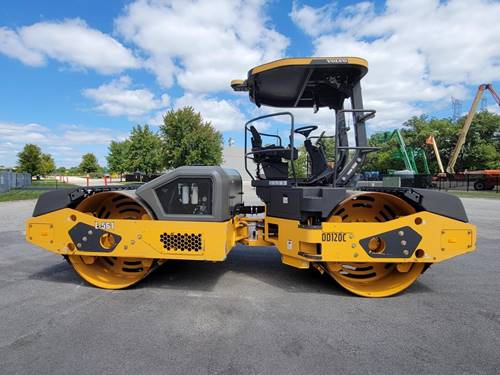
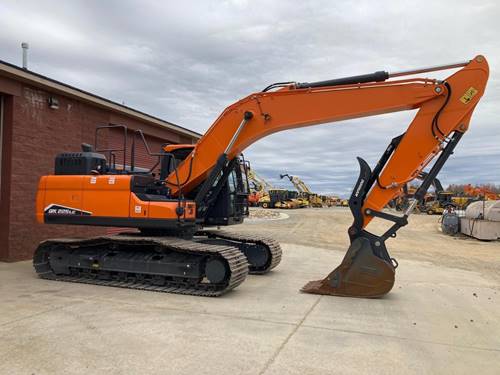
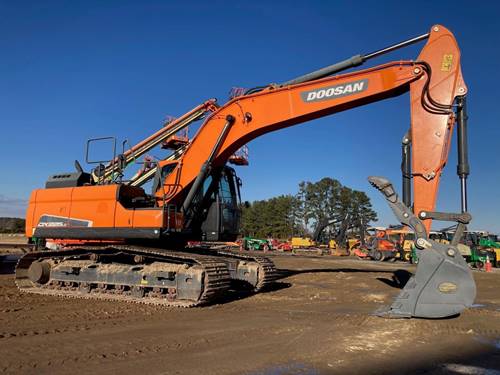
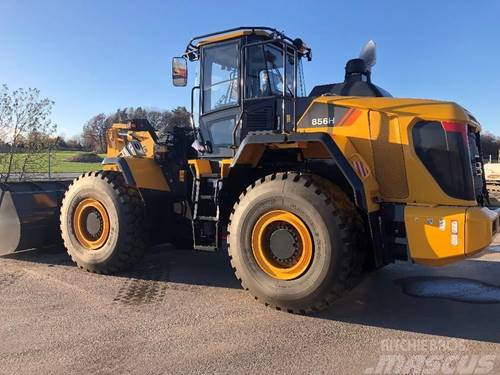
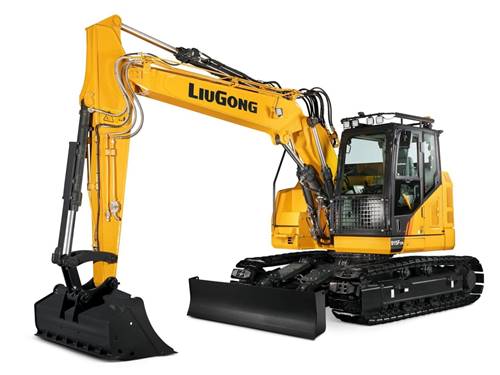
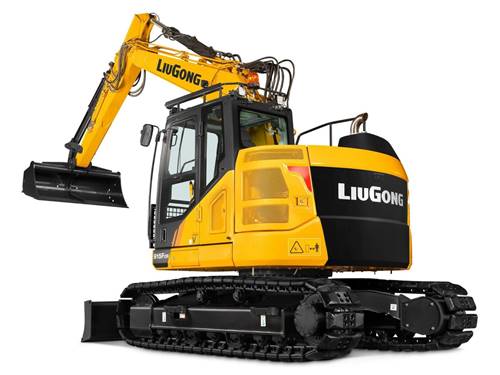


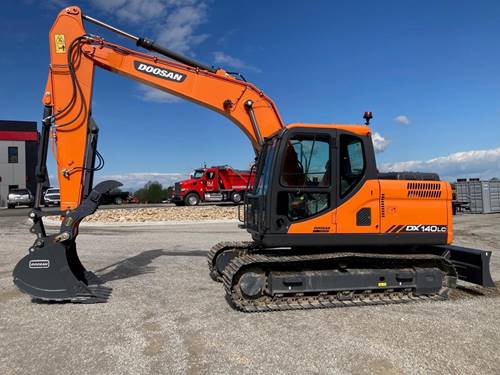
Link Belt Earth Moving and Construction equipment is designed for a variety of tasks including excavation, material handling, grading, and demolition. These machines are built to efficiently move earth and heavy materials, making them ideal for construction sites, landscaping, and civil engineering projects.
Link Belt excavators are equipped with advanced hydraulic systems, robust engines, and precise controls that enhance performance and operator comfort. Features often include a spacious cab, excellent visibility, and efficient fuel consumption, allowing for greater productivity and reduced operational costs.
Determining the right size of Link Belt equipment depends on the scale and specifics of your project. Consider factors such as the volume of material to be moved, the type of terrain, and the type of work being performed. Consulting with an equipment specialist can help ensure you select the best machine for your needs.
Regular maintenance for Link Belt construction equipment includes checking and replacing fluids, inspecting hydraulic systems, cleaning air filters, and ensuring the integrity of tracks and undercarriage. Following the manufacturer's guidelines for service intervals helps optimize performance and prolong the equipment's lifespan.
Your location is Columbus, OH. Modify


 Equipment
Copyright ©2026 Eliftruck.com, Inc.
TEL: +1 (800) 867-3675
FAX: +1 (208) 330-5961
INT’L: +1 (630) 759-4799

