


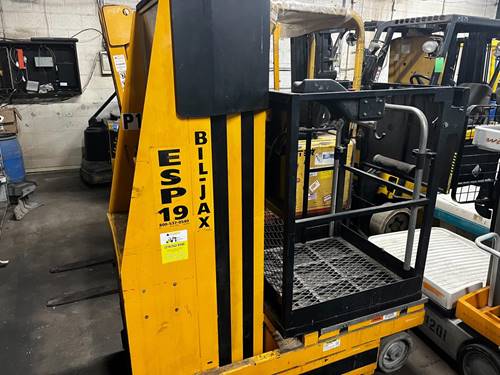
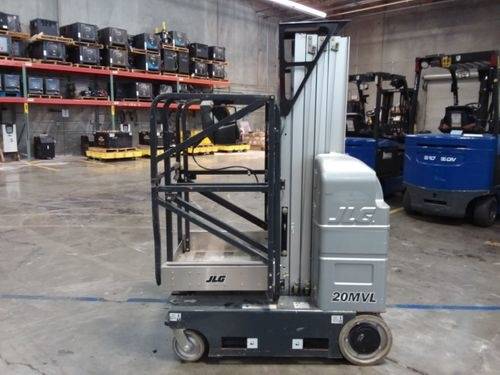
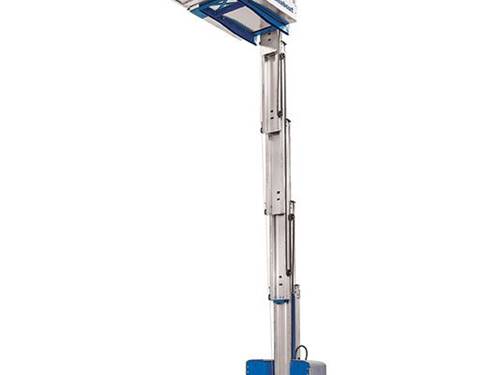
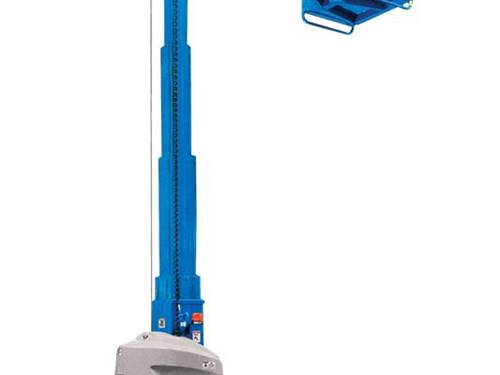
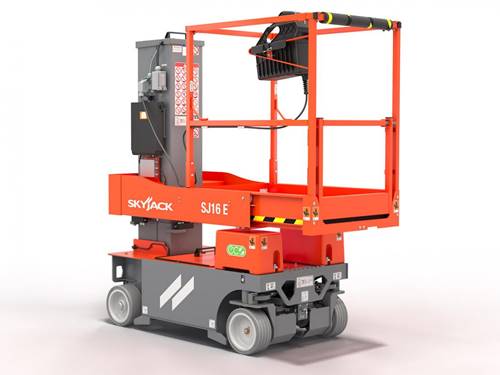
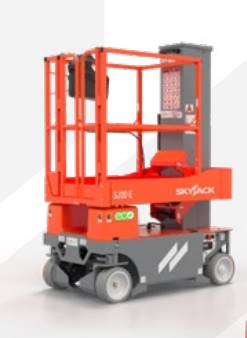
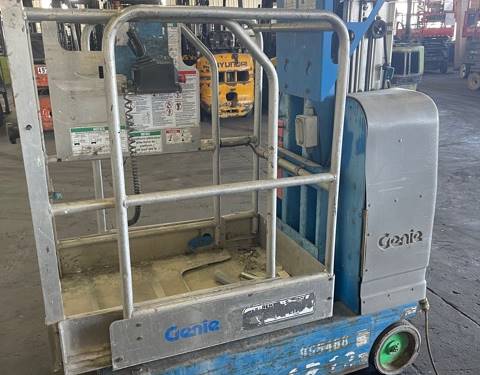
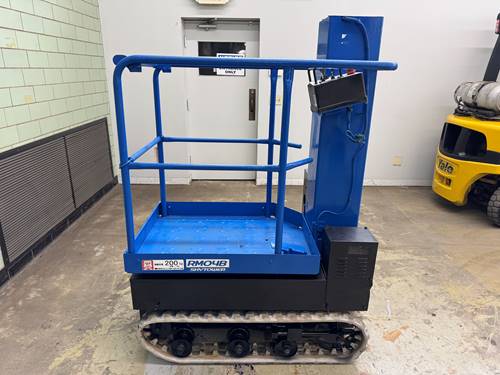

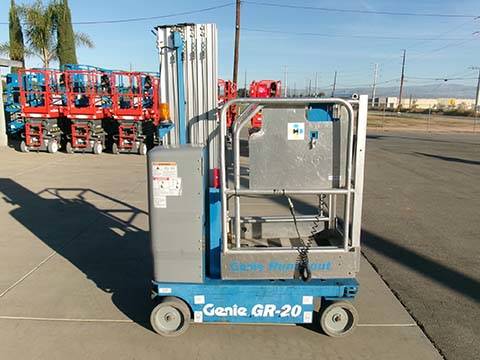
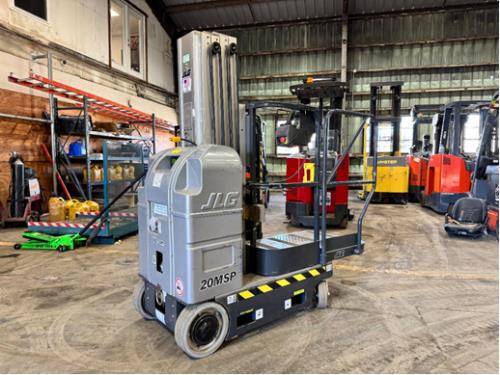
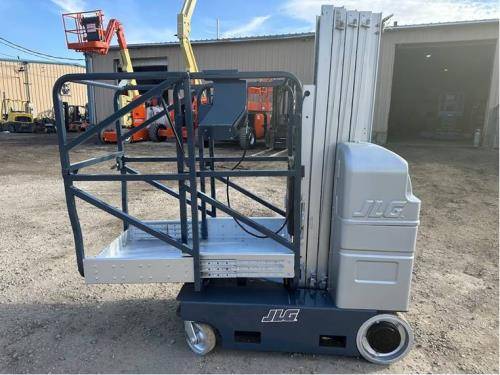
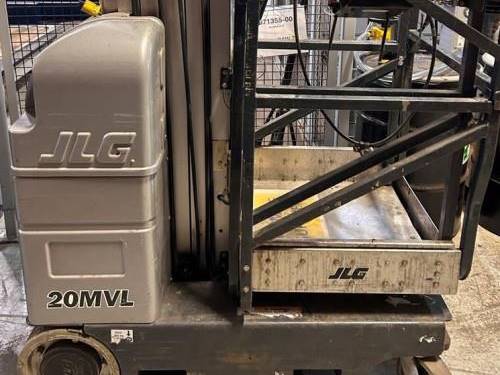
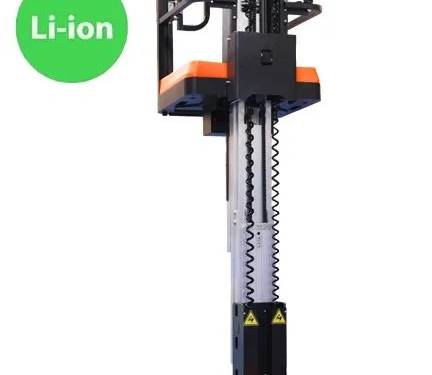
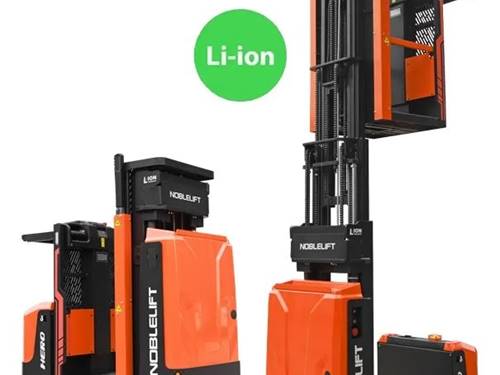
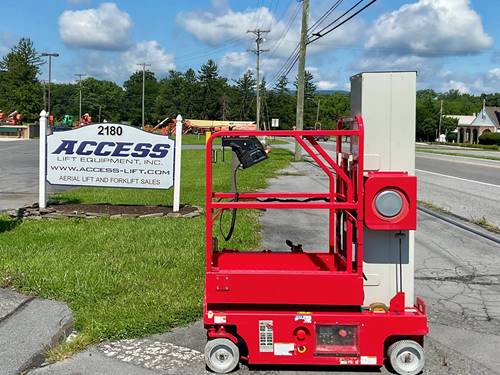
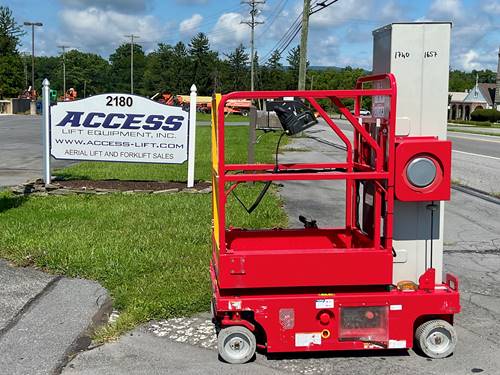
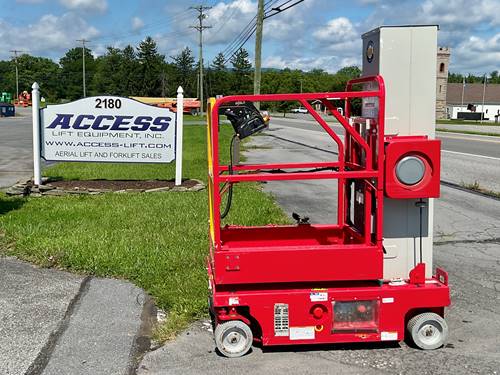
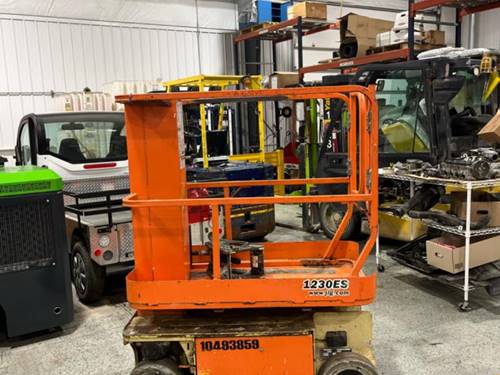
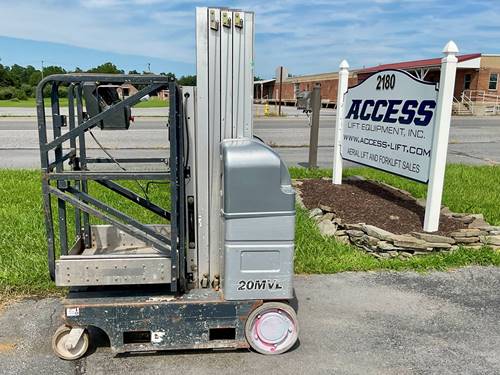
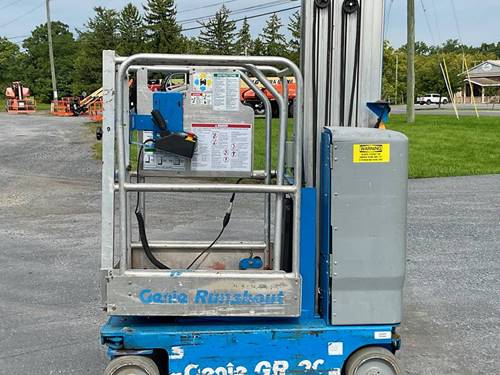
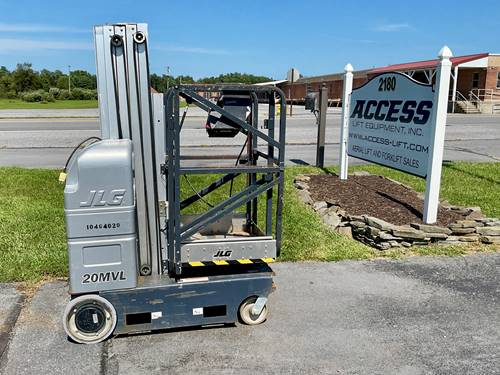
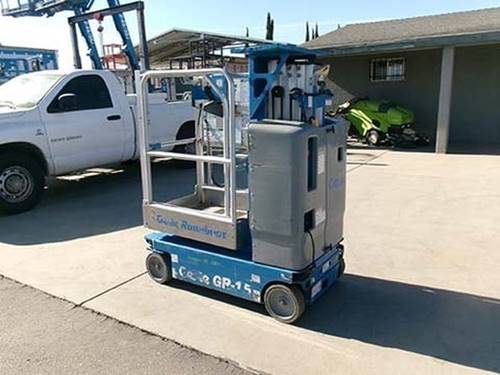
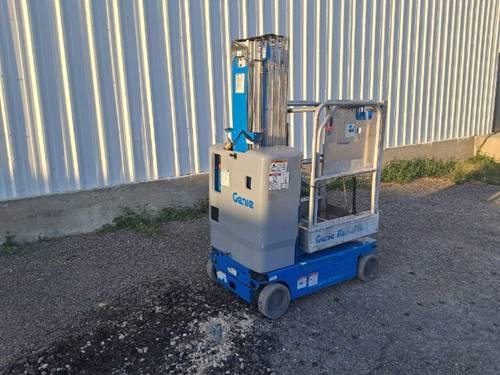
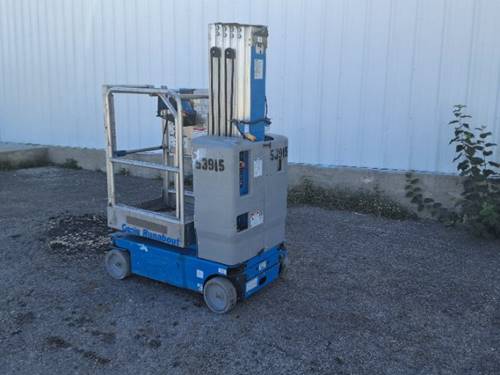
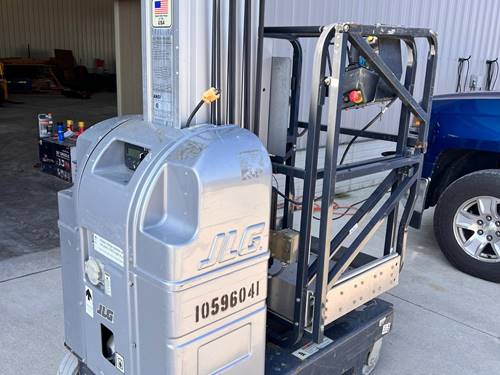
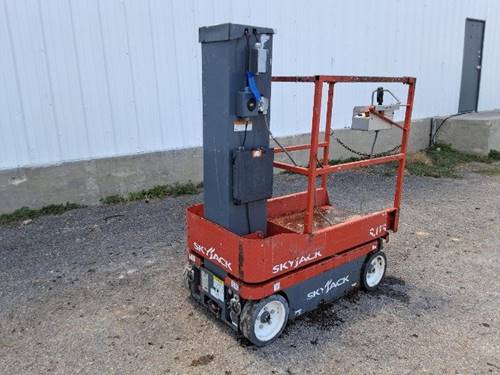
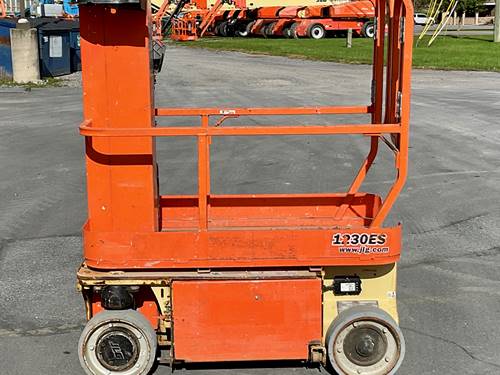
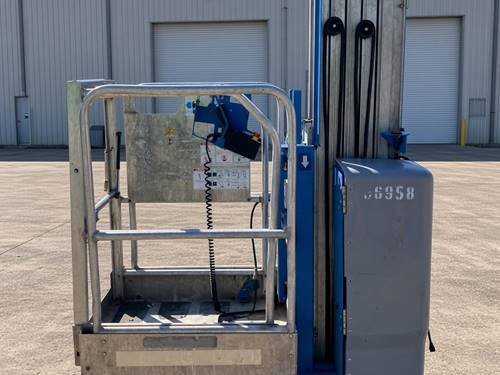
A Vertical Mast Aerial Work Platform is a type of elevated lifting equipment designed to provide access to hard-to-reach areas at heights. It features a vertical mast that extends upwards, allowing users to work safely at various elevations while maintaining a small footprint, making it ideal for indoor and outdoor tasks in tight spaces.
The weight limits for Vertical Mast Aerial Work Platforms typically range from 300 to 500 pounds, depending on the model. It's essential to check the specific model's specifications to ensure it meets the demands of your intended tasks and to follow safety guidelines to prevent overloading.
Regular maintenance of a Vertical Mast Aerial Work Platform involves checking and lubricating moving parts, inspecting the mast and platform for damage, ensuring battery charge levels are adequate, and verifying safety features are functional. Following the manufacturer's recommended maintenance schedule is crucial for safety and optimal performance.
When selecting a Vertical Mast Aerial Work Platform, look for essential safety features such as emergency stop buttons, tilt sensors, safety harness attachment points, non-slip surfaces, and automatic brakes. These features help ensure user safety while operating the platform at height.
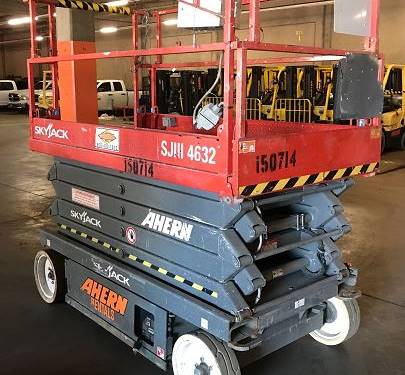
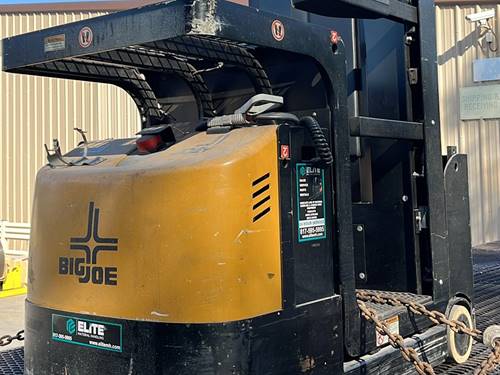
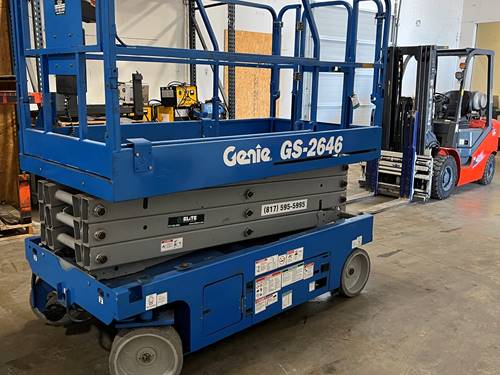
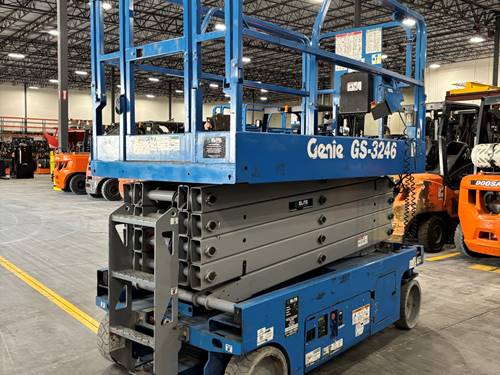
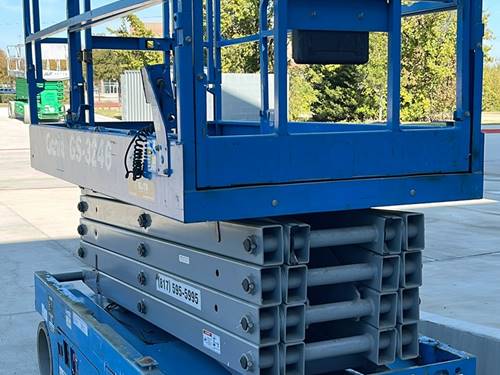
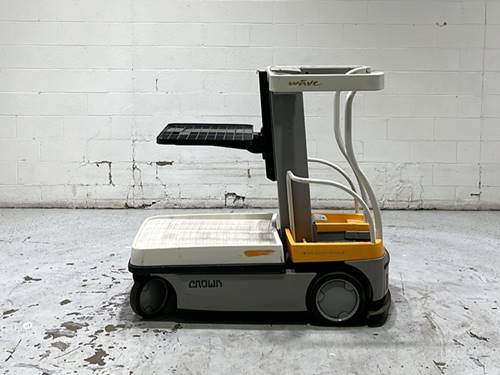
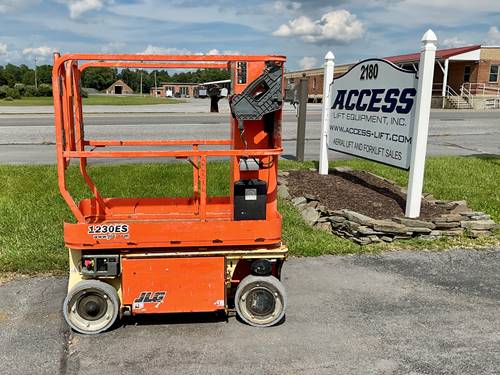
An Aerial Work Platform (AWP) is a mechanical device designed to provide temporary elevated access for people and equipment to inaccessible areas, typically used in construction, maintenance, and installation tasks. These platforms come in various types, including scissor lifts, boom lifts, and personnel lifts, each suited for different applications and work environments.
When selecting an Aerial Work Platform, it’s essential to consider safety features such as guardrails, emergency stop buttons, operator presence sensors, and tilt sensors. Additionally, look for models with safety harness attachment points and overload protection systems to ensure safe operation.
The right Aerial Work Platform for your job depends on several factors, including the height you need to reach, the weight capacity required, the terrain of the worksite, and the type of tasks you'll be performing. Evaluate these aspects carefully and consult with equipment experts if necessary to choose the model that best meets your needs.
Regular maintenance of an Aerial Work Platform is crucial for safe operation and longevity. Common maintenance tasks include checking fluid levels, inspecting mechanical components, testing safety systems, and ensuring the platform is clean and free of debris. It is recommended to follow the manufacturer’s guidelines for scheduled maintenance and to conduct daily pre-operational checks before use.
Your location is Ashburn, VA. Modify