



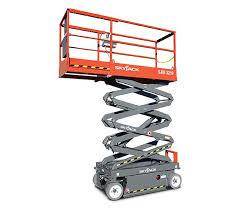
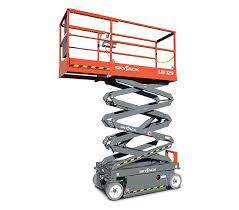
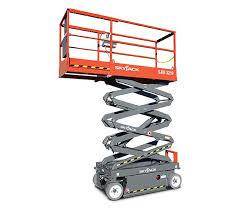
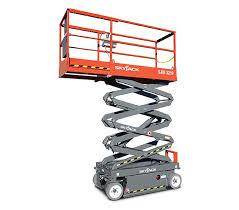
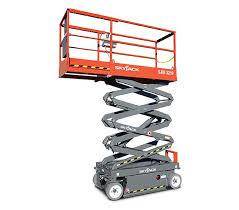
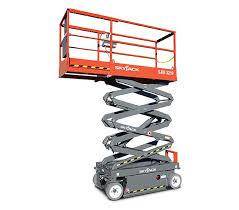
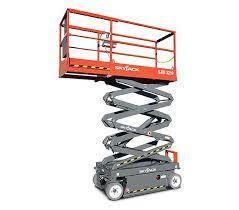
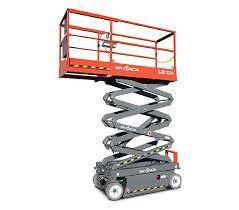
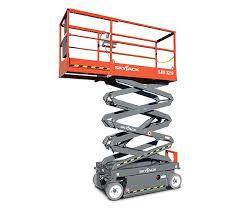
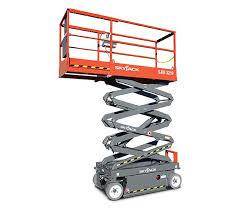
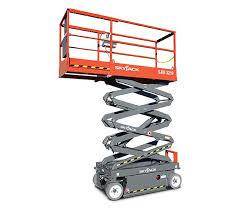
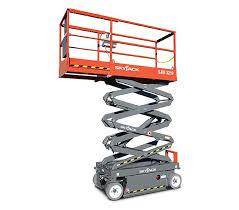
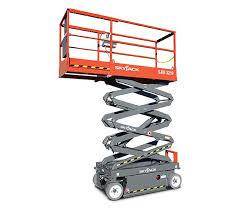
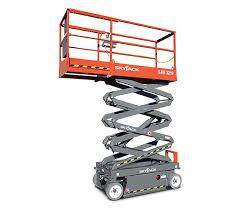
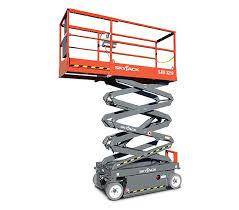
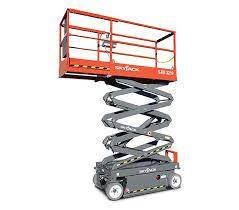
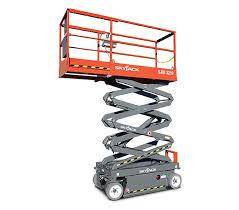
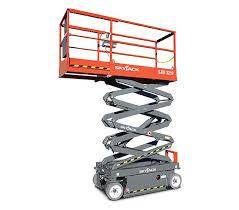
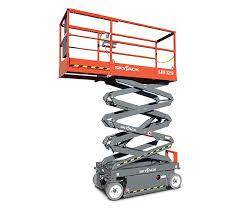
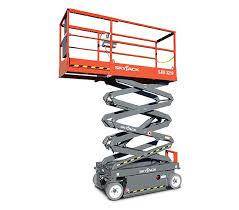
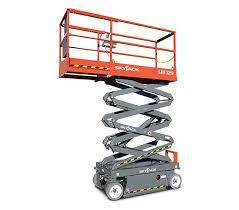
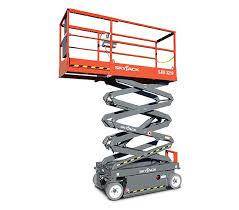
The Skyjack SJIII3219 is a compact scissor lift designed for indoor use. It has a maximum platform height of 19 feet and an overall width of 32 inches, making it ideal for navigating tight spaces. Its weight capacity is typically around 500 lbs, allowing for multiple workers or equipment to be safely lifted. With a drive speed of up to 2.0 mph, this model also features a durable design, equipped with a hydraulic system that ensures smooth operation during lifting and lowering.
Using the Skyjack SJIII3219 offers several advantages, including enhanced safety features such as automatic electric braking and non-skid surfaces on the platform. Its compact size and versatility make it suitable for a variety of indoor applications, from construction sites to maintenance work. The unit's ability to maneuver in tight spaces while offering a decent working height allows for efficient completion of tasks while maintaining worker safety and productivity. Moreover, its low maintenance costs and reliability make it a cost-effective choice for long-term use.
Yes, the Skyjack SJIII3219 is designed with transportability in mind. Its compact dimensions allow it to fit through standard doorways and into freight elevators, making it convenient for moving between job sites or locations within a site. Additionally, its lightweight structure simplifies the process of loading and unloading from trailers or trucks, enabling efficient transportation without requiring specialized equipment.
While the Skyjack SJIII3219 is primarily intended for indoor use on flat, stable surfaces, it can handle minor imperfections in flooring. However, it is not suited for rough or unsteady terrain. If you need to operate on uneven ground, consider looking into models that are specifically designed for outdoor use or that feature rough terrain capabilities. Always assess the ground conditions before deploying the scissor lift to ensure safety and optimal performance.
Regular maintenance is crucial for the longevity and safe operation of the Skyjack SJIII3219. This includes routine checks of the hydraulic system, battery maintenance, and ensuring all safety features are functioning properly. Additionally, visual inspections for any signs of wear or damage should be conducted before each use. Following the manufacturer’s maintenance schedule, which is outlined in the owner's manual, will help keep the equipment in excellent working condition and reduce the risk of unexpected downtime.
Your location is Columbus, OH. Modify


 Equipment
 Close
Close

Copyright ©2026 Eliftruck.com, Inc.
TEL: +1 (800) 867-3675
FAX: +1 (208) 330-5961
INT’L: +1 (630) 759-4799
