


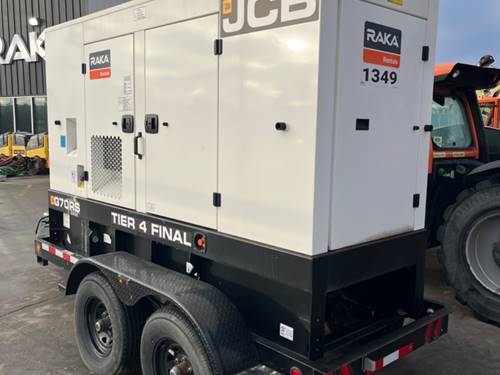
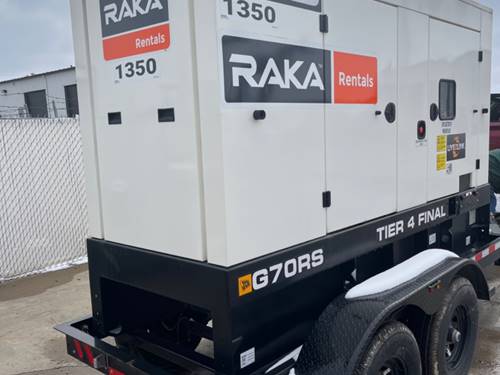
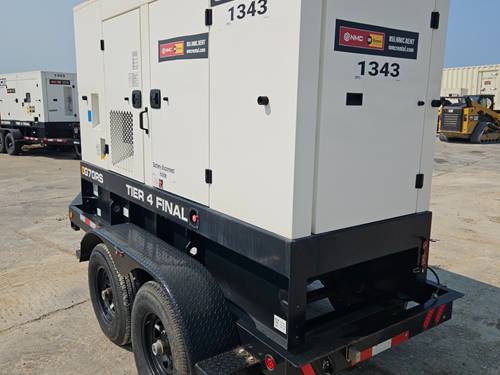
Calculate your power requirements by tallying both the running (continuous) watts and the starting (surge) watts for all equipment you plan to operate simultaneously. Electric motors, compressors, and pumps routinely draw two to three times their operational wattage upon startup, so sizing your generator with a 20% to 25% safety margin prevents breaker trips and premature engine strain.
Standby generators are rated to supply emergency backup power for the duration of a utility outage under fluctuating loads. Prime power units are designed to serve as the primary source of variable electricity for indefinite run hours, while continuous power units are built to supply a steady 100% constant electrical load without variation indefinitely.
Commercial inverter generators and modern synchronous units equipped with Automatic Voltage Regulators (AVR) maintain a Total Harmonic Distortion (THD) level below 3% to 5%. This stable voltage and clean sine wave protect digital instrumentation, computers, variable-frequency drives, and battery chargers from harmonic damage.
Standard maintenance intervals require engine oil and filter replacements every 100 to 250 operating hours, alongside regular inspections of fuel filters, air filters, and coolant levels. Units running on standby duty should also be exercised monthly under load to purge moisture from the windings and prevent fuel degradation.
Your location is Columbus, OH. Modify


 Equipment
 Close

Copyright ©2026 Eliftruck.com, Inc.
TEL: +1 (800) 867-3675
FAX: +1 (208) 330-5961
INT’L: +1 (630) 759-4799
