


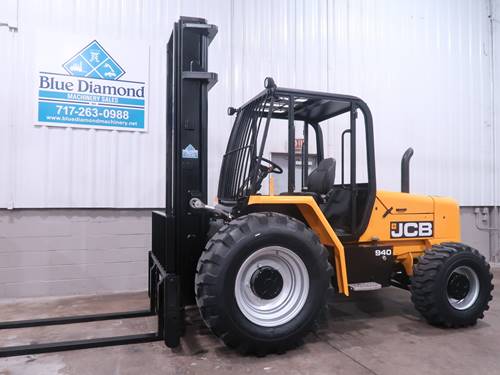
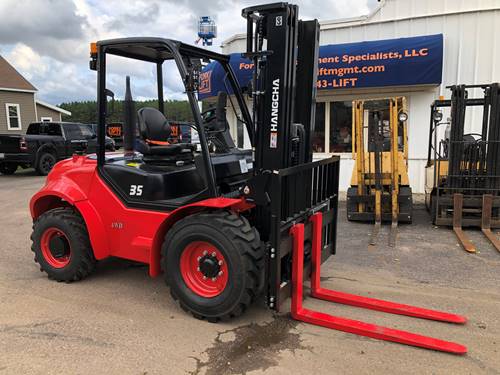
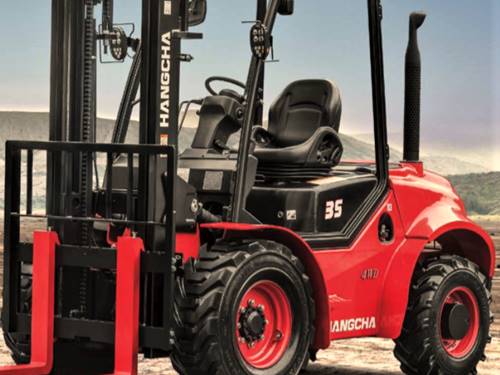
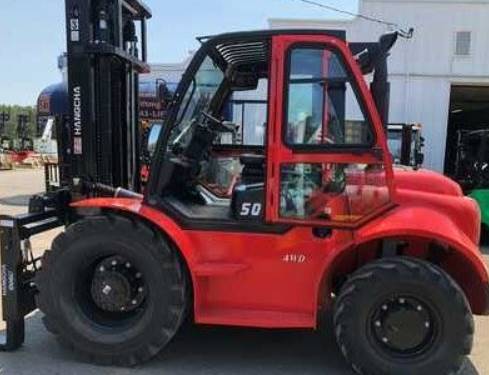
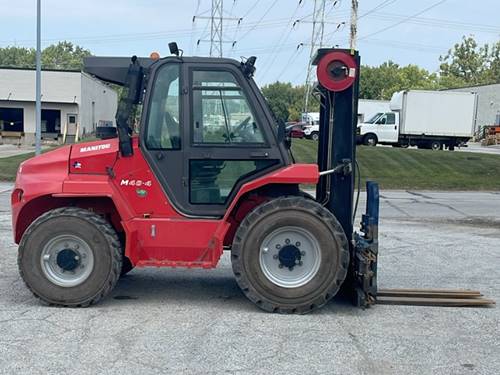
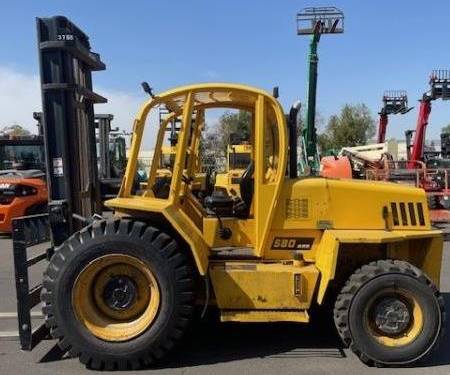
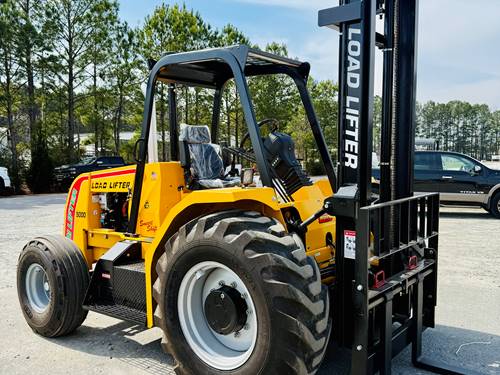
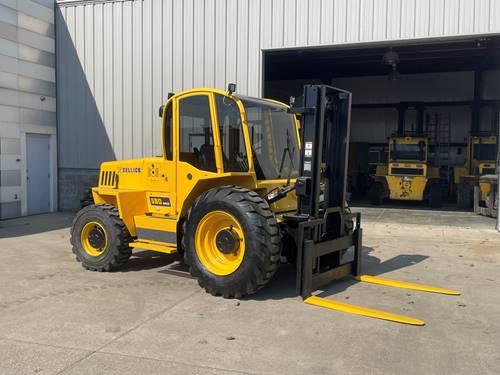
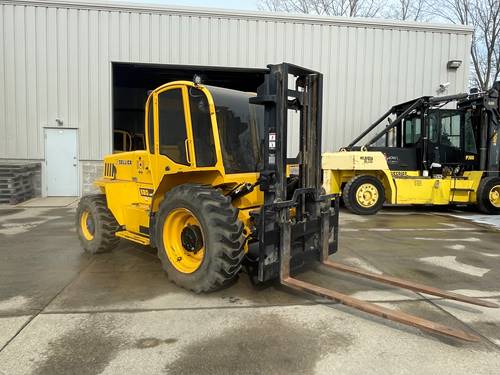
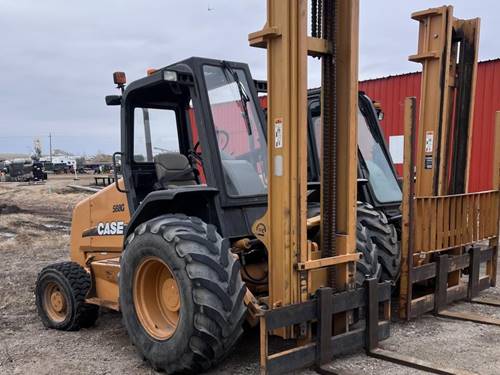
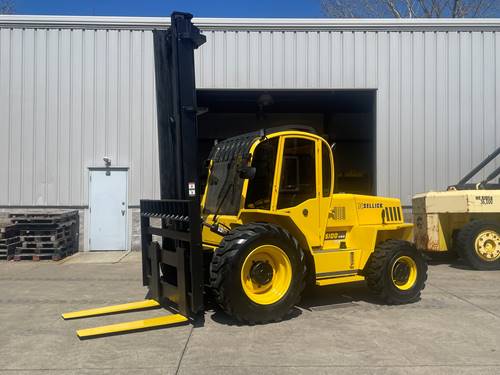
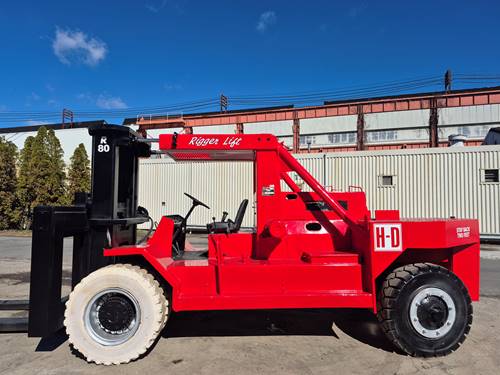
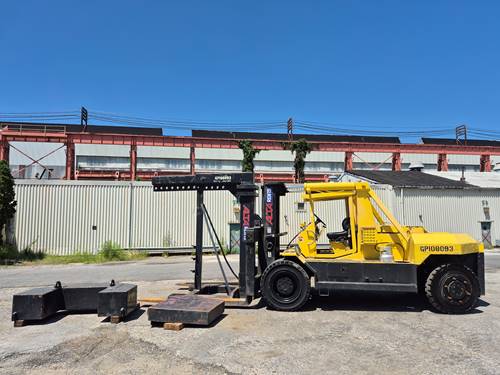
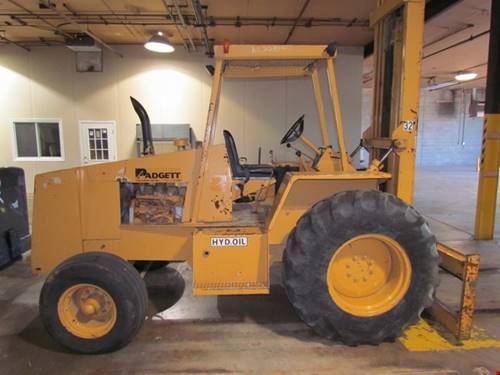
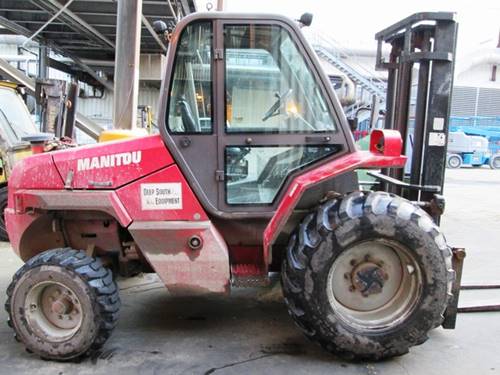
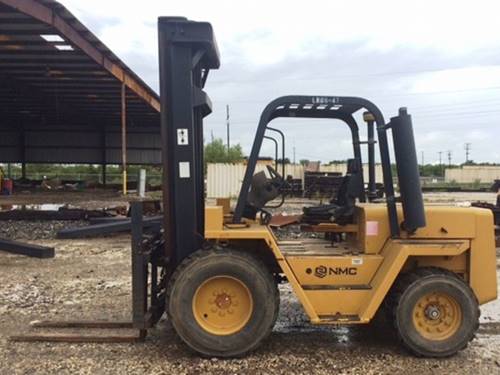
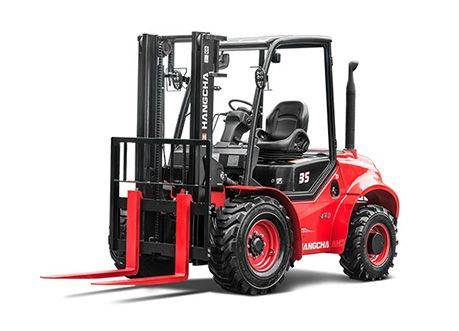
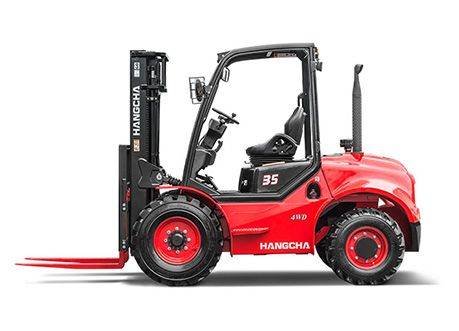
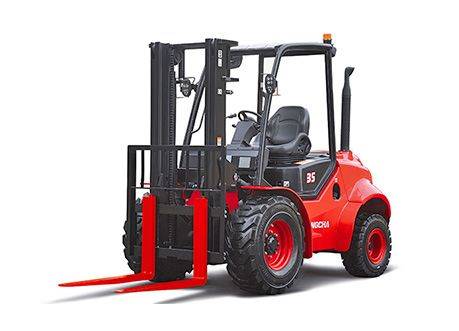
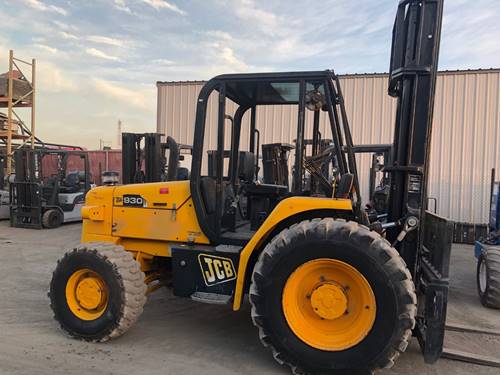
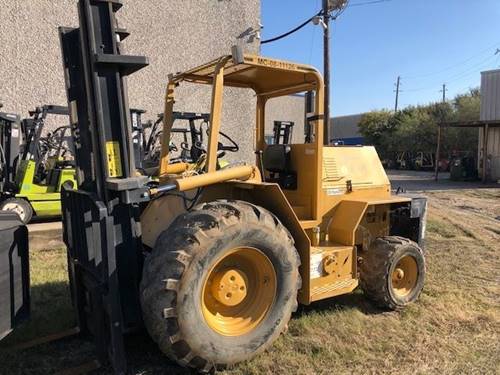
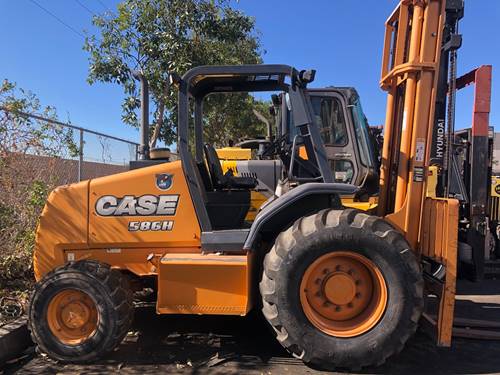
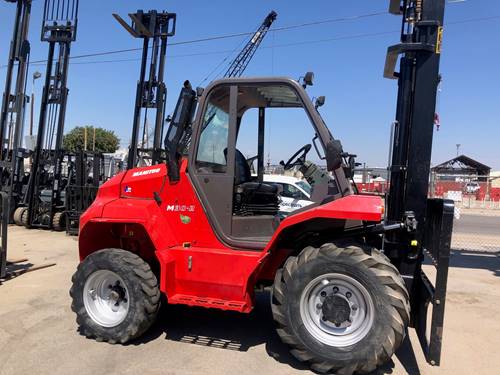
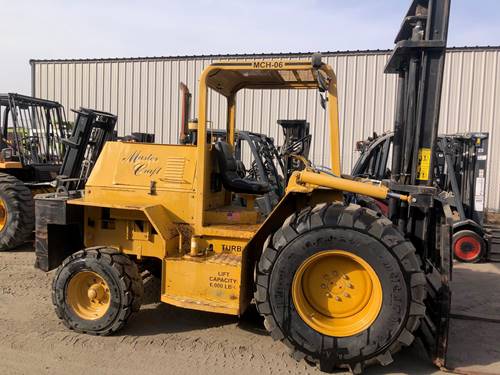
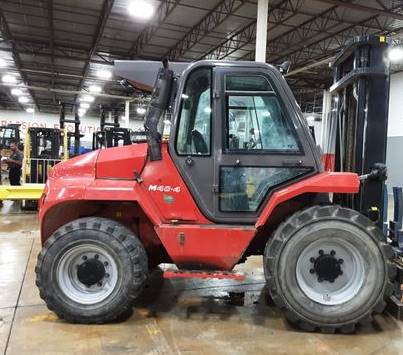
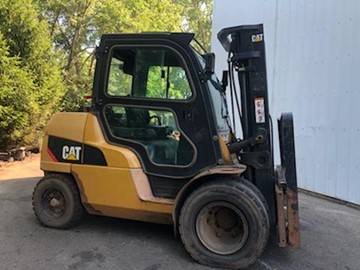
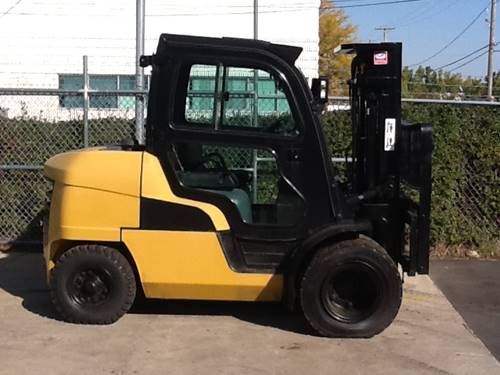
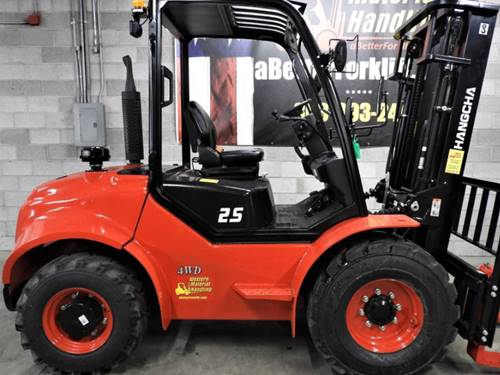
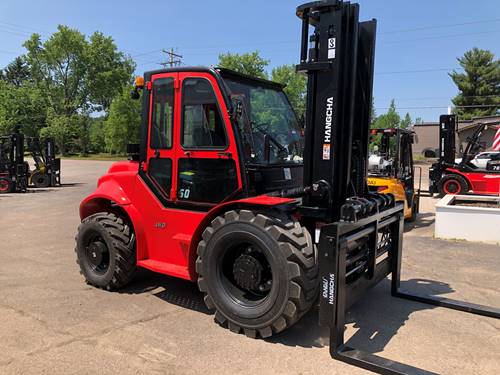
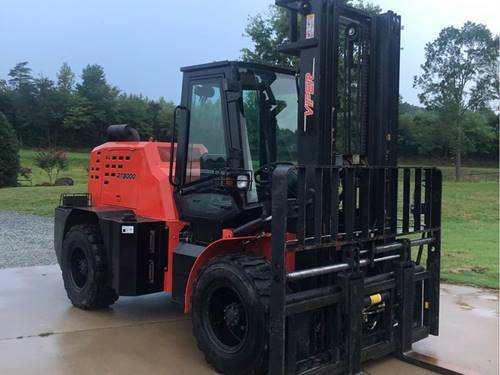
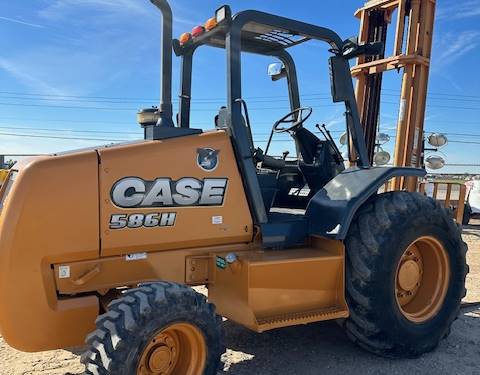
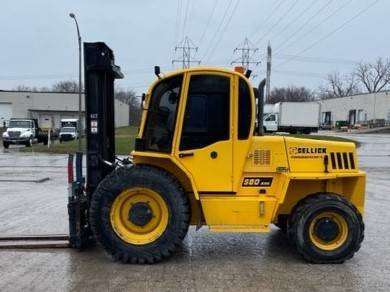
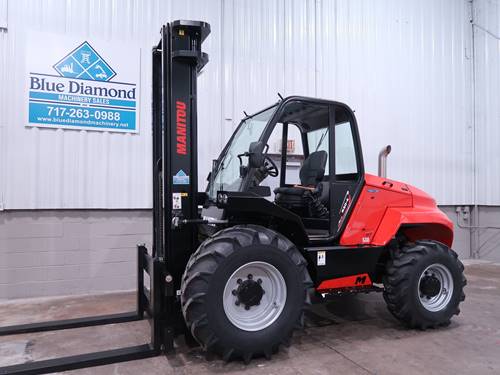
A Rough Terrain Vertical Mast Forklift is a specialized piece of equipment designed for lifting and transporting heavy loads on uneven and rough surfaces. It features a vertical mast for improved lifting capacity and height, making it ideal for construction sites and agricultural applications.
Key benefits include enhanced stability on rough terrains, greater lifting height and capacity, and improved maneuverability in confined spaces. These forklifts also typically have larger tires and robust construction to handle challenging environments.
The lifting capacity of a Rough Terrain Vertical Mast Forklift varies by model, but they can typically lift loads ranging from 2,500 to 5,500 pounds. It’s important to check the specifications of the specific model for accurate capacity information.
Yes, operator training is highly recommended and often legally mandated for using a Rough Terrain Vertical Mast Forklift. Proper training ensures safety, compliance with regulations, and effective operation of the equipment in various work environments.
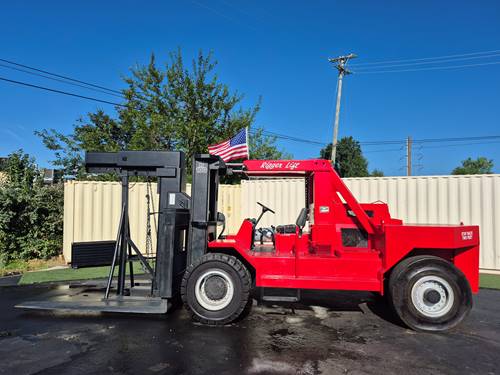
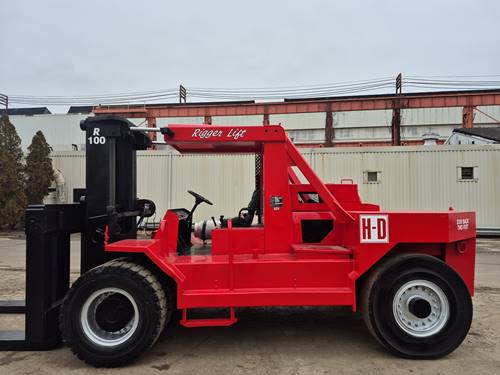
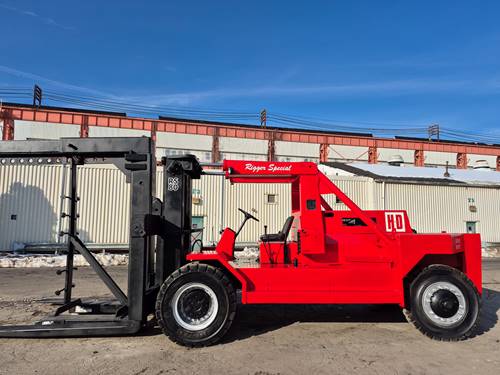
The maximum lifting capacity of a forklift typically ranges from 3,000 lbs to 80,000 lbs, depending on the model and specifications. It's important to check the manufacturer's guidelines to ensure safe handling of loads that match the forklift's rated capacity.
There are several types of forklifts available, including electric forklifts, internal combustion forklifts (gasoline, diesel, or propane), narrow aisle forklifts, and rough terrain forklifts. Each type is designed for specific applications and environments, so it's crucial to choose the right one based on your material handling needs.
Regular maintenance is key to prolonging the life of a forklift. This includes daily checks of fluid levels, inspecting tires for wear, ensuring safety equipment is functioning, and following a scheduled service interval for more in-depth mechanical checks. Always refer to the manufacturer's maintenance guidelines for best practices.
When purchasing a forklift, look for safety features such as an anti-tip mechanism, load backrest extensions, seat belts, and clear visibility from the operator's seat. Additionally, consider models that include alarms for overloading and lights for better visibility in low-light conditions.
Your location is Ashburn, VA. Modify