
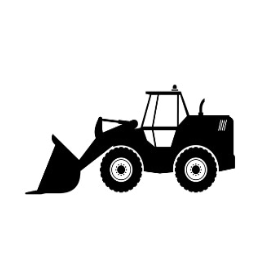
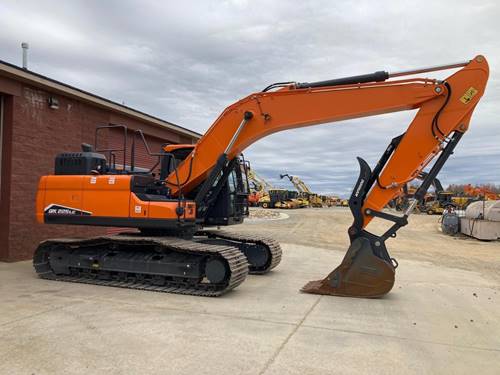
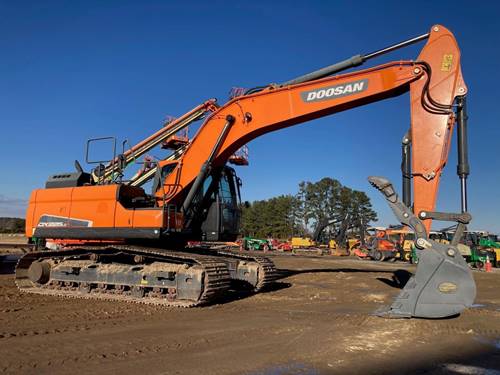
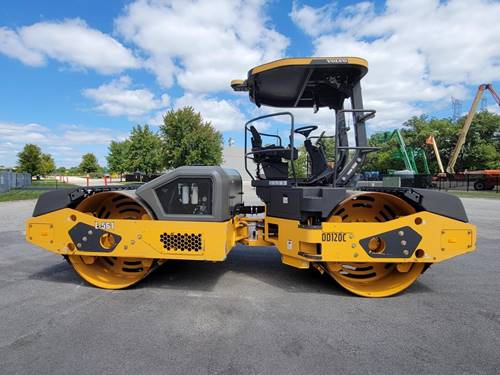
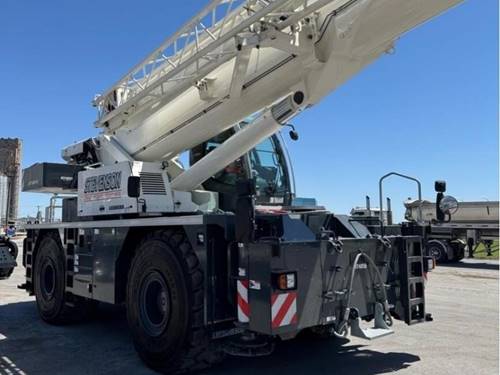
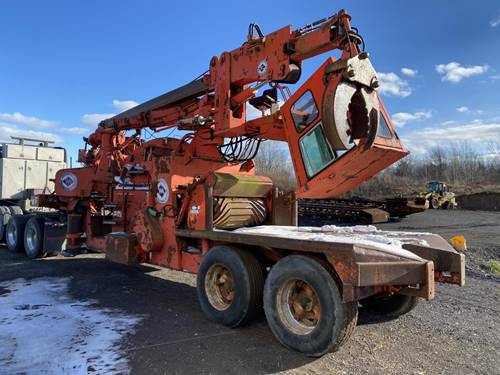
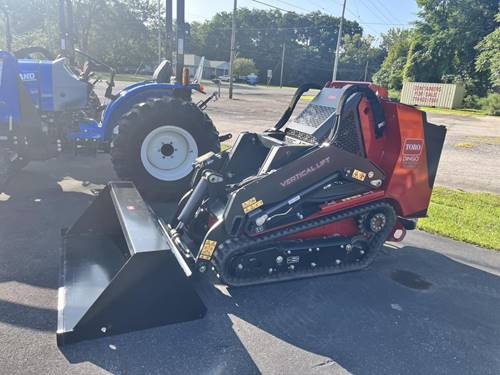
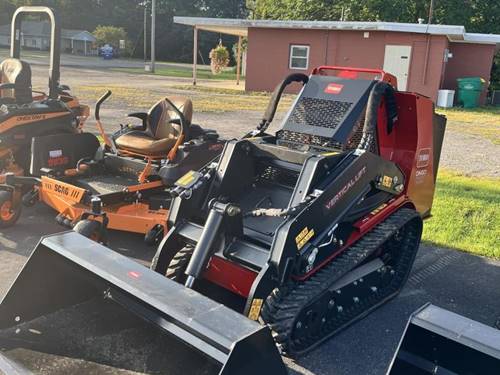
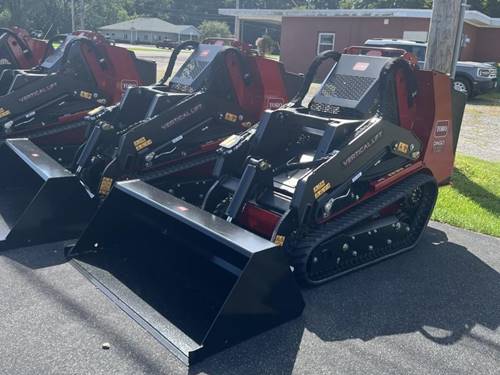
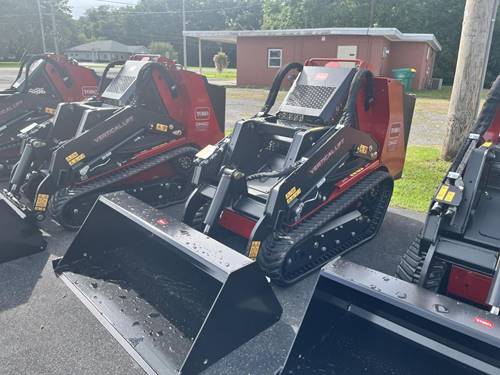
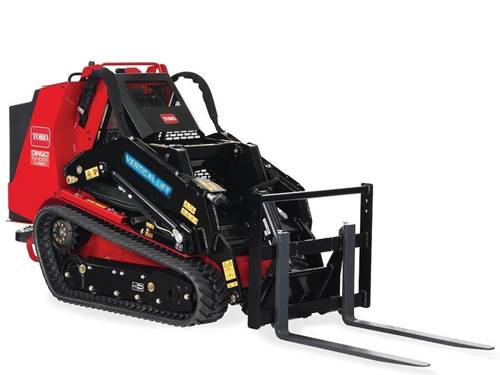
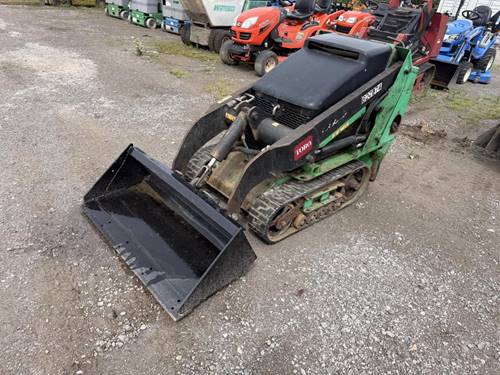
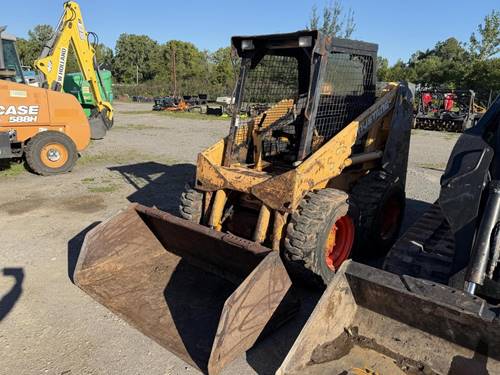
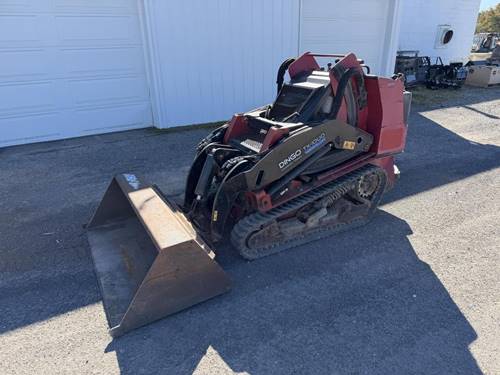
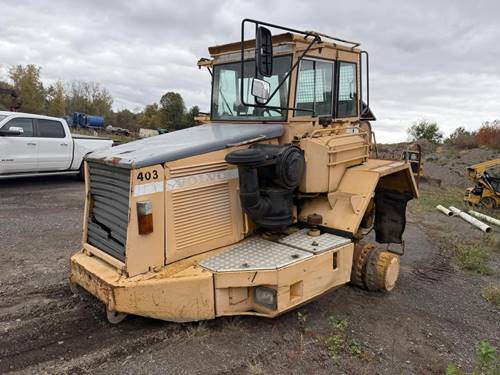
'Earth Moving and Construction' in the context of forklift products refers to a category of heavy-duty machinery and equipment custom-built to accomplish a broad spectrum of construction tasks, particularly ground excavation and relocation of materials. Such machines, including loaders, excavators, and backhoes, are vital in various construction, mining, and excavation scenarios, offering robust functionality to handle strenuous tasks effortlessly. When considering purchasing these pieces of equipment, key factors to consider include the machine's weight lifting capacity, size, durability, fuel efficiency, and the terrain it is designed to operate on. The most popular types include compact utility loaders, skid steer loaders, and telescopic handlers each with unique capabilities, strengths, and purposes. With numerous models and manufacturers in the market, it's essential to discern which specifications meet your project's demands optimally. Whether you're operating in the construction, mining, or landscaping industry, these 'Earth Moving and Construction' forklift products have proven to be essential assets, making the job more efficient, safer, and cost-effective.


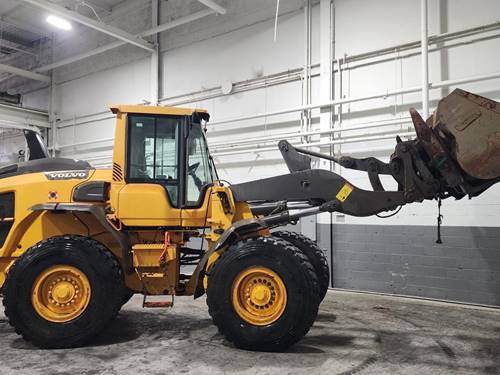
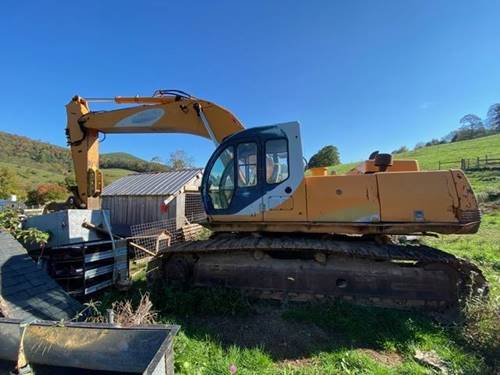
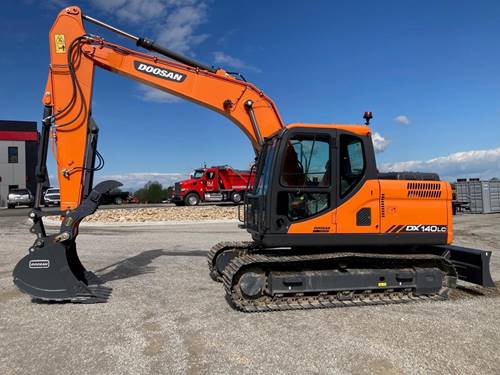
When choosing a forklift for earth moving and construction, ensure it has essential safety features such as stability control systems, overhead guards, and load backrest extensions. Consider models with advanced features like anti-collision systems and visibility aids to enhance operator and site safety.
A typical maintenance schedule for a construction forklift includes daily checks on fluid levels, tire condition, and brakes. Weekly inspections should cover the lift mechanism and hydraulic systems, while a more thorough check should be performed monthly or quarterly, based on usage. Following the manufacturer's guidelines is crucial to ensuring longevity and reliability.
To determine the necessary lifting capacity for your projects, assess the maximum weight of the loads you will handle, including any attachments. It's also essential to consider the height the forklift needs to lift the materials and factor in any potential load dynamics, such as load center and stability requirements.
Using a forklift in adverse weather conditions is possible, but it requires caution. While some models are designed for rough terrain and various conditions, it's essential to evaluate visibility, traction, and the potential for slippery surfaces. Always consult the manufacturer's guidelines regarding safe operation in different weather conditions.
Your location is Columbus, OH. Modify


 Equipment
Copyright ©2026 Eliftruck.com, Inc.
TEL: +1 (800) 867-3675
FAX: +1 (208) 330-5961
INT’L: +1 (630) 759-4799

