

Container handlers, both loaded and empty, are specialized forklifts designed to manage shipping containers efficiently and safely within ports, distribution centers, or storage yards. These machines are crucial in the global supply chain, enabling the quick loading, unloading, and stacking of containers, thus enhancing operational productivity. Loaded container handlers are engineered to lift heavy containers securely, often featuring strong booms and high lifting capacities to handle the weight. Conversely, empty container handlers focus on maneuverability and precision, as they are tasked with relocating lightweight, empty containers to optimize space and streamline operations. Popular models include the reach stacker and the rubber-tired gantry crane, each offering unique advantages based on vibrancy in handling different container sizes and weights. When purchasing a container handler, considerations such as lifting capacity, turning radius, and operational environment are critical to ensure optimal performance. Ultimately, container handlers play an indispensable role in modern logistics, adapting seamlessly to the dynamic requirements of cargo movement in ports and warehouses worldwide.



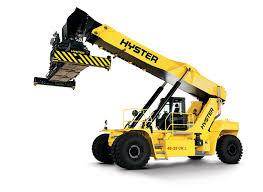


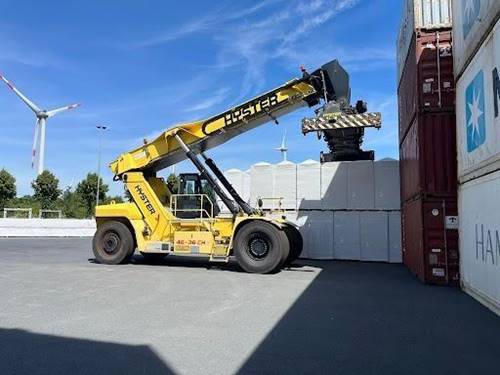


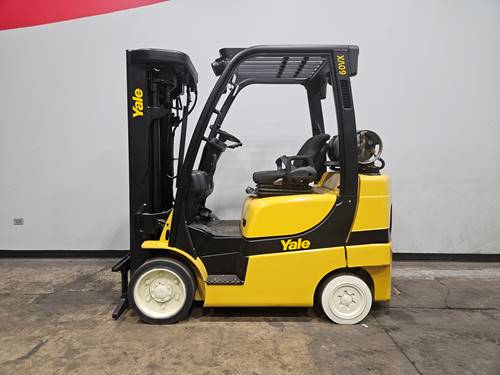


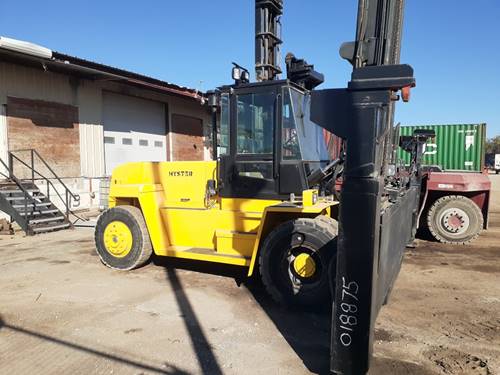
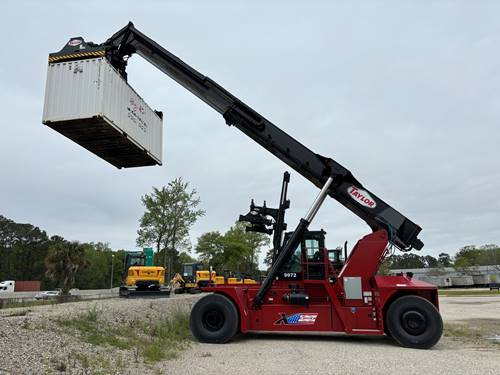
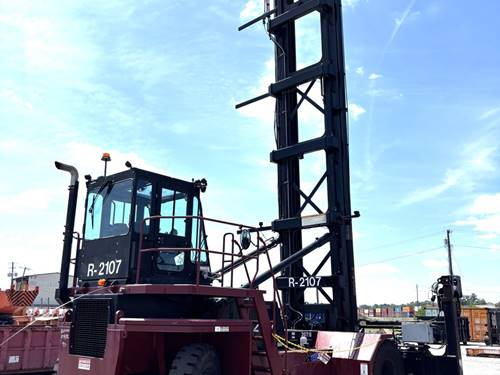
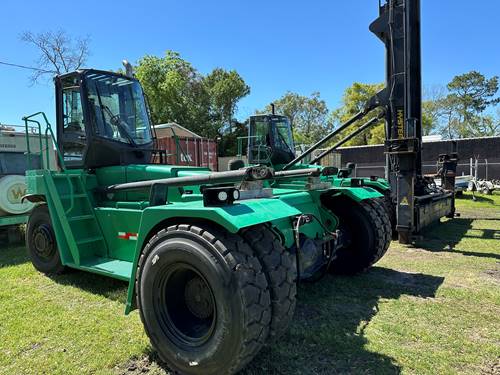
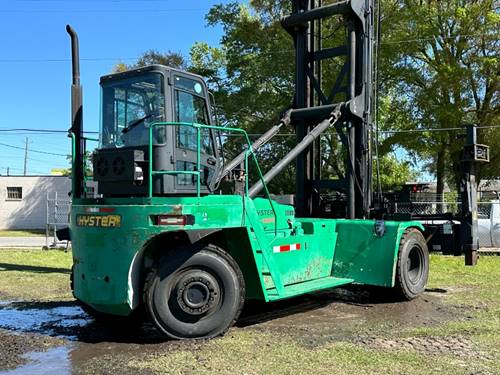
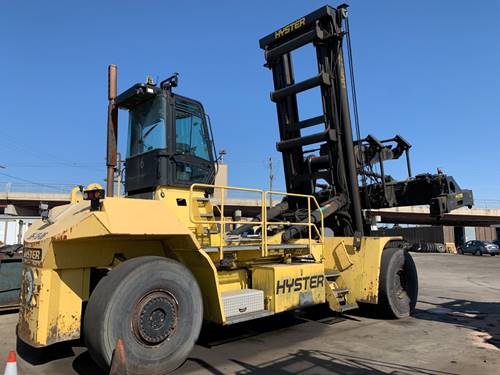
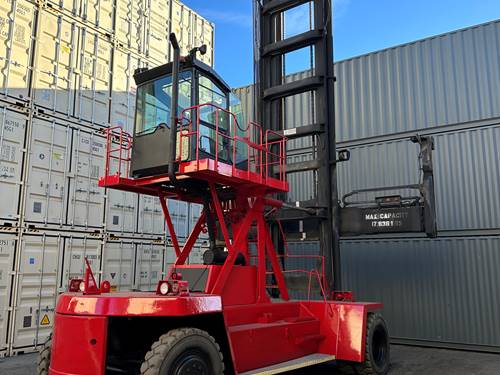
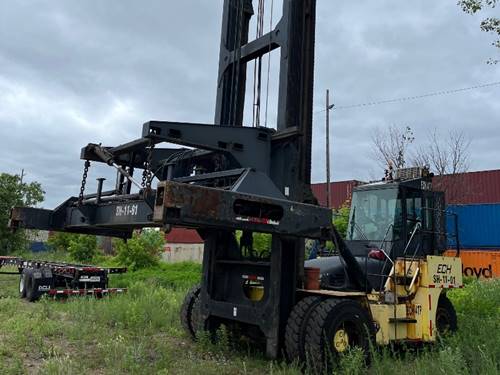
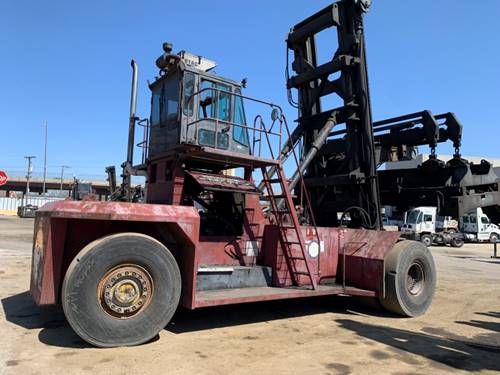
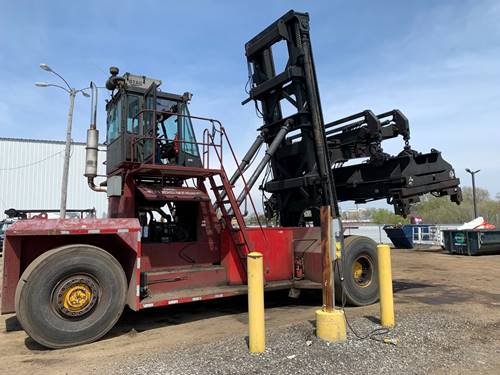
Container handlers are specialized forklifts designed to lift and move shipping containers, both loaded and empty, in ports and transport terminals. Unlike standard forklifts, they have extended reach and stability features to handle the weight and size of containers, making them ideal for heavy-duty logistics operations.
Most container handlers have a weight capacity ranging from 30,000 to 65,000 pounds, allowing them to safely lift and transport containers of various sizes. However, specific capacities can vary by model, so it is essential to check the manufacturer specifications for accurate details.
Yes, container handlers are specifically designed for outdoor use, particularly in rugged environments like docks and shipping yards. They often feature robust tires for better traction and stability on uneven ground, making them well-suited for various weather conditions.
Regular maintenance for container handlers includes checking fluid levels, inspecting hydraulic systems, and monitoring tire condition. Additionally, routine safety inspections and servicing should be performed to ensure optimal performance and compliance with safety regulations.
Your location is Columbus, OH. Modify


 Equipment

Copyright ©2026 Eliftruck.com, Inc.
TEL: +1 (800) 867-3675
FAX: +1 (208) 330-5961
INT’L: +1 (630) 759-4799

