

A rotating fork clamp is a specialized forklift attachment designed to enhance material handling efficiency by providing increased versatility when dealing with various loads. This innovative tool allows operators to grasp and manipulate products in a 360-degree motion, making it particularly effective for handling awkwardly shaped items, such as bundles of cardboard, plates, or even rolls of paper and carpet. There are several types of rotating fork clamps, including fixed models and those designed for specific applications, such as handling cylindrical loads or strapping materials. The most popular types are engineered to handle heavy-duty loads while maintaining precise control, ensuring safety and efficiency in operations. When considering a rotating fork clamp for your fleet, it is essential to evaluate factors such as weight capacity, compatibility with your existing forklifts, and the specific types of materials you will be handling. These attachments are commonly used in industries such as manufacturing, construction, and warehousing, where efficient handling of diverse load types is critical for optimizing workflow and productivity. By investing in a high-quality rotating fork clamp, businesses can significantly improve their material handling processes and minimize the risk of damage to goods.


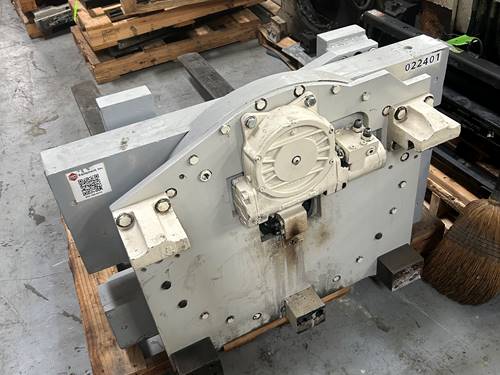

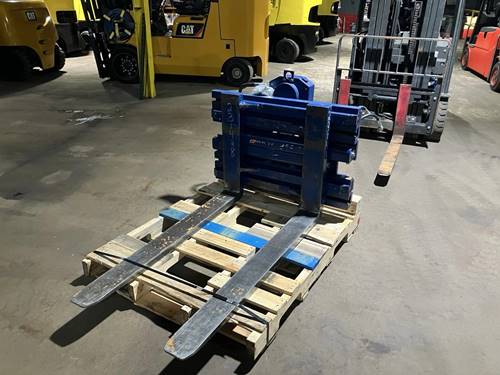
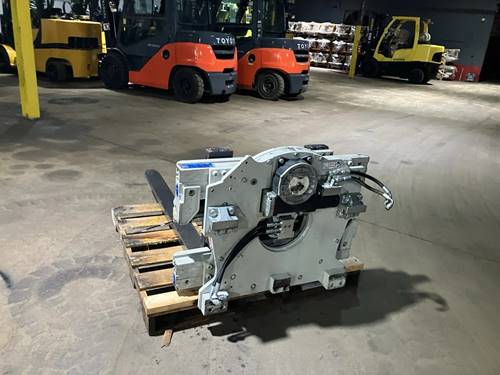
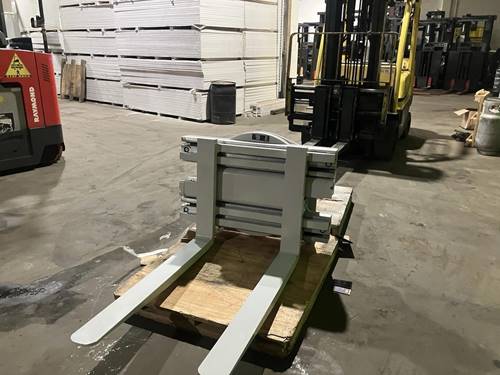
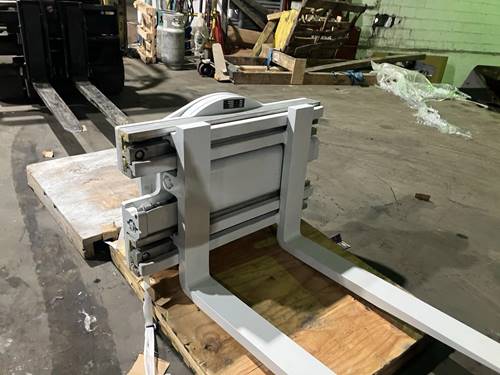

A Rotating Fork Clamp is a forklift attachment designed to securely grip and move a variety of loads, ranging from pallets to awkwardly shaped items. It features two forks that can open and close to grasp the load, and it can rotate 360 degrees to allow for precise positioning and stacking. This versatility makes it ideal for handling materials in warehouses and manufacturing environments.
Rotating Fork Clamps are commonly used in industries such as logistics, construction, manufacturing, and recycling. They are particularly useful in operations that require the handling of bulky or irregularly shaped loads, such as steel, pipe, lumber, or bundled materials.
While Rotating Fork Clamps are compatible with most forklift models, it is essential to ensure that the attachment is suitable for your specific forklift. Factors such as load capacity, mounting type, and hydraulic requirements will determine compatibility. Always consult with the manufacturer or a forklift attachment specialist for proper fitting.
Regular maintenance for a Rotating Fork Clamp includes checking hydraulic connections and fluid levels, inspecting the forks for wear or damage, and ensuring that the rotation mechanism operates smoothly. It is also advisable to keep the Clamp clean and lubricated to prevent rust and enhance performance. Following the manufacturer’s recommended maintenance schedule can prolong the life of the attachment.
Your location is Columbus, OH. Modify


 Equipment

Copyright ©2026 Eliftruck.com, Inc.
TEL: +1 (800) 867-3675
FAX: +1 (208) 330-5961
INT’L: +1 (630) 759-4799

