


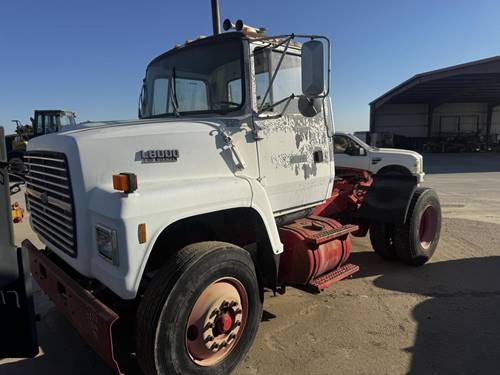
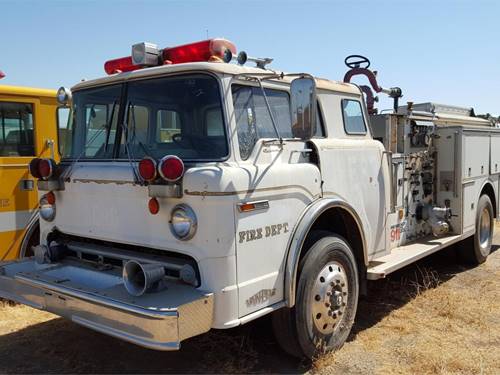

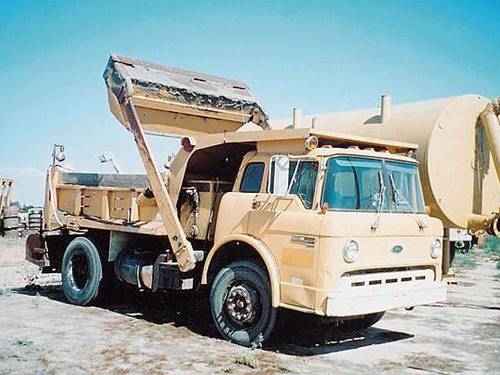
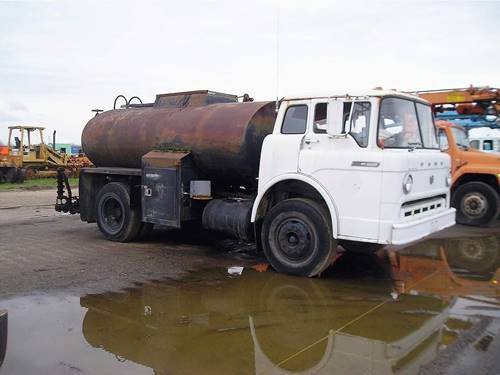
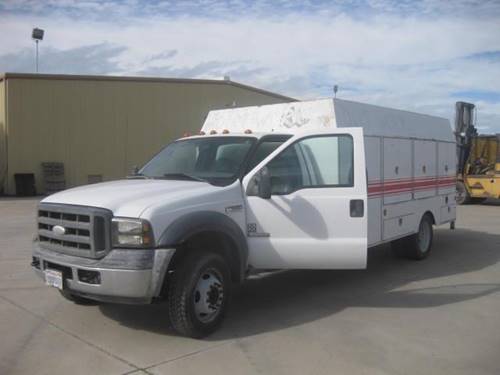
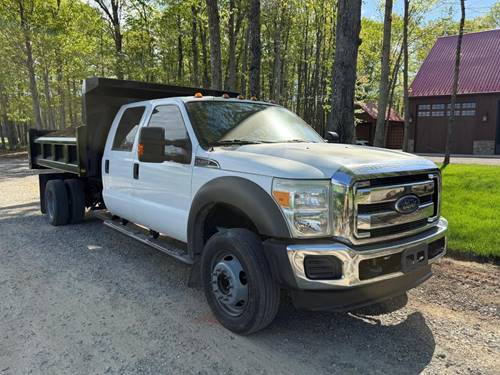
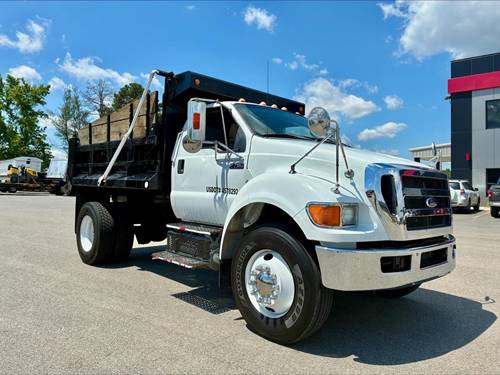
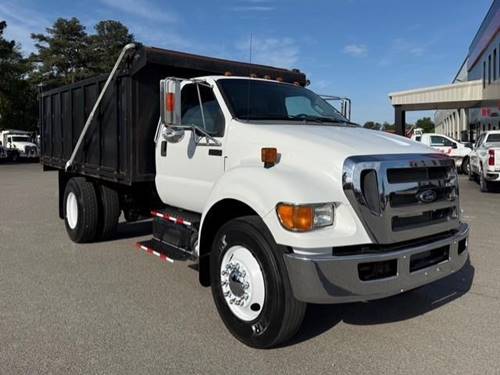
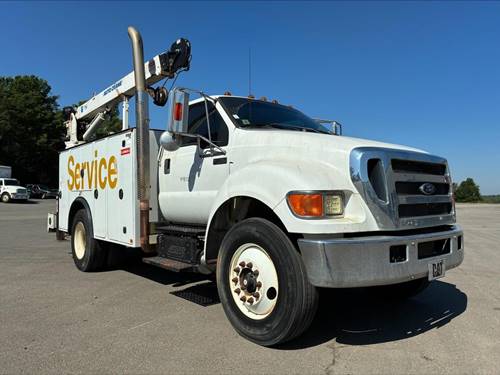
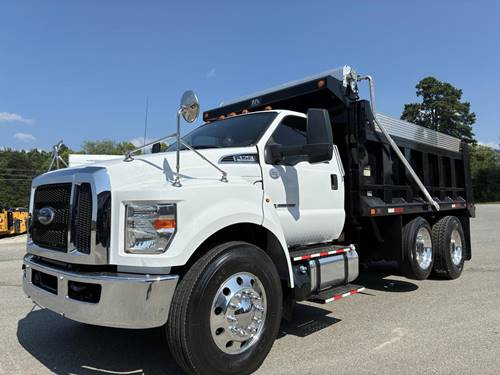
The Ford L8000 is a heavy-duty truck designed for versatility and durability. It typically features a gross vehicle weight rating (GVWR) of up to 33,000 lbs, making it suitable for a range of commercial applications. The model is often equipped with a robust diesel engine, offering significant power and torque for hauling heavy loads. Additionally, it comes with advanced suspension systems to ensure a smooth ride, even when fully loaded.
The Ford L8000 is designed to handle various transportation needs, including freight hauling, construction, and towing trailers. With its strong chassis and high payload capacity, it can transport heavy equipment and materials with ease. The truck is compatible with multiple trailer types, allowing it to be used in diverse settings. Its maneuverability and stability make it a reliable choice for both urban and rural driving conditions.
Yes, the Ford L8000 can be suitable for off-road applications, especially if equipped with the right tires and drivetrain. Many units come with options for all-wheel drive which enhances traction on rough terrain. However, it’s important to note that while the truck is built to be rugged, the specific off-road capabilities may vary depending on the configurations and added features. Always consult the manufacturer’s guidelines to understand the model’s off-road capabilities fully.
Regular maintenance is crucial to ensuring the longevity and performance of the Ford L8000. Key maintenance tasks include routine oil changes, brake inspections, and tire rotations. It's also important to check the transmission fluid, coolant levels, and the condition of various filters regularly. Keeping detailed maintenance records can help monitor the truck's condition and facilitate timely repairs when necessary.
The fuel efficiency of the Ford L8000 can vary depending on factors such as load size, engine type, and driving conditions. Generally, heavy-duty trucks like the L8000 may achieve around 7 to 10 miles per gallon under typical operating conditions. Although this may not be as fuel-efficient as smaller vehicles, it is competitive within the heavy-duty truck category. Implementing eco-driving practices can help improve fuel economy and reduce operating costs.
Your location is Columbus, OH. Modify


 Equipment
Copyright ©2026 Eliftruck.com, Inc.
TEL: +1 (800) 867-3675
FAX: +1 (208) 330-5961
INT’L: +1 (630) 759-4799

