

An articulated boom lift, also known as a knuckle boom lift or articulating lift, is a versatile piece of equipment designed to provide workers with access to elevated areas while navigating around obstacles. This type of aerial lift consists of a jointed arm that can bend and extend, allowing it to reach heights and areas that straight boom lifts cannot. The most popular articulated boom lifts are those with platform heights ranging from 30 to 60 feet, but variations exist to accommodate greater heights. When considering a purchase, buyers should evaluate factors such as maximum working height, load capacity, outreach capabilities, and required maneuverability for their specific projects, whether indoors or outdoors. Articulated boom lifts are commonly used in construction, maintenance, and industrial applications, ideal for tasks like building maintenance, tree trimming, and sign installation where precision and flexibility are paramount. Understanding the nuances of articulated boom lifts can help potential buyers make informed decisions, ensuring that they choose the right equipment to enhance productivity and safety on the job.




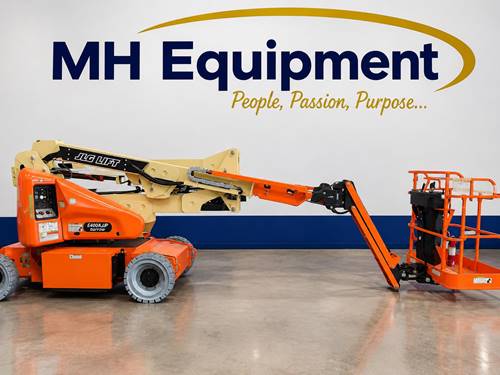



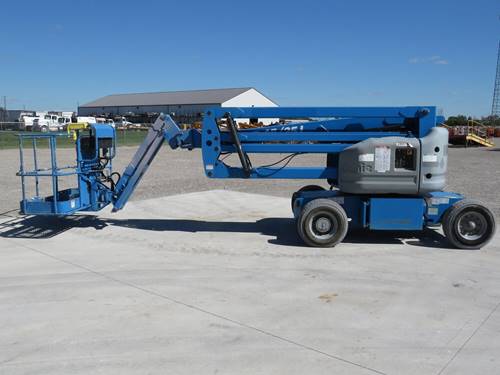
An articulated boom lift, also known as a knuckle boom lift, features multiple joints that enable the platform to extend and maneuver around obstacles. This flexibility allows for vertical reach and horizontal outreach, making it ideal for work in tight or hard-to-reach areas.
Articulated boom lifts are commonly used in construction, maintenance, and industrial applications. They are particularly useful for tasks such as painting, electrical work, tree trimming, and facade repairs, where access to elevated areas is required while avoiding obstacles.
When selecting an articulated boom lift, consider the maximum working height, horizontal reach, and weight capacity required for your specific job. Additionally, assess the job site conditions, including space constraints and the type of terrain to ensure the lift can operate safely and efficiently.
Yes, articulated boom lifts are designed with safety features such as outriggers, harness points, and emergency descent systems. However, operators must be properly trained and follow safety protocols to prevent accidents and ensure a safe working environment while using the equipment.
Your location is Columbus, OH. Modify


 Equipment

Copyright ©2026 Eliftruck.com, Inc.
TEL: +1 (800) 867-3675
FAX: +1 (208) 330-5961
INT’L: +1 (630) 759-4799

