
Ford Motor Company, a titan in the automotive industry, primarily focuses on the production of automobiles, trucks, and SUVs, rather than industrial equipment like forklifts. Founded in 1903 by Henry Ford in Detroit, Michigan, Ford has grown into a global powerhouse with its headquarters now located in Dearborn, Michigan, USA. The company is renowned for its innovative contributions to the automotive sector, including the introduction of assembly line production techniques. Ford's extensive lineup includes iconic models such as the Ford F-150, a leader in the pickup truck segment, and the Ford Mustang, a symbol of American muscle cars. These vehicles are powered by a range of internal combustion engines, hybrid systems, and increasingly, electric powertrains, as Ford expands its offerings to meet the growing demand for sustainable transportation solutions.
In the competitive landscape, Ford stands out by continuously evolving its product line to cater to diverse market needs, from rugged trucks for construction and agriculture to efficient sedans for urban commuting. The company's commitment to innovation is evident in its development of electric vehicles like the Ford Mustang Mach-E, which competes with other electric vehicle manufacturers such as Tesla and Chevrolet. Ford's strategic focus on electrification and hybrid technology positions it well within the automotive industry's shift towards greener alternatives. By leveraging its rich history and robust manufacturing capabilities, Ford continues to influence sectors such as logistics, transportation, and personal mobility, ensuring its status as a key player in the global automotive market.


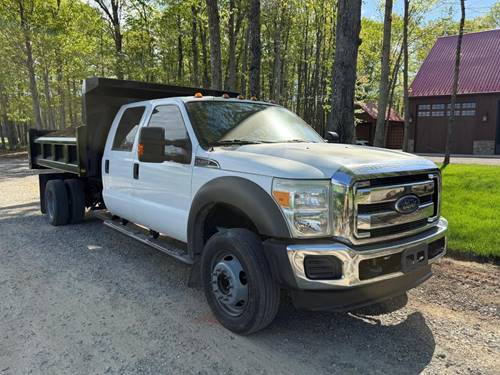
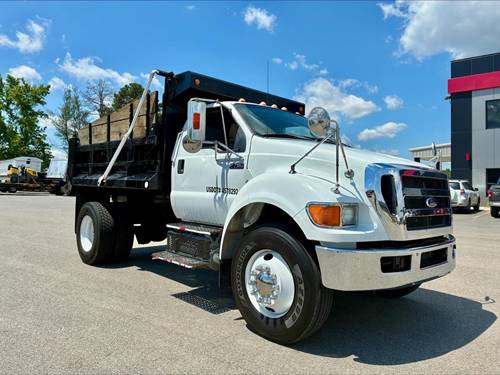
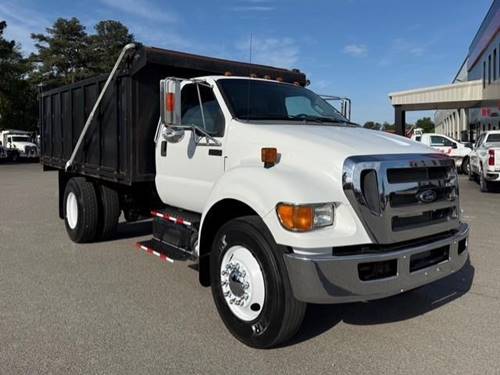
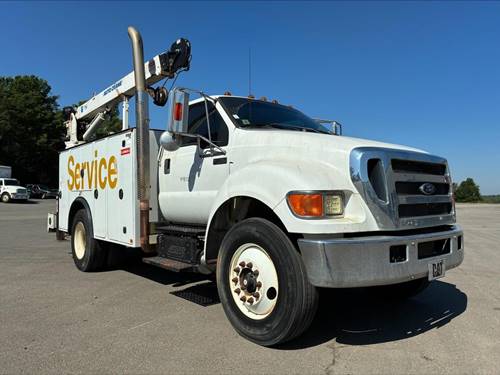
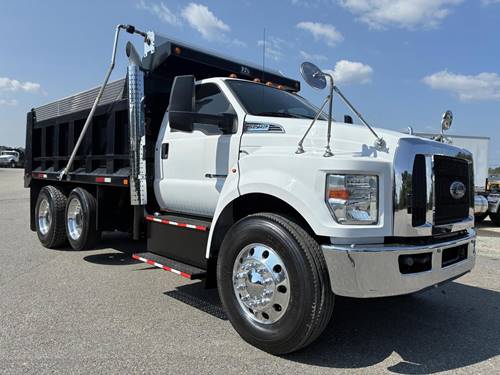
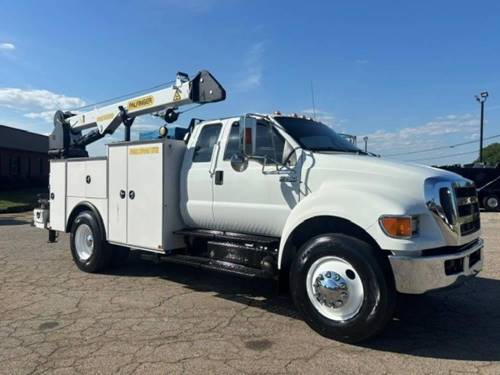
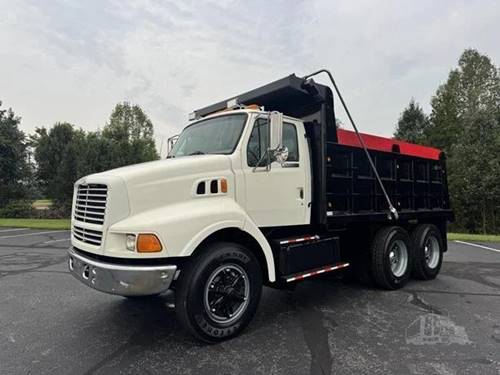
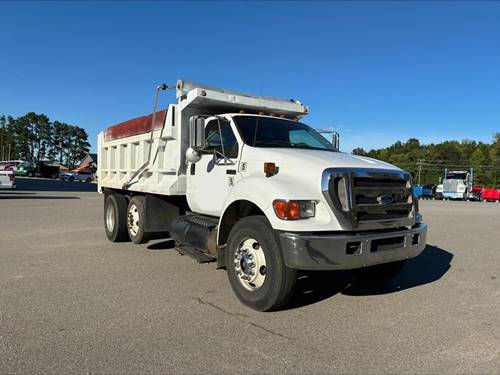
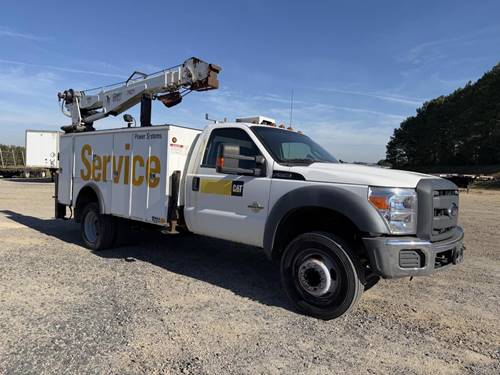
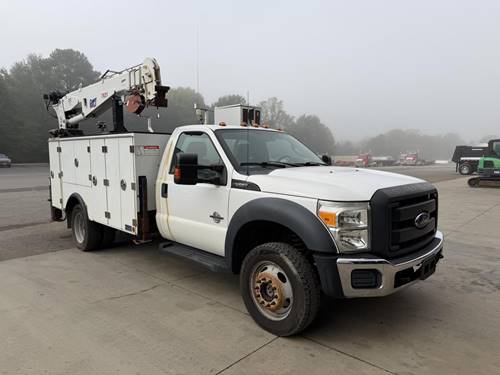
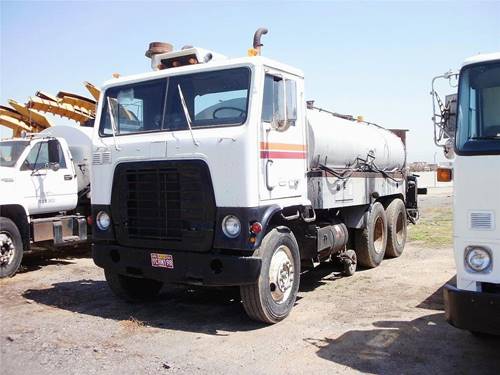
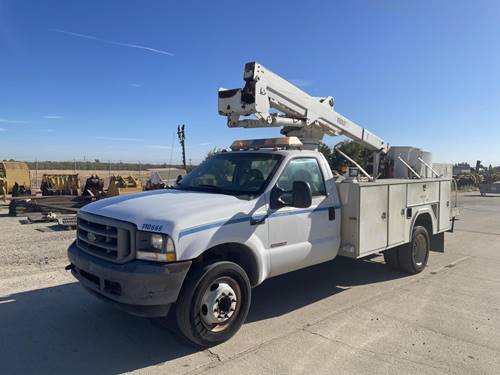
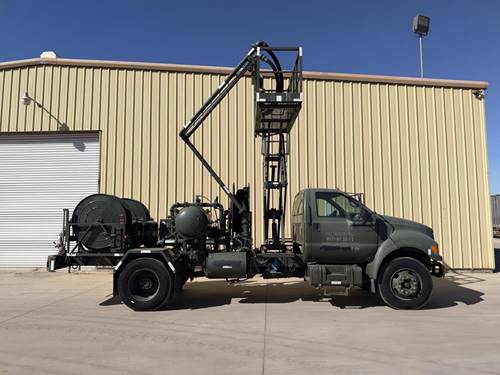
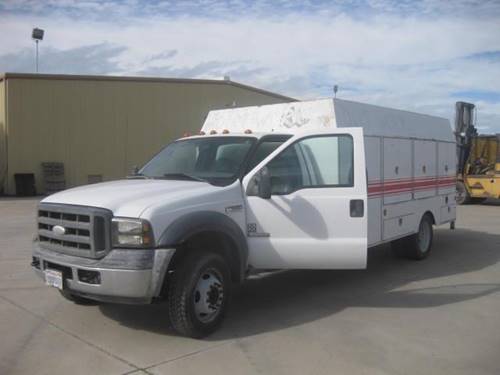
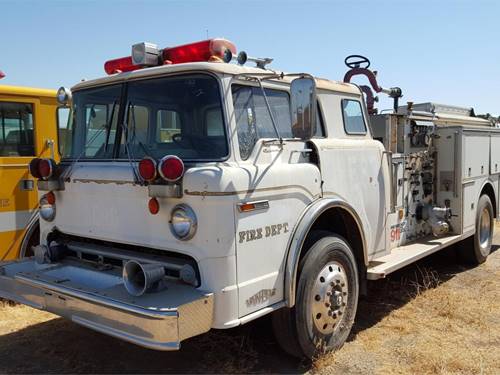
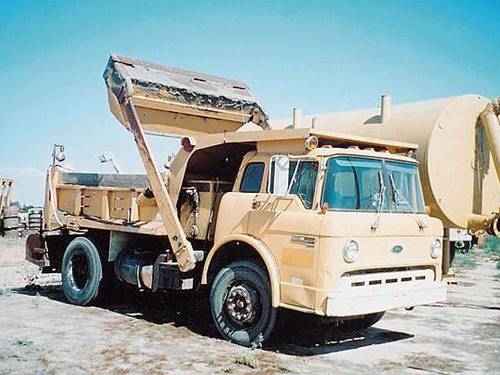
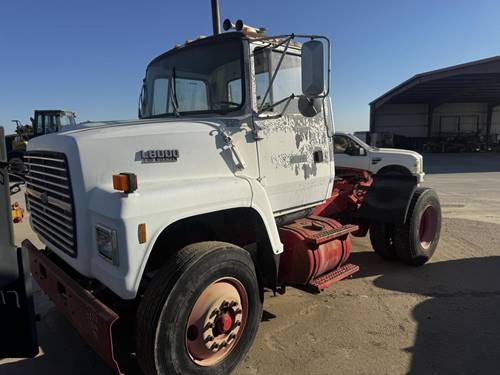
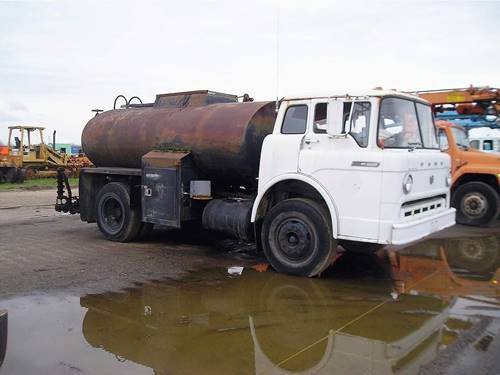
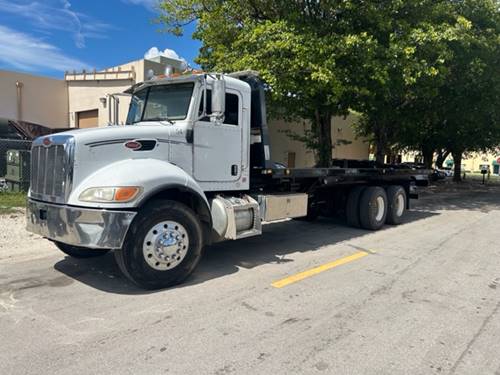

The towing capacity of Ford Trucks varies by model and configuration. Generally, you can expect capacities ranging from 7,000 lbs to over 30,000 lbs for heavy-duty models. It’s essential to consult the specific model's specifications to determine the exact towing capacity for your needs.
Fuel efficiency ratings for Ford Trucks also vary significantly depending on the model and engine choice. For example, the Ford F-150 offers an average of 20 to 26 miles per gallon, while heavier models like the Ford Super Duty may have lower ratings due to their power capabilities. Always check the latest EPA ratings for the most accurate information.
Ford Trucks are equipped with a range of safety features including advanced airbag systems, stability control, rearview cameras, and optional driver-assistance technologies such as adaptive cruise control and lane-keeping assist. Safety features can vary by model, so it's advisable to review the specifications of the particular truck you are interested in.
Yes, many Ford Truck models, especially those in the Raptor and FX4 packages, are designed for off-road performance. They typically include features like all-terrain tires, skid plates, off-road suspension systems, and enhanced traction control, making them well-equipped for rugged environments.
Your location is Columbus, OH. Modify


 Equipment
Copyright ©2026 Eliftruck.com, Inc.
TEL: +1 (800) 867-3675
FAX: +1 (208) 330-5961
INT’L: +1 (630) 759-4799

