


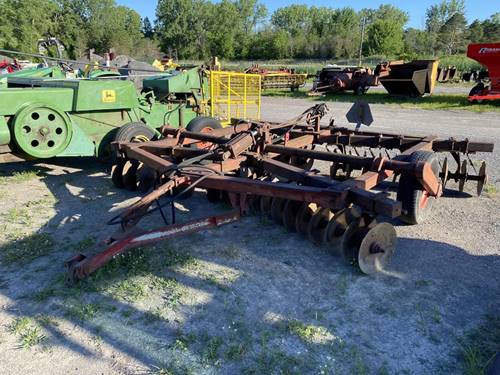
For agricultural and farming applications, rough terrain forklifts and telehandlers are often the best choices. These forklifts are designed to handle uneven surfaces and can navigate challenging farm environments. Additionally, they offer versatile lifting capabilities, making them ideal for moving heavy loads such as bales of hay, feed, and equipment.
To determine the right lifting capacity, assess the typical loads you will be handling, including their weight and dimensions. It's essential to consider the maximum weight you'll be lifting at various heights and account for any attachments that may reduce the capacity. Aim for a forklift with a lifting capacity that exceeds your highest expected load to ensure safety and efficiency.
Regular maintenance for agricultural forklifts should include checking fluid levels, inspecting and replacing filters, and examining the hydraulic system. Additionally, tires should be inspected for wear, and all mechanical components should be checked for proper function. Scheduled expert servicing is recommended to ensure longevity and reliability, especially in harsh farming conditions.
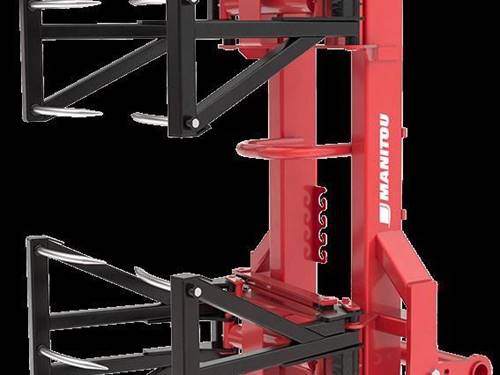
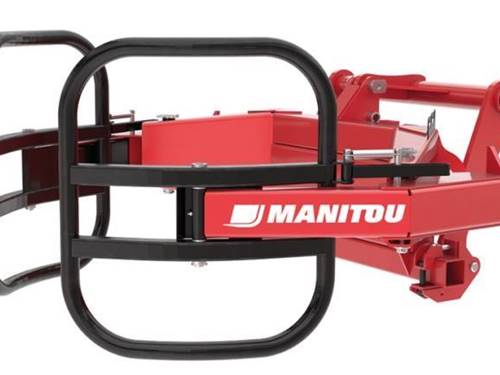
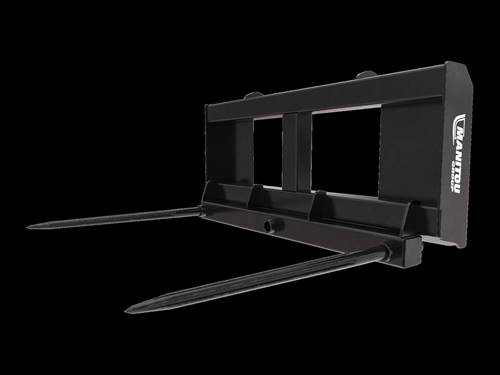
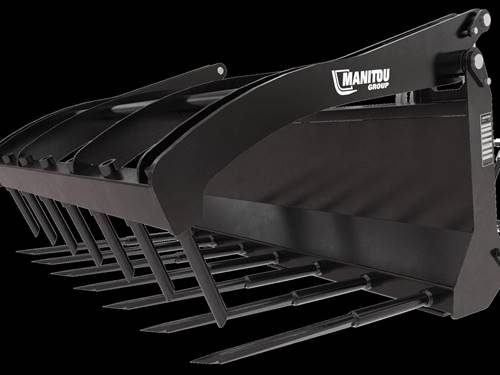
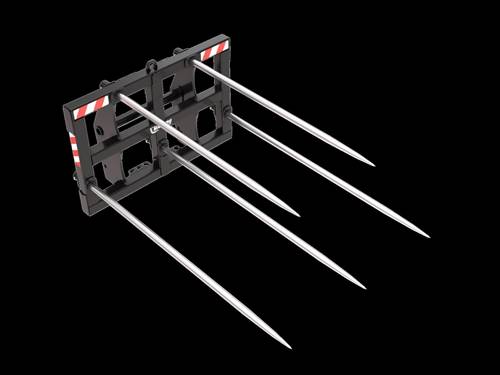
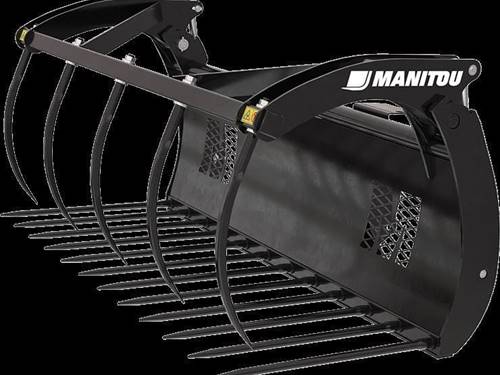
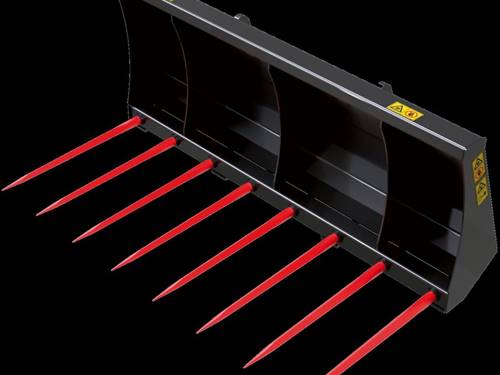
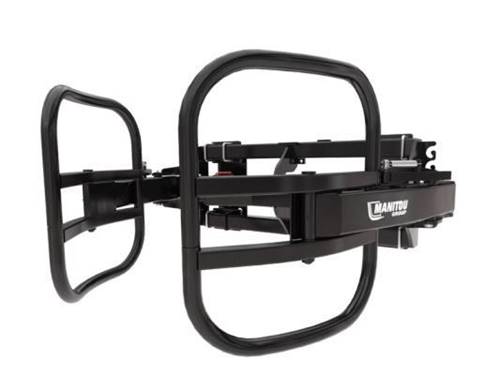
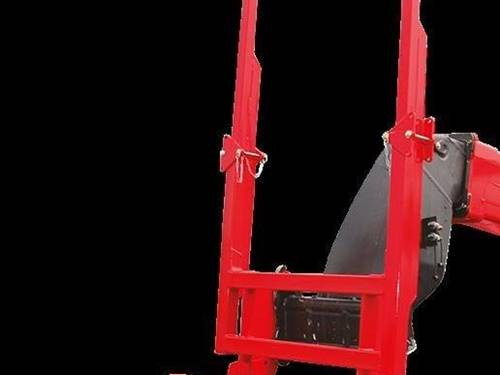
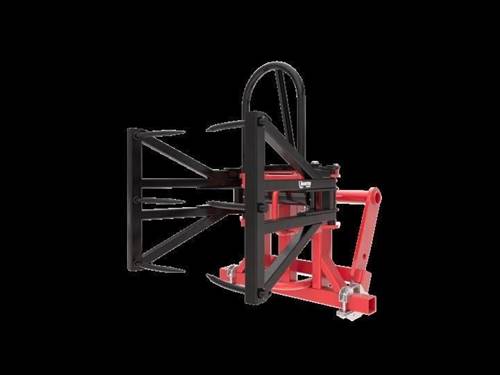
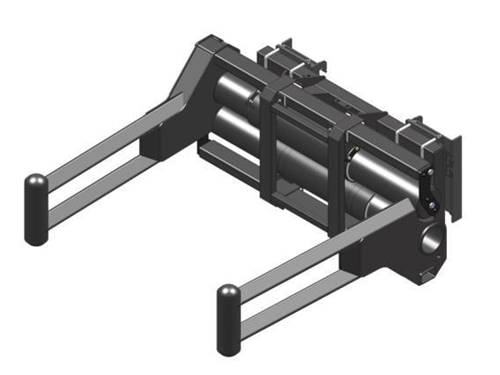
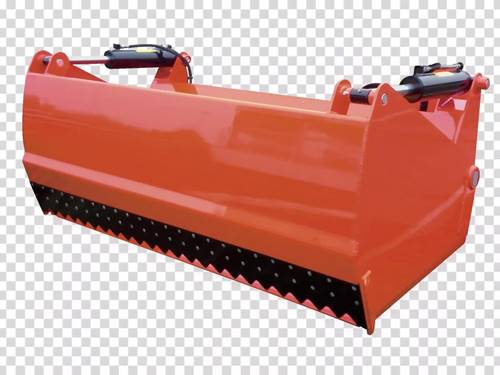
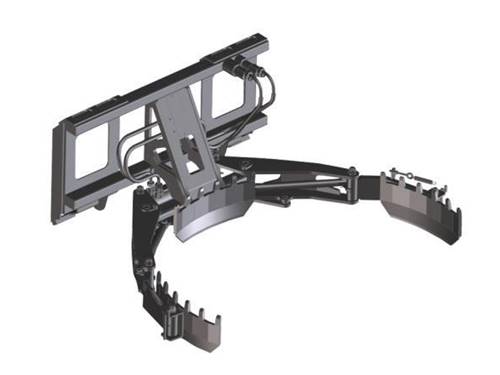
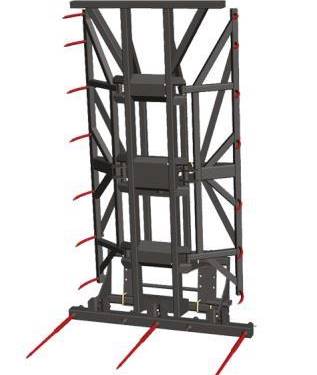
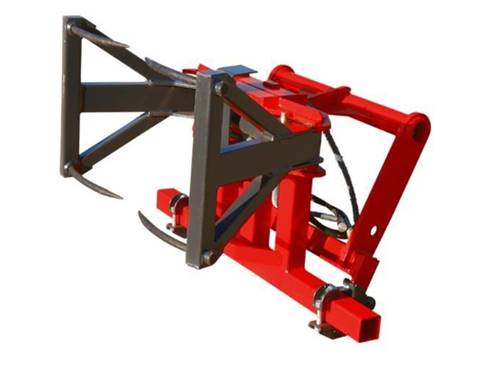
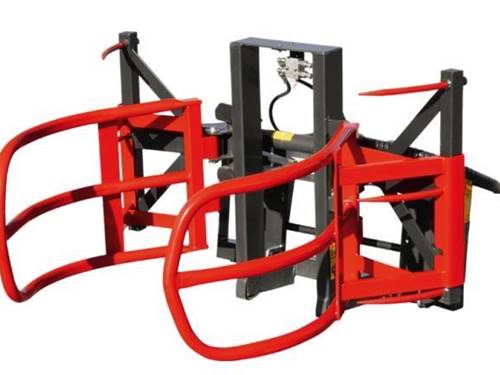
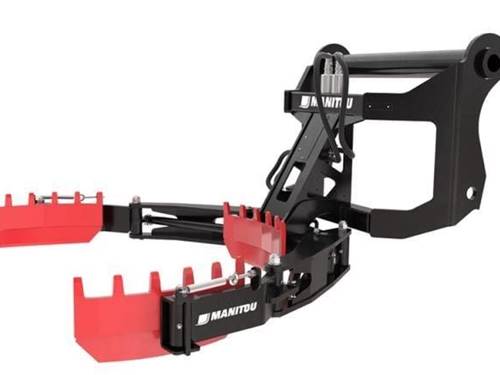
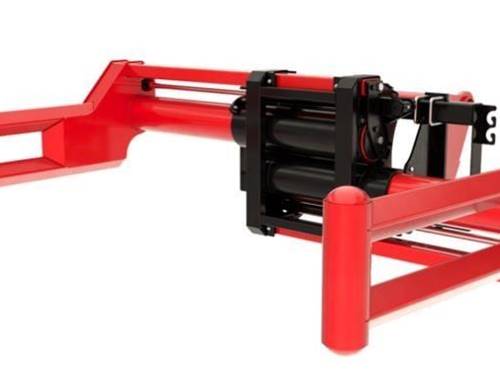
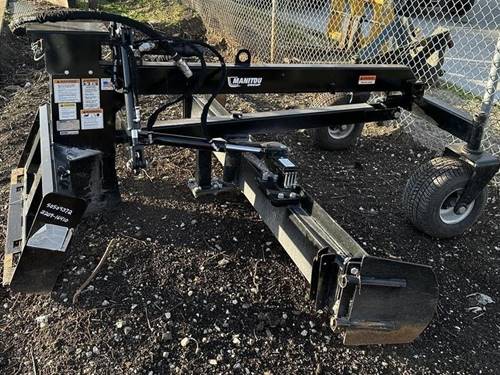
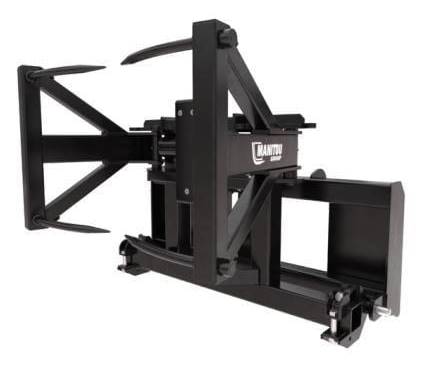
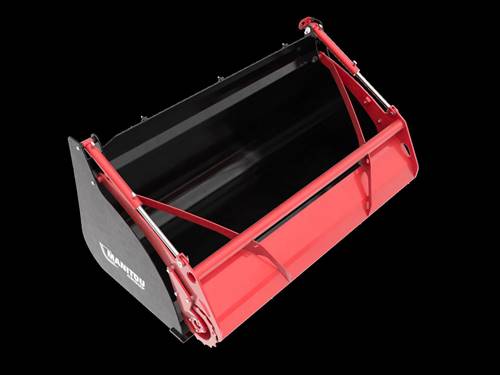
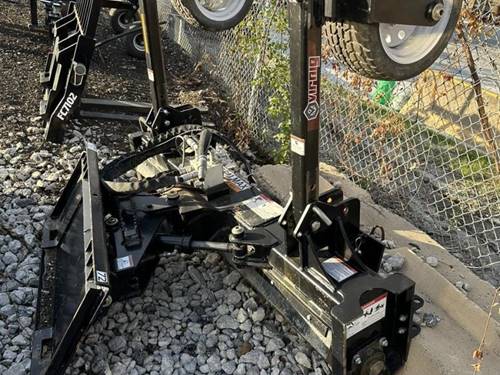
Yes, many forklifts can be customized with various attachments and accessories to meet specific farming tasks. Common attachments include fork extensions, buckets, and grapples, which can enhance the versatility of the forklift and improve productivity during tasks such as lifting, moving, or loading materials.
Your location is Columbus, OH. Modify


 Equipment

Copyright ©2026 Eliftruck.com, Inc.
TEL: +1 (800) 867-3675
FAX: +1 (208) 330-5961
INT’L: +1 (630) 759-4799

