

A "Material Lift," specifically in the context of Aerial Work Platforms (AWPs), refers to a versatile lifting device designed to elevate personnel and materials to various heights safely and efficiently. These machines come in several types, including scissor lifts, boom lifts, and vertical lifts, each offering distinct capabilities tailored for different applications. Scissor lifts, known for their stable and expansive platforms, are ideal for indoor tasks, while boom lifts, with their extendable arms, provide access to hard-to-reach areas, making them suitable for outdoor construction and maintenance work. When considering the purchase of a material lift, one must take into account factors such as load capacity, working height, platform size, and mobility options, as well as compliance with safety regulations. Popular aliases for these devices include "lift platforms" and "elevated work platforms." Typically, material lifts are used across a range of industries, including construction, warehousing, and facilities maintenance, facilitating tasks from painting and electrical work to inventory management and assembly line operations.


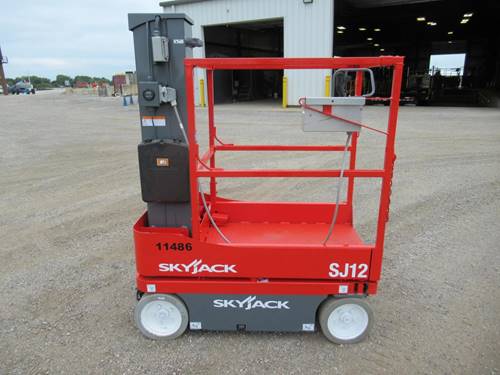

A Material Lift is a piece of equipment designed to transport heavy materials vertically and horizontally at construction sites and workshops. It is primarily used to lift loads such as drywall, tiles, or construction materials to various heights, making it ideal for tasks that require elevation and accessibility in hard-to-reach areas.
The weight capacity of a Material Lift can vary based on the model, but most units can safely lift between 500 to 2,000 pounds. It’s crucial to check the specifications of the specific model you are considering to ensure it meets your needs.
Yes, Material Lifts are designed for easy operation. Most models feature simple controls that allow operators to lift and lower materials with precision. However, proper training and adherence to safety guidelines are recommended to ensure safe and effective operation.
When selecting a Material Lift, look for essential safety features such as load limit indicators, sturdy outriggers or stabilizers, safety brakes, and emergency stop controls. These features enhance stability and help prevent accidents and injuries on job sites.
Your location is Columbus, OH. Modify


 Equipment

Copyright ©2026 Eliftruck.com, Inc.
TEL: +1 (800) 867-3675
FAX: +1 (208) 330-5961
INT’L: +1 (630) 759-4799

