



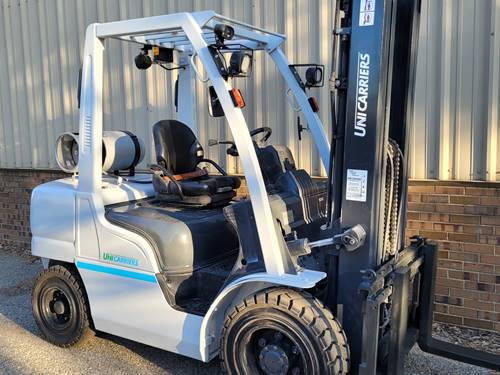
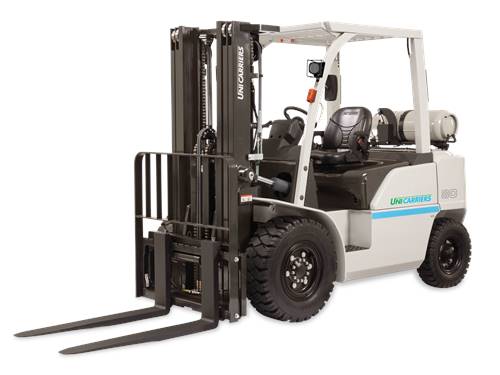
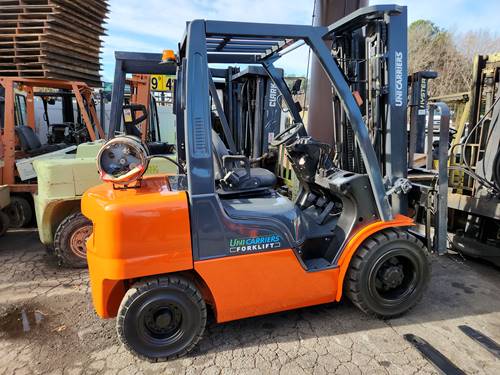
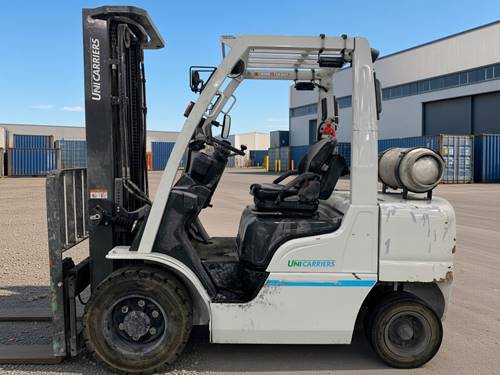
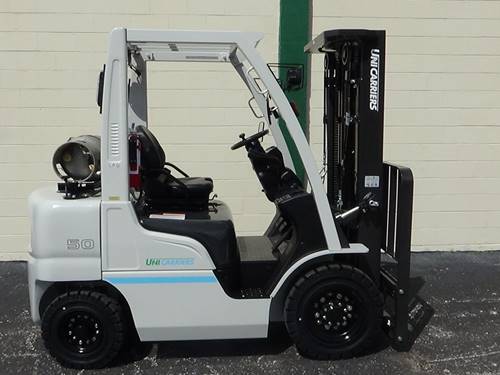
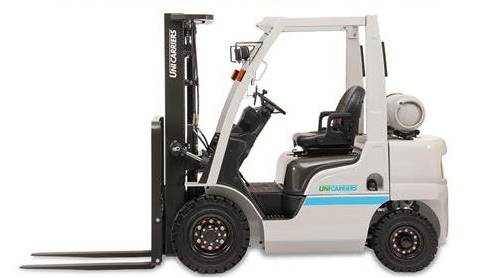
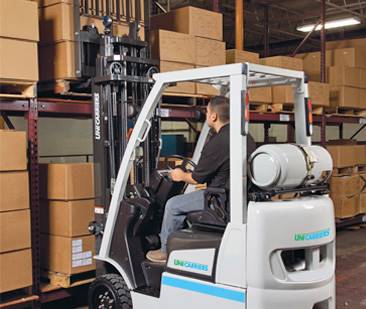
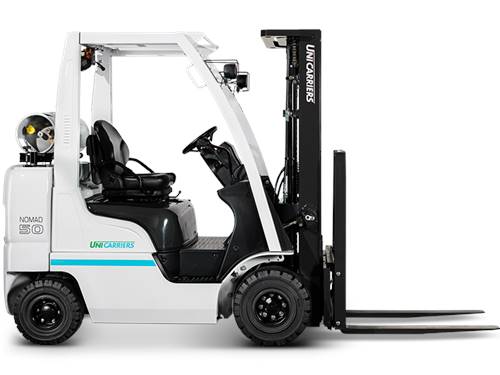
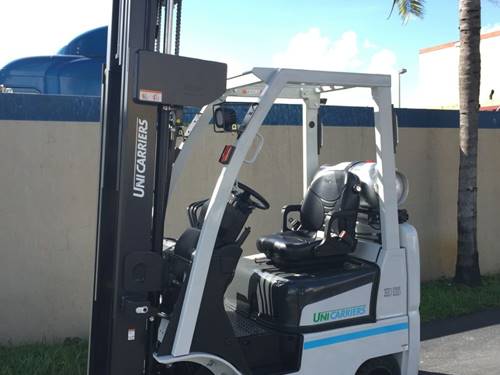
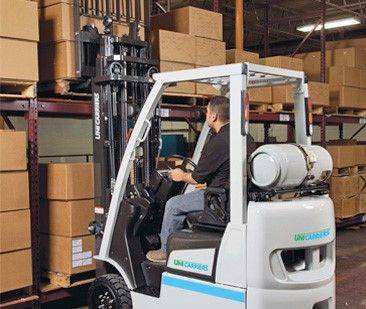
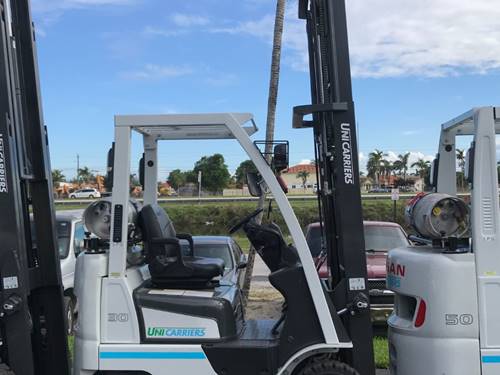
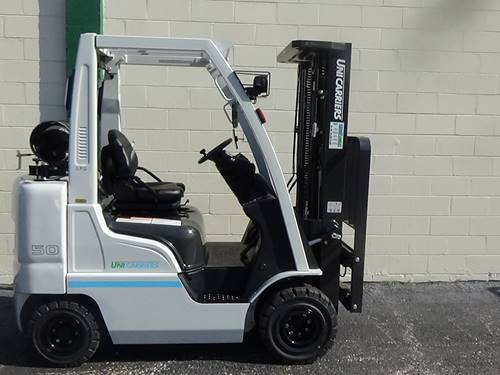
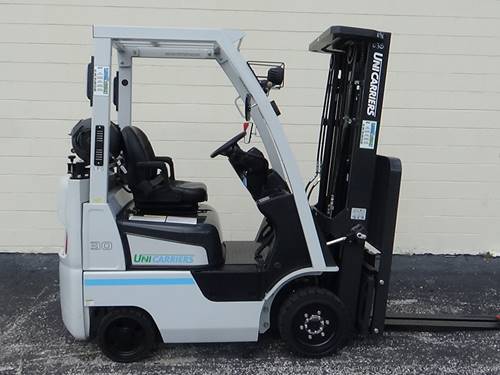
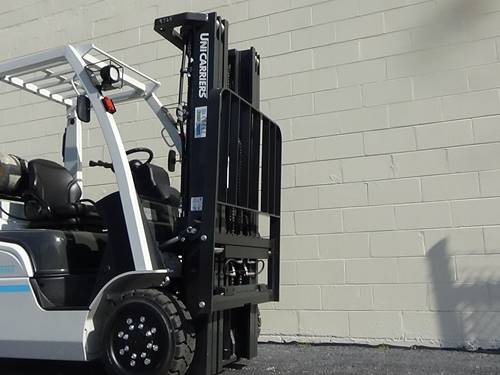
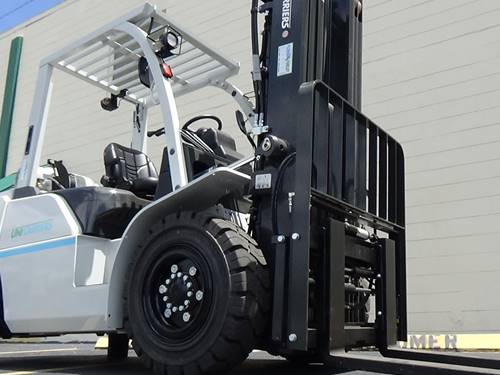
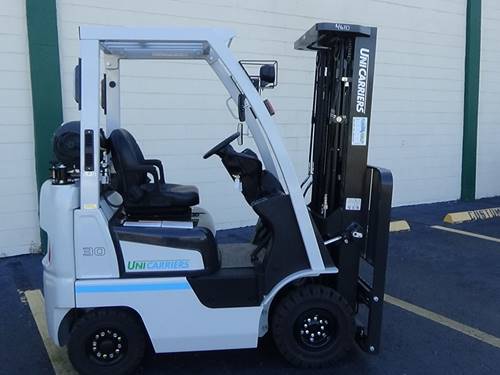
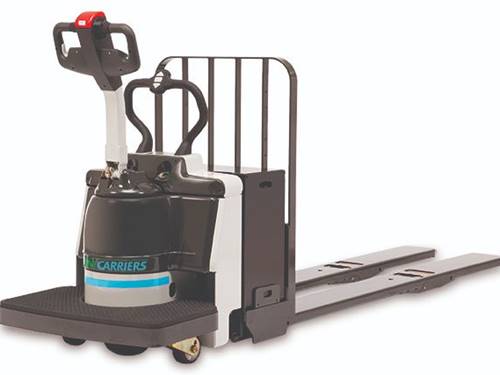
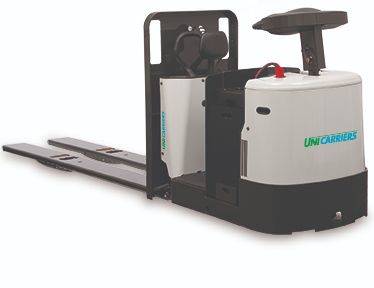
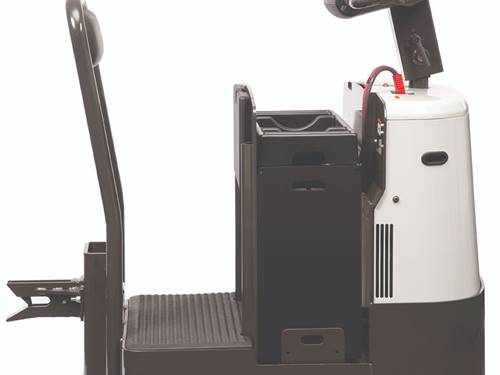
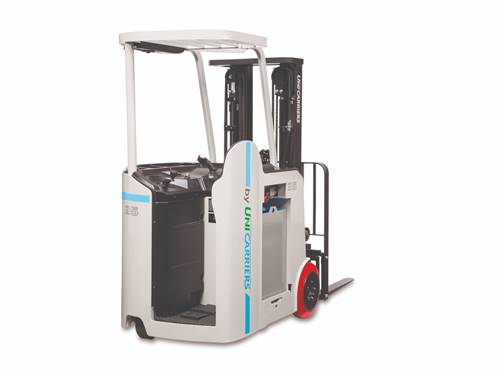
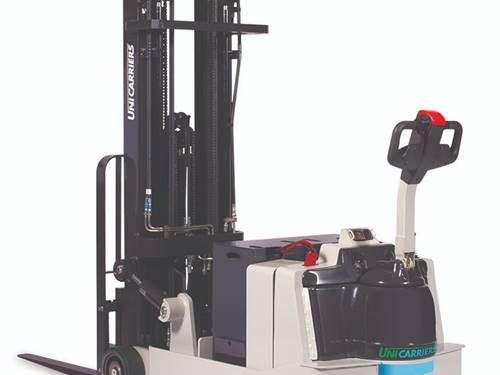
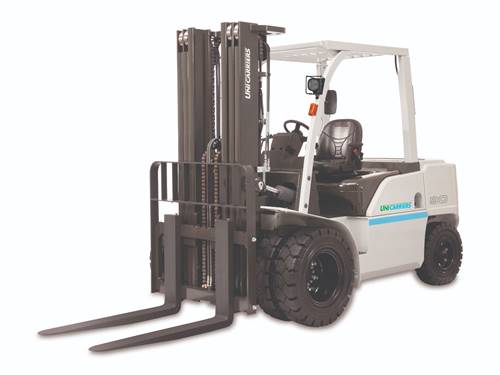
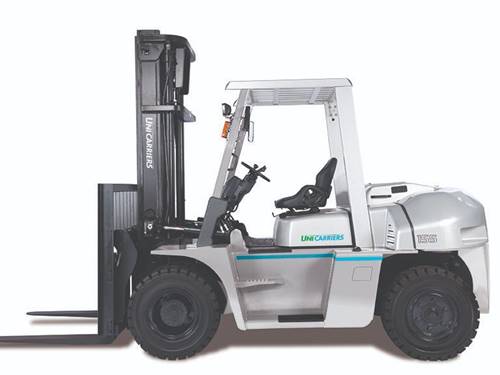
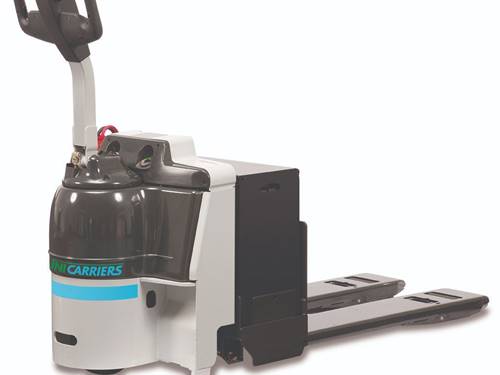
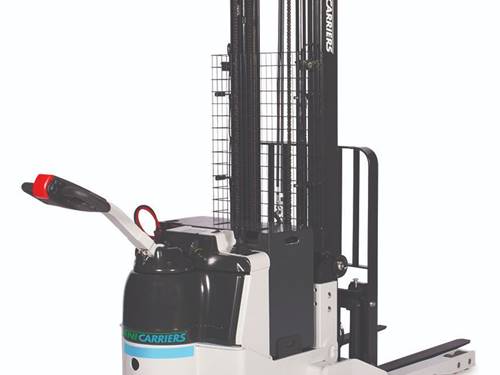
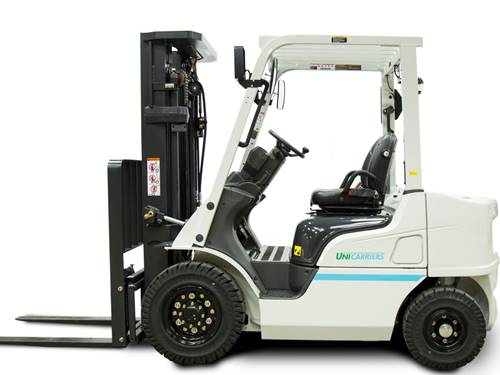
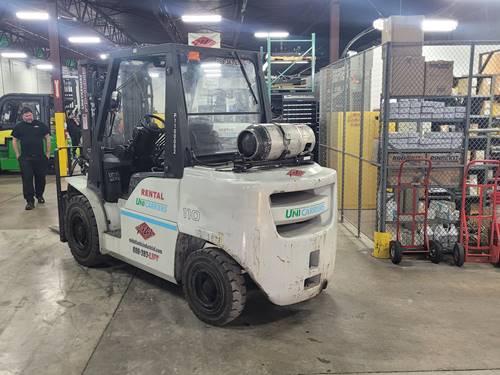
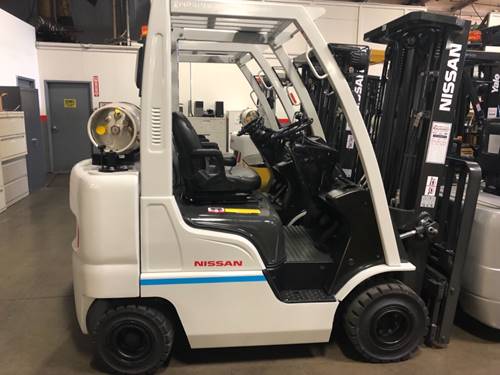
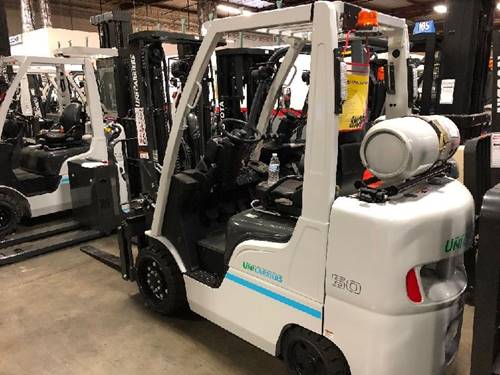
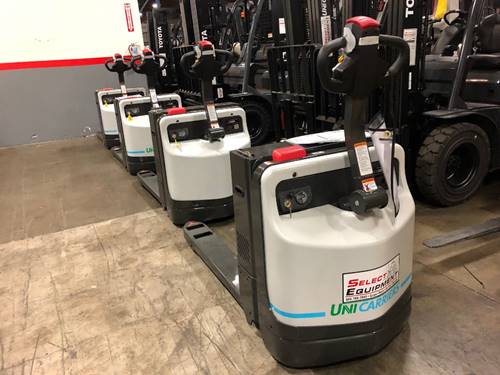
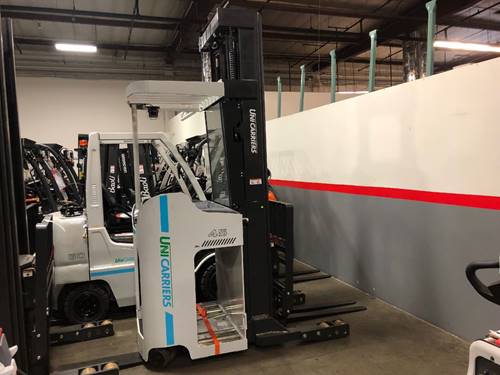
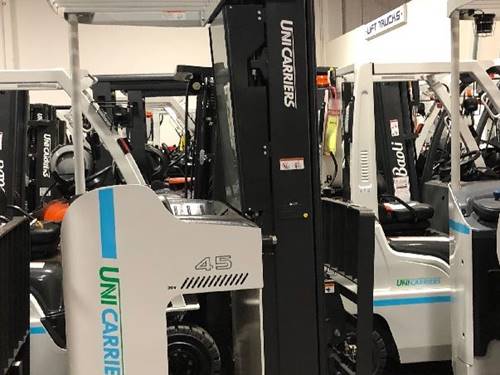
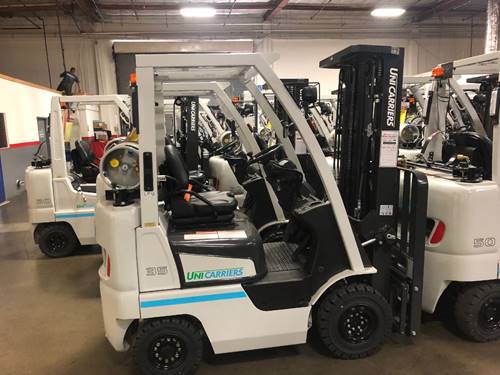
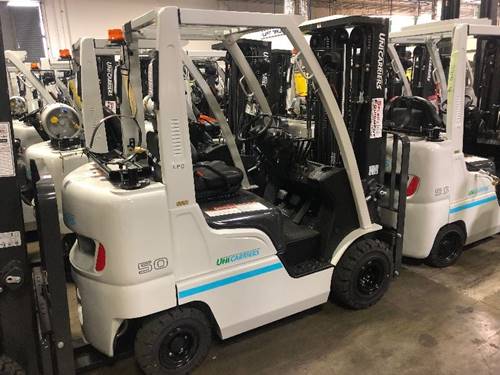
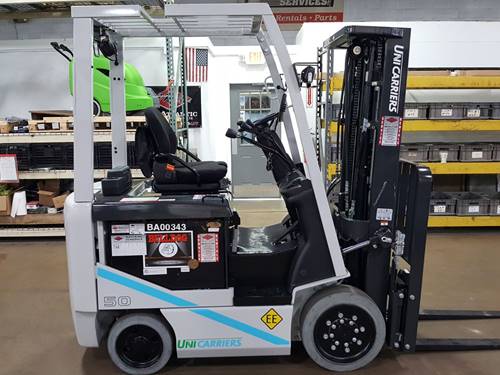
The Unicarriers MUG1F2A30 is a reliable pneumatic tire forklift designed for various material handling tasks. It features a sit-down operator design, providing comfort and ease of operation. This model operates on LP gas, allowing for efficient performance in both indoor and outdoor environments. Its sturdy four-wheel design ensures excellent stability, making it suitable for lifting heavy loads with precision.
The MUG1F2A30 forklift has a substantial lifting capacity, typically ranging from 3,000 to 5,000 pounds, depending on the specific configuration and options selected. This versatility makes it an ideal choice for warehouses, construction sites, and other industrial settings where heavy lifting is a routine necessity. Always check the manufacturer's specifications for the exact weight capacity applicable to your unit.
Using LP gas as fuel for the Unicarriers MUG1F2A30 has several benefits. It provides a cleaner-burning alternative to traditional diesel or gasoline, resulting in lower emissions and reduced environmental impact. LP gas also offers high energy density, allowing the forklift to operate efficiently with less frequent refueling. Additionally, LP-powered forklifts typically generate less noise, making them suitable for use in quieter work environments.
Regular maintenance is vital to ensure the longevity and reliable performance of the MUG1F2A30 forklift. Key maintenance tasks include checking and replacing the engine oil, inspecting the tires for wear and proper inflation, and examining the hydraulic system for leaks. Additionally, ensure that the LP gas system is inspected periodically for safety reasons. Following the manufacturer's recommended maintenance schedule will help prevent unexpected downtime and keep your equipment running smoothly.
Yes, the MUG1F2A30 forklift is suitable for indoor use, especially in environments such as warehouses and manufacturing facilities where heavy lifting is required. However, it is important to ensure adequate ventilation when operating LP gas forklifts indoors to prevent the buildup of harmful gases. Operators should also be trained in safe driving practices, including the importance of maintaining visibility, following load capacity guidelines, and adhering to site-specific safety regulations to minimize hazards.
Your location is Columbus, OH. Modify


 Equipment
Copyright ©2026 Eliftruck.com, Inc.
TEL: +1 (800) 867-3675
FAX: +1 (208) 330-5961
INT’L: +1 (630) 759-4799

