
Kalmar Pneumatic Tire 4 Wheel Sit Down rental equipment stands out in the market due to its robust design and exceptional performance in challenging environments. This equipment is specifically engineered for durability, making it ideal for heavy-duty applications such as warehousing and outdoor construction sites. With an emphasis on comfort and visibility, the operator’s cabin is designed for enhanced ergonomics and safety, allowing for better control and reduced fatigue during long shifts. Additionally, Kalmar's commitment to innovation is evident through advanced hydraulics and fuel-efficient engines, which can lead to lower operational costs. Their strong customer support and maintenance services further enhance the overall value proposition, ensuring that clients receive reliable equipment tailored to their operational needs.


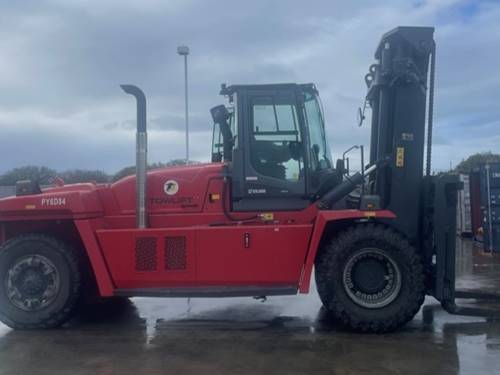
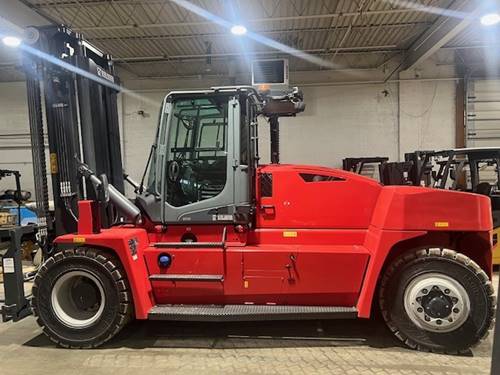
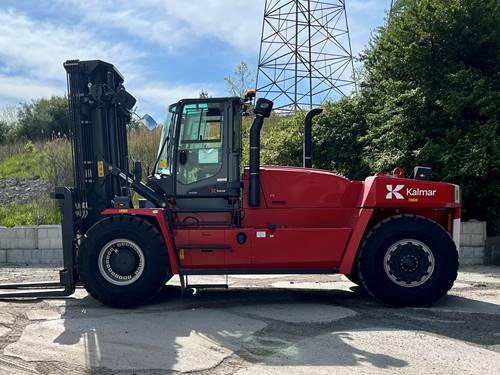
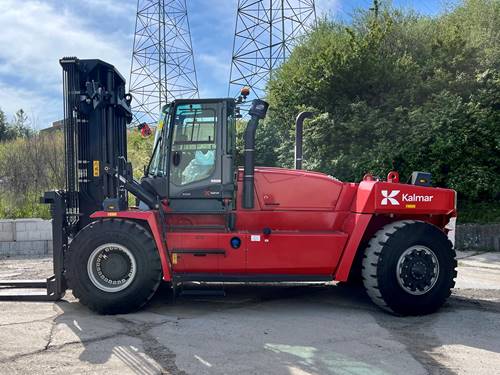
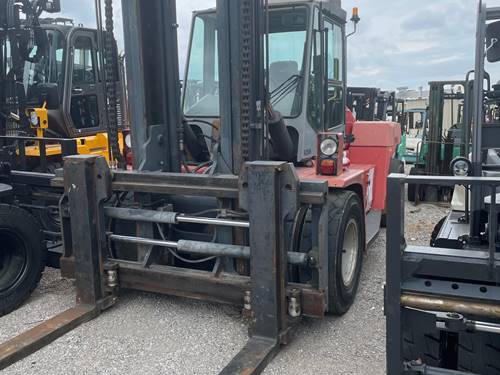
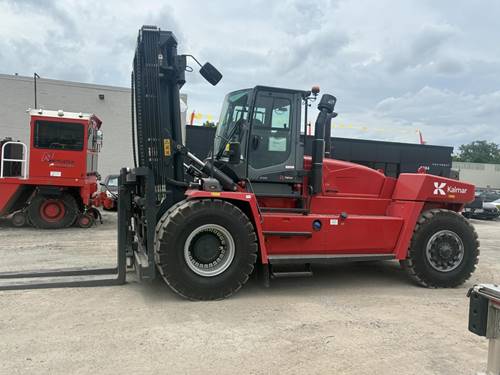
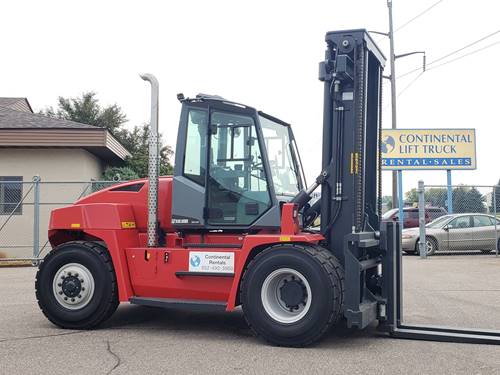
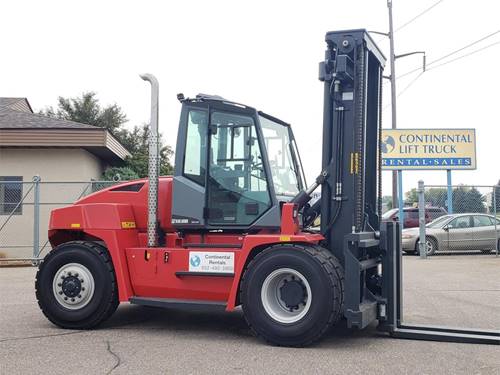
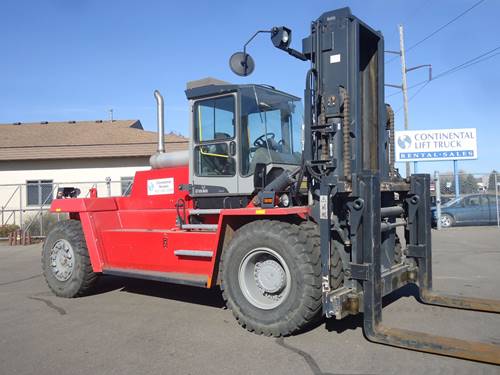
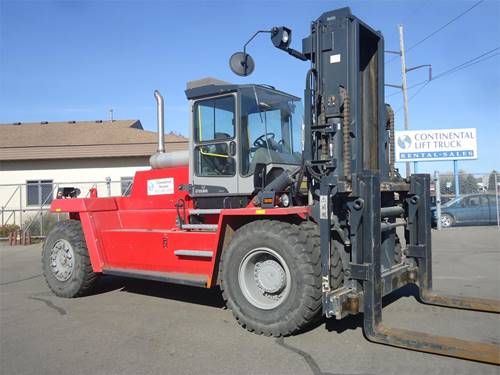
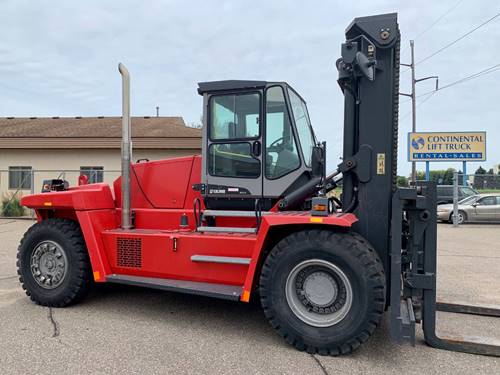
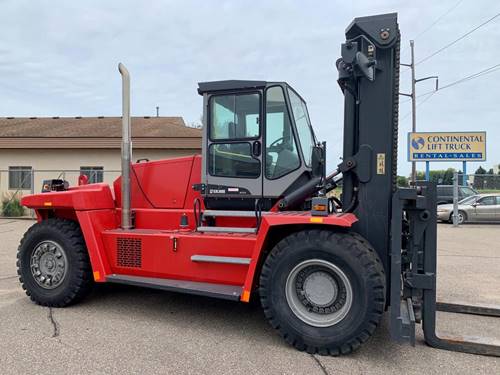

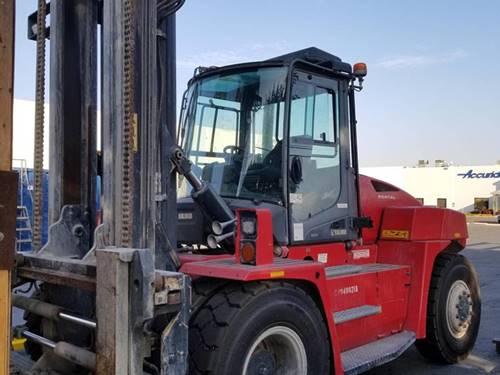
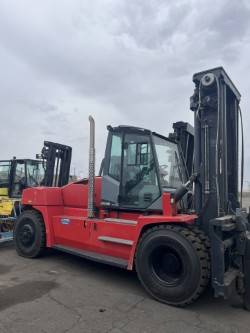
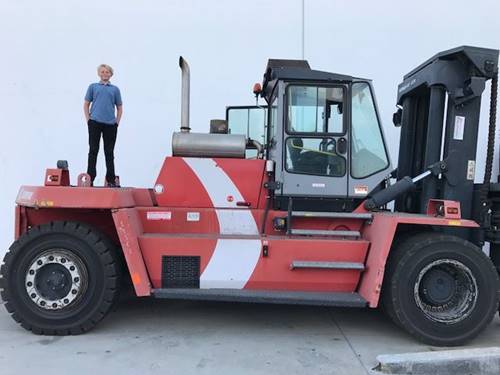
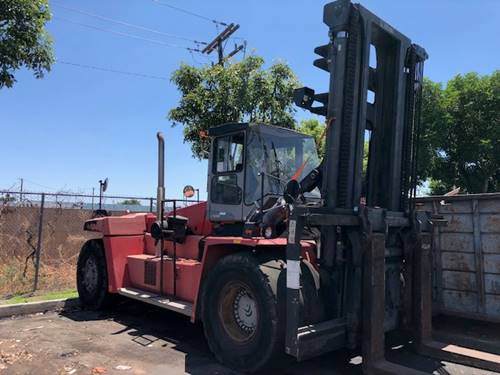
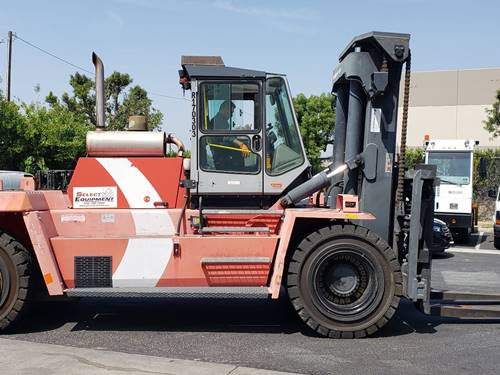
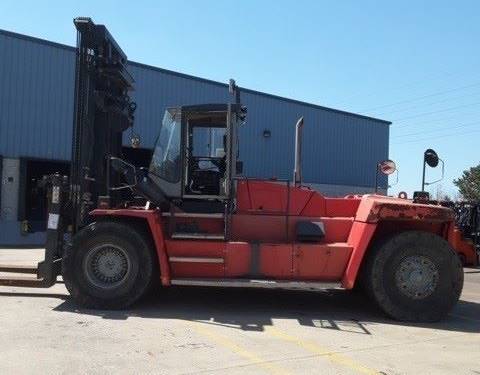
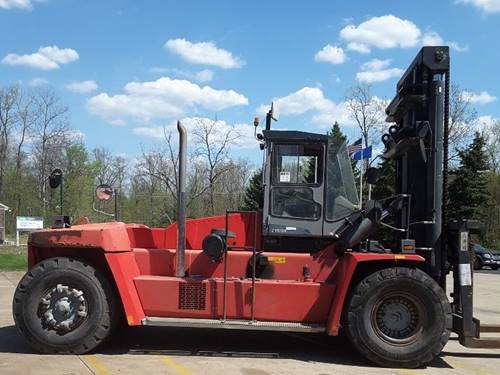
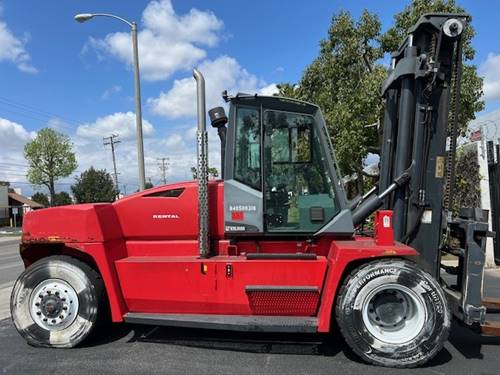
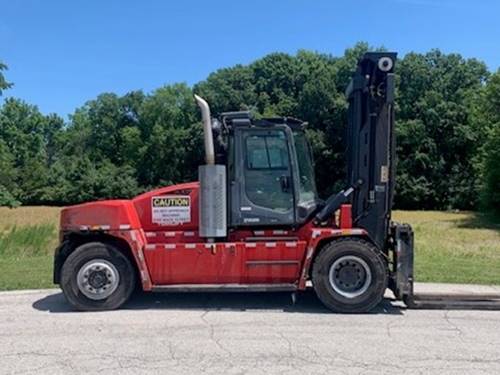
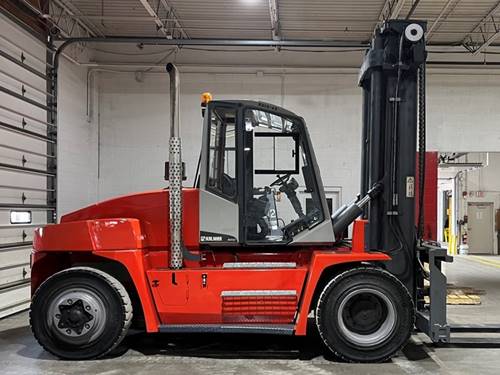
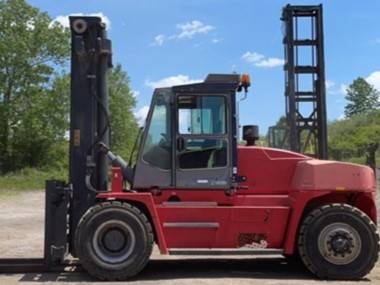
The Kalmar Pneumatic Tire 4 Wheel Sit Down Forklift is designed for excellent stability and performance in various terrains. Key features include a robust pneumatic tire design for improved traction, a powerful engine for enhanced lifting capacity, ergonomic seating for operator comfort, and advanced hydraulic systems for precise control. Additionally, it offers a wide range of lifting heights and attachments to suit various material handling needs.
This forklift typically has a lifting capacity ranging from 3,000 to 5,500 kg (6,600 to 12,100 lbs), depending on the specific model and configuration. It's important to check the manufacturer's specifications for your particular unit to ensure it meets your operational requirements.
Yes, the Kalmar Pneumatic Tire 4 Wheel Sit Down Forklift is designed for outdoor use, making it ideal for applications in construction, lumber yards, and other rugged environments. The pneumatic tires provide better grip and shock absorption on uneven surfaces compared to solid tire models, enhancing overall performance and safety during outdoor operations.
Regular maintenance for the Kalmar Pneumatic Tire 4 Wheel Sit Down Forklift includes checking and maintaining fluid levels (oil, hydraulic, and coolant), inspecting tire conditions, examining hydraulic hoses and connections, and performing routine safety checks on the lifting mechanism. It's recommended to follow the manufacturer's maintenance schedule and guidelines to ensure optimal performance and longevity of the forklift.
Your location is Columbus, OH. Modify


 Equipment
Copyright ©2026 Eliftruck.com, Inc.
TEL: +1 (800) 867-3675
FAX: +1 (208) 330-5961
INT’L: +1 (630) 759-4799

