The Ultimate Guide to Buying a Forklift: Key Considerations for Every Buyer
Whether you're managing a warehouse, a construction site, or a manufacturing facility, buying the right forklift is a critical investment. The perfect forklift not only enhances productivity but also ensures safety and operational efficiency. In this comprehensive guide, we'll walk you through the key factors to consider before making your purchase.
1. Understand Your Application
Before anything else, clearly define how you'll use the forklift. Consider:
Load capacity: What is the heaviest load you need to lift?
Lift height: How high does the forklift need to reach?
Operating environment: Will the forklift be used indoors, outdoors, or both? This will determine factors like tire type and engine power.
2. Choose the Right Type of Forklift
There are various forklift types suited for different applications:
Electric forklifts: Ideal for indoor use with lower noise and zero emissions.
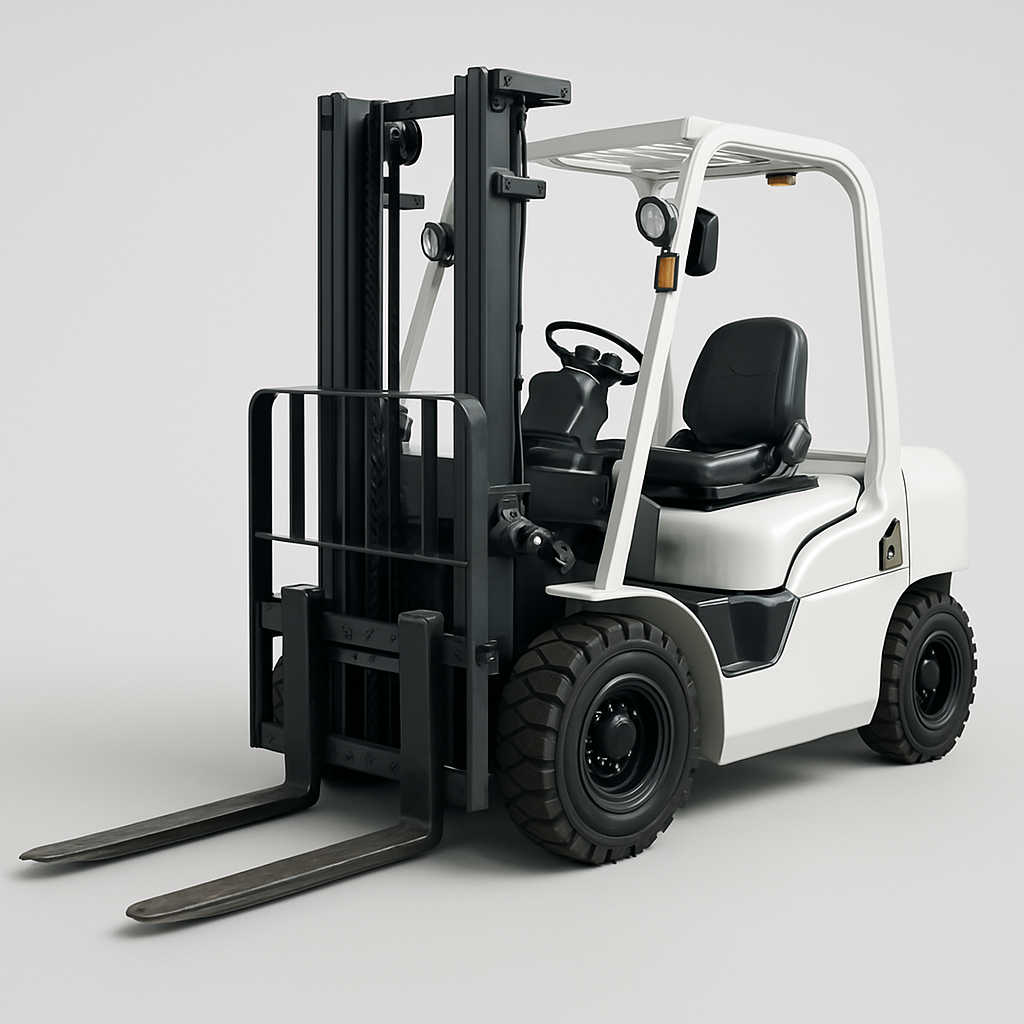
Internal Combustion (IC) forklifts: Gas, diesel, or propane-powered, suitable for outdoor use and heavier loads.
Rough terrain forklifts: Perfect for construction sites with uneven ground.
Reach trucks and order pickers: Designed for warehouse operations and high shelving.
3. Key Specifications to Evaluate
When comparing forklifts, focus on these specifications:
Load capacity: Ensure the forklift can handle your heaviest load without strain.
Lift height: Match the forklift's capabilities with your shelving or racking system.
Turning radius: Essential for tight spaces and maneuverability.
Tire type: Cushion tires for smooth indoor surfaces; pneumatic tires for rough, outdoor terrain.
4. Evaluate Additional Features
Modern forklifts come with a range of features to enhance efficiency and safety:
Attachments: Fork positioners, side shifters, and clamps can adapt the forklift for specific tasks.
Safety features: Look for backup alarms, cameras, and stability systems.
Comfort: Ergonomic seating and controls reduce operator fatigue.
5. Consider New vs. Used
Your budget will often influence whether you buy a new or used forklift:
New forklifts: Offer the latest technology, warranties, and reliability.
Used forklifts: Cost-effective but require a thorough inspection for wear and tear.
6. Factor in Maintenance and Support
A forklift is a long-term investment, so consider:
Manufacturer and dealer reputation: Choose a brand with strong customer support.
Parts availability: Ensure replacement parts are easy to find.
Service contracts: Look into maintenance packages for peace of mind.
7. Set a Budget and Stick to It
Forklifts vary widely in price, depending on type, features, and specifications. Factor in not just the upfront cost but also long-term expenses like maintenance, fuel, and operator training.
By carefully assessing these factors, you'll be well-equipped to make an informed decision that suits your operational needs. A well-chosen forklift is more than just a piece of equipment-it's a cornerstone of your productivity and success.

 Equipment
 Close
Close

