
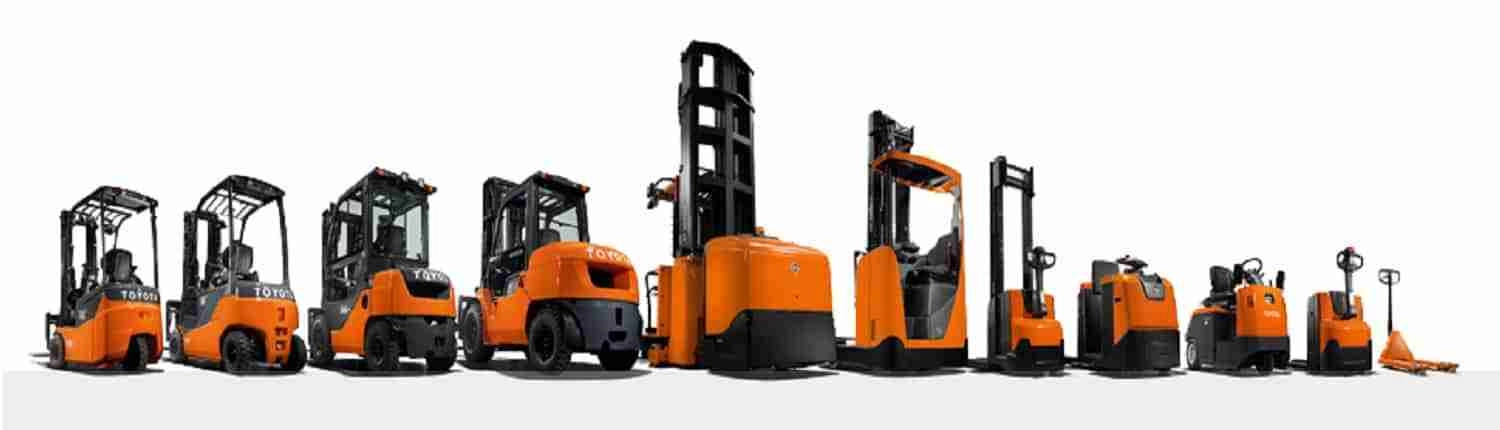
Choosing the right forklift is one of the most important equipment decisions your business can make. The wrong lift can slow down operations, increase maintenance costs, or even create safety hazards. Whether you're a warehouse manager, contractor, or business owner adding your first forklift, this guide will walk you through everything you need to know before you buy.
At Eliftruck.com, we help thousands of companies find quality new and used forklifts every year. With hundreds of makes and models available - from Toyota and Hyster to Crown, Raymond, and CAT - understanding which forklift is right for you starts with one simple question:
What do you need your forklift to do?
1. Define Your Application
Start by analyzing where and how the forklift will be used. A lift designed for narrow indoor aisles will struggle outdoors on uneven surfaces - and vice versa.
Ask yourself:
These questions form the foundation for choosing the right fuel type, tire style, and capacity.
2. Choose the Right Fuel Type
Forklifts typically run on LP gas (propane), diesel, or electric power. Each has clear advantages depending on your environment.
Electric Forklifts
LP Gas (Propane) Forklifts
Diesel Forklifts
3. Determine the Correct Capacity
Forklift capacity is measured in pounds (lbs) and varies widely - from 3,000 lbs warehouse units to 100,000+ lb heavy-duty lifts.
When determining capacity:
For example, if you frequently move 5,000-lb pallets, consider a 6,000-lb capacity forklift for extra safety margin.
4. Pick the Correct Tire Type
Forklift tires dramatically affect traction, comfort, and stability.
Cushion Tires
Pneumatic Tires
Choosing the wrong tire type can reduce productivity and damage both equipment and floors - so match tires to your work surface carefully.
5. Think About Lift Height and Mast Type
Different operations require different lift heights and mast designs:
Mast Type | Description | Typical Lift Height | Best Use |
Two-Stage (V) | Basic design, durable | Up to 130" | Outdoor, low-height racking |
Three-Stage (FV) | Common for most applications | 189-216" | General warehouse use |
Four-Stage (QFV) | Maximum height, full free lift | 240"+ | High-bay storage, container loading |
Make sure your mast clears doorways, mezzanines, and overhead obstacles.
6. Evaluate Attachments and Accessories
Attachments can expand the capabilities of your forklift - or make it highly specialized. Popular options include:
If you regularly handle unique loads, attachments can save significant time and labor.
A forklift's upfront price is only part of its true cost. Consider:
Used forklifts can be a great value, but always review service records, hour meter readings, and inspection reports.
8. New vs. Used: Which Is Right for You?
New forklifts offer the latest technology, lower maintenance needs, and full warranties - but come at a higher cost.
Used forklifts can provide the same functionality at a fraction of the price, especially when sourced from reputable dealers who fully inspect and recondition them.
At Eliftruck.com, you can browse thousands of used forklifts for sale from trusted sellers nationwide, complete with photos, specs, and service histories.
9. Safety and Operator Training
Choosing the right forklift also means keeping your team safe. Always:
Safety isn't just compliance - it's productivity and peace of mind.
10. Where to Find the Best Forklifts for Sale
Finding the right forklift shouldn't mean endless phone calls or dealer visits.
That's why Eliftruck.com was built - to connect buyers with the largest online selection of new and used forklifts, attachments, batteries, and chargers across North America.
Search by:
...and get instant access to detailed specs and pricing from verified sellers.
Final Thoughts
Choosing a forklift doesn't have to be complicated - but it does require careful planning. Define your needs, match the lift to your environment, and consider long-term operating costs. Whether you need a single electric pallet jack or a fleet of diesel yard trucks, making the right choice ensures efficiency, safety, and value for years to come.
If you're ready to start comparing forklifts, visit Eliftruck.com to browse current listings, find parts, and connect with trusted equipment dealers near you.
 Equipment
 Close
Close

Copyright ©2026 Eliftruck.com, Inc.
TEL: +1 (800) 867-3675
FAX: +1 (208) 330-5961
INT’L: +1 (630) 759-4799
